When a Smiley Face Feels All Wrong: Decoding Emoji Etiquette in Everyday Chats

Jan 14,2026
In our fast-paced digital world, emojis have become an indispensable part of how we communicate. They add flavor, emotion, and often, a much-needed shortcut to expressing ourselves without typing out a whole paragraph. From a simple "thumbs up" to an elaborate series of celebratory icons, they inject personality into our chats and bridge the gaps that plain text sometimes leaves. We use them with friends, family, and even increasingly in professional settings to soften messages or convey a quick sentiment. But here’s the thing about emojis: as much as we love them, there are those moments – those very specific, sometimes awkward moments – when a smiley face, a winking eye, or even a sympathetic tear feels completely and utterly wrong.
When a Digital Smile Just Doesn't Land Right
It’s a feeling many of us have experienced. You’re typing a message, your fingers hover over the emoji keyboard, and then you hesitate. Is this the right time for a 😂? Should I really add a 🙏 here? Sometimes, the context of a conversation simply doesn't call for the lightheartedness or casualness that emojis often bring. It's like bringing a confetti cannon to a serious meeting – fun in theory, but entirely out of place.
Think about the types of conversations where this happens. Receiving bad news, for example. If a friend texts you about a personal struggle, a health issue, or a difficult experience, sending back a "hang in there" with a 💪 or a 🥺 might feel dismissive. While the intent is often to show support, the emoji can inadvertently trivialize the gravity of their situation. What they might need is sincere words, not an icon, to feel truly heard and understood. It’s a delicate balance, and often, less is more when someone is genuinely hurting.
Another common scenario is during disagreements or sensitive discussions. When you’re trying to resolve a conflict or discuss a serious misunderstanding with someone, adding an emoji can sometimes escalate the tension rather than defuse it. A slightly sarcastic 😉 could be misread as condescending, or a casual shrug 🤷♀️ might imply indifference. In these moments, clarity and sincerity are paramount. The ambiguity of an emoji can easily lead to misunderstandings and further confusion, which is the last thing you want when you're trying to clear the air.
Navigating Formal and Professional Waters
The line between casual and professional communication has certainly blurred over the years, and emojis have started to seep into work-related chats. A quick "great job!" with a ✨ or "thanks!" with a 🙏 might be acceptable in some team chats or with close colleagues. However, there are still plenty of professional settings where emojis are best avoided. Consider an email to a potential employer, a formal client communication, or a message to a senior leader you don't know well. Adding an emoji in these contexts can undermine your professionalism and make you appear less serious or mature. It's not about being rigid, but about respecting the established norms and understanding the implicit expectations of the audience.
Even within a casual workplace, there are moments of gravity that demand a more somber tone. Announcing layoffs, discussing performance issues, or conveying a serious policy change are not the times for a celebratory 🎉 or a sympathetic 😔. The weight of the message needs to be conveyed through direct, clear language, allowing no room for misinterpretation or an unintended casual vibe. It’s about recognizing the emotional intelligence required to match your communication style to the subject matter and the relationship you have with the recipient.
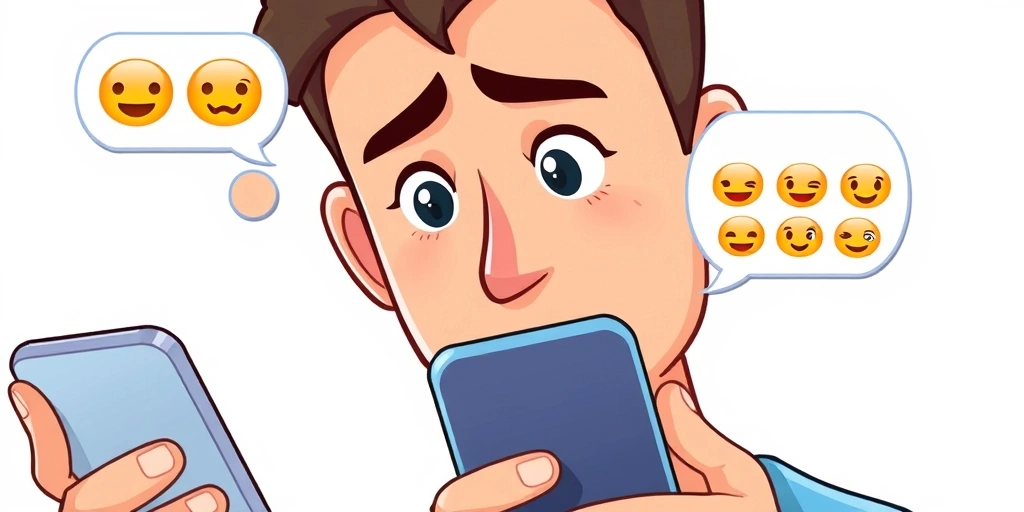
The Unspoken Rules of Digital Empathy
What it often comes down to is empathy and context. We’ve all been there: someone sends a message that’s clearly serious or even upsetting, and you want to respond appropriately. Your instinct might be to soften the blow or express a quick feeling with an emoji. But sometimes, the most empathetic response is a carefully worded sentence, a thoughtful question, or simply an acknowledgement of their feelings without any digital adornment. Emojis, while great for conveying quick emotions, sometimes lack the depth and nuance needed for truly supportive communication.
For instance, if a friend shares a significant personal achievement, a celebratory emoji is perfect. But if they share a profound personal failure or disappointment, a simple "I'm so sorry to hear that, what can I do?" is far more powerful than a sad face emoji 😢. It’s about recognizing that some moments require us to slow down, to engage with our words, and to show that we are truly present, even in a digital space. The goal isn't just to respond, but to connect authentically.
When in Doubt, Leave it Out: A Simple Guideline
This isn't to say emojis are bad – far from it! They enrich our digital lives immensely. But developing a keen sense of when and where they fit is a valuable skill. A good rule of thumb I often follow is: if you’re unsure, lean towards omitting it. It’s almost always safer to err on the side of formality or directness than to risk sending an emoji that could be misinterpreted or diminish the seriousness of a situation. Think about the potential impact. Will this emoji enhance my message or potentially detract from it?
Consider the recipient and your relationship with them. Are they someone who uses emojis liberally? Have you had serious conversations with them before where emojis were present or absent? These small cues can guide your decision. Also, reflecting on the message's content itself is crucial. Is it about a sensitive topic, a formal request, or something requiring absolute clarity? If so, plain text is often your best friend.
In fact, understanding these subtle dynamics is key to avoiding common emoji mistakes and misuse that can sometimes cause friction in online interactions. We've all seen, or perhaps even made, errors where an emoji just didn't land right, leading to awkward explanations or silent confusion.
The Silent Art of Reading the Digital Room
Learning when to hold back on emojis is part of a larger skill set: reading the digital room. Just as you'd adjust your tone and body language in an in-person conversation, you need to adjust your digital communication style. This includes not just emoji use, but also word choice, paragraph length, and even response time. The absence of an emoji can sometimes speak volumes, signaling respect for the gravity of a situation far more effectively than any icon could. It implies a seriousness and an intentionality behind your words.
It's fascinating how a seemingly innocuous icon can carry so much weight, isn't it? The cheerful yellow faces and vibrant symbols that usually make our chats so much fun can, in the wrong context, make us seem insensitive, flippant, or even a little out of touch. Mastering the art of emoji use means knowing when to deploy them for maximum effect and, perhaps more importantly, when to step back and let your words do all the talking. This discernment not only helps you communicate more effectively but also deepens your understanding of digital etiquette. If you’re ever wondering, "Did I just offend someone?" because of a misplaced emoji, it’s a good sign to review your habits and context.
Building Better Digital Habits
Ultimately, navigating the world of emojis isn't about rigid rules, but about cultivating awareness and emotional intelligence in our digital interactions. It’s about understanding that communication is a two-way street, and what we intend to convey isn't always what's received. By pausing before adding that emoji, considering the context, and putting ourselves in the shoes of the recipient, we can ensure our messages are not just delivered, but truly understood and appreciated. It's a continuous learning process, much like all forms of communication, evolving as our digital landscape changes. And remember, sometimes, the most profound message is delivered without a single icon, allowing the power of words to shine through.
📒 Related Blogs
More...Emojis: The Secret Ingredient for Chill, Low-Pressure Chats
The Secret Code in Your Group Chat: How Emoji Pairs Change Everything
The Secret Language of Emojis: How They Become Our Instant Communication Shortcuts
How Emojis Became Our Secret Weapon for Calming Awkward Chats
From Harsh to Human: How Emojis Make Workplace Feedback Feel Friendlier
Beyond Words: How Emojis Bridge Cultures in Digital Communication