The Fascinating Evolution of Emojis: From Early Kaomoji to Global Unicode

Dec 26,2025
In the vast landscape of digital communication, few elements are as universally recognized and beloved as emojis. These tiny pictograms have become indispensable tools for expressing emotion, conveying tone, and even replacing entire sentences. But how did these vibrant symbols come to be such an integral part of our daily interactions? The journey from simple text-based emoticons to the diverse, globally standardized set we use today is a fascinating tale of cultural innovation and technological evolution.
The Genesis of Digital Emotion: Kaomoji and Emoticons
Before the colorful icons we know today, the digital world relied on more rudimentary forms of emotional expression. In the West, early internet users adopted simple text-based emoticons like :) and :( to convey happiness or sadness. These were often read sideways. However, it was in Japan where a more sophisticated form emerged: kaomoji (顔文字), literally "face characters." Unlike Western emoticons, kaomoji could be read upright and were incredibly diverse, using a wider range of characters to express complex emotions, from (^_^;) for nervous sweat to (ノ◕ヮ◕)ノ*:・゚✧ for excitement. These creative textual expressions laid crucial groundwork for the visual language that was to come. 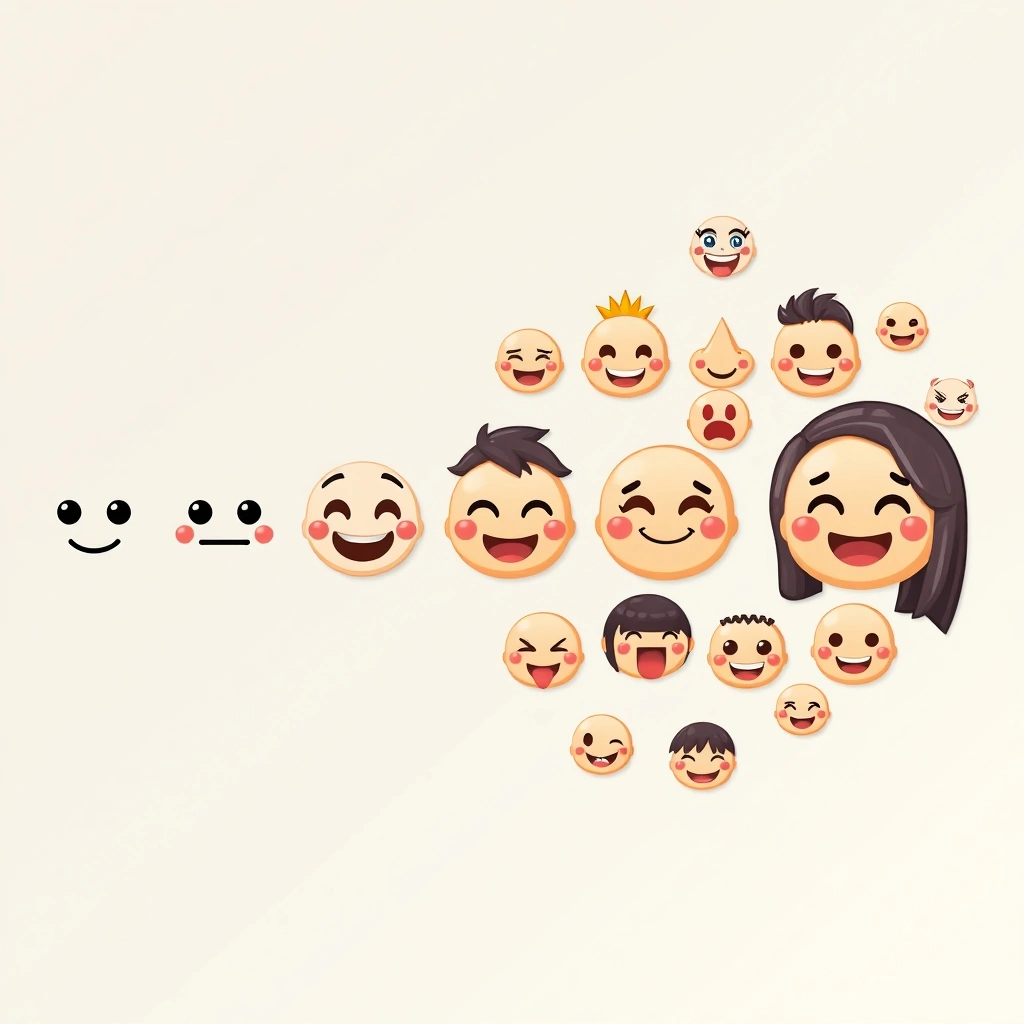
Japan's Pioneering Pictograms: The Birth of Mobile Emojis
The true birth of "emoji" as we understand them today can be traced back to Japan in the late 1990s. Shigetaka Kurita, working for NTT DoCoMo, designed the first set of 176 12x12 pixel pictograms for their i-mode mobile internet platform in 1999. His goal was to make digital communication richer and more expressive, especially on mobile phones where text input was cumbersome. These early emojis included everything from weather symbols and zodiac signs to basic faces and objects. They quickly became immensely popular in Japan, demonstrating the powerful appeal of visual shorthand in messaging.
The Unicode Revolution: Taking Emojis Global
For years, emojis remained largely a Japanese phenomenon, with different carriers having their own proprietary sets. The real game-changer for global adoption was their inclusion in the Unicode Standard. Unicode is an international standard for character encoding that allows text and symbols from virtually all languages to be consistently represented and handled by computers. Apple's decision to include an emoji keyboard in its iPhone operating system in 2008 (initially for the Japanese market, then globally) and Google's subsequent support pushed emojis into the international spotlight. By 2010, many commonly used Japanese emojis were officially encoded into Unicode, ensuring that an emoji like the 😄 Smiling Face with Open Mouth and Smiling Eyes would look similar across different devices and platforms. This standardization was critical for their widespread use and interoperability, turning them from a niche feature into a global communication phenomenon. 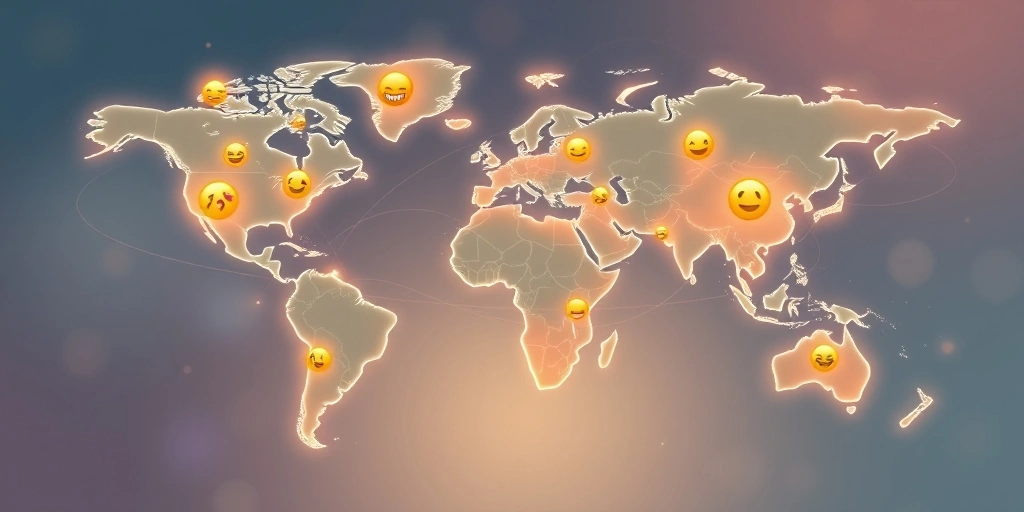
Emojis Today: A Universal Language
Today, emojis are everywhere. From casual texts to professional emails, they add warmth, humor, and clarity that plain text often lacks. The Unicode Consortium continues to add new emojis annually, reflecting cultural trends and user demand. This ongoing evolution ensures that our digital lexicon remains fresh and representative. Whether you're looking to Emoji copy a symbol for your message or explore the vast Emoji collection available, these little icons have irrevocably transformed how we connect and express ourselves across the globe. They are more than just pretty pictures; they are a testament to our innate human desire for connection and understanding in an increasingly digital world.
📒 Related Blogs
More...Beyond Just Words: How Emojis Supercharge Engagement in Online Communities
The Softening Power of Emojis: How a Simple Icon Can Defuse Tension Online
Unmasking the Hidden Meanings: A Deep Dive into Popular Emojis
Emoji Etiquette: Mastering Professional & Casual Communication
From Viral Memes to Global Movements: How Emojis Chronicle Our Digital History
Emoji Etiquette: Master the Art of Digital Communication (Avoid Faux Pas!)