Emoji Etiquette: Master the Art of Digital Communication (Avoid Faux Pas!)

Dec 10,2025
In today's fast-paced digital world, emojis have become an indispensable part of our communication. They add flair, convey emotion, and can often say more than words ever could. But just like spoken language, emojis come with their own set of rules – an unspoken etiquette that, when followed, can significantly enhance your messages. Ignore it, and you might accidentally send the wrong message or, worse, offend someone!
The Golden Rule: Know Your Audience
Before you tap that smiling face or winking eye, always consider who you're talking to. The emoji choices you make for a casual chat with friends will be vastly different from those you use in a professional email.
Professional vs. Casual: A Clear Divide
In professional settings, a good rule of thumb is to err on the side of caution. Stick to universally understood emojis that enhance clarity without being overly informal. Think about emojis like 👍 (thumbs up), ✅ (check mark), or 💡 (lightbulb) to indicate agreement, completion, or an idea. Avoid anything too expressive or ambiguous. For quick Emoji copy, resources like emojilar can be very handy. Remember, clarity and professionalism are key.
When chatting with friends or family, you have much more freedom! This is where you can let your personality shine with a broader range of emojis, from the hilarious 😂 Face with Tears of Joy to the cheeky 😉 Winking Face. Still, consider the specific relationship and context – your grandma might not appreciate the same emojis as your best friend.
Context is King: When to Use, When to Skip
Even in casual conversations, there are times when emojis are best omitted. Delivering bad news, having a serious discussion, or offering condolences are usually not moments for adding a cheerful emoji. Emojis are meant to enhance, not detract from, the gravity of a message. 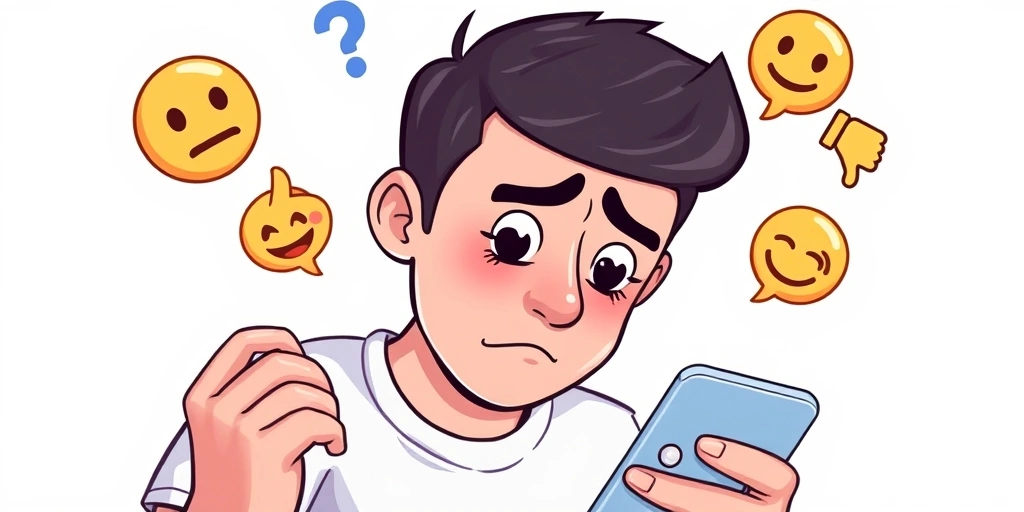
Common Emoji Faux Pas and How to Avoid Them
Some emojis have evolved in their meanings or are simply open to multiple interpretations, leading to potential misunderstandings.
Misinterpretation Madness: Emojis with Double Meanings
Take the 🙏 Folded Hands emoji, for example. While often used to mean 'thank you' or 'please' in Western cultures, it's widely recognized as a high-five gesture in others. The 🙃 Upside-Down Face can convey sarcasm, silliness, or even passive aggression depending on the user and receiver. Being aware of these nuances is crucial for effective communication. If you're unsure about an emoji's meaning, an Emoji online tool can provide clarification.
Overuse and Underuse: Finding the Right Balance
A string of five emojis after every sentence can be overwhelming and make your message appear childish or unprofessional. Conversely, using no emojis at all might make your texts seem dry or lacking warmth, especially in informal chats. The trick is to sprinkle them in thoughtfully, using one or two to add emphasis or emotion where it truly counts. 
Tips for Mastering Emoji Etiquette
- Keep it Relevant: Does the emoji add value to your message? Is it directly related to the content?
- Consider Cultural Differences: What might be acceptable in one culture could be offensive in another. A quick search can save you from an awkward moment.
- Preview Before Sending: Different devices and platforms can render emojis slightly differently. What looks great on your phone might look odd on someone else's. An Emoji collection often shows different renderings.
- When in Doubt, Leave it Out: If you're unsure how an emoji will be perceived, it's usually best to simply remove it.
Emojis are a powerful and fun way to express ourselves and connect with others in the digital age. By understanding the unwritten rules of emoji etiquette, you can ensure your messages are always clear, appropriate, and impactful. Practice makes perfect, and soon you'll be communicating like an emoji pro, leaving behind the digital faux pas and embracing the clarity and charm they can bring to your interactions. 
📒 Related Blogs
More...The Quiet Comfort of Emojis: How Tiny Icons Are Replacing Small Talk
The Secret Language of Emojis: How a Tiny Smiley Face Changes Everything You Read
How Emojis Are Reshaping Global Language & Culture: A Linguistic Deep Dive
The Quiet Language of Care: How Emojis Help Us Navigate Sensitive Conversations
The Quiet Comfort of Emoji Habits: How a Simple Icon Says 'I'm Here'
The Fascinating History of Emojis: From Kaomoji to Global Phenomenon