Emoji's Global Reach: Unpacking Diverse Cultural Interpretations of Digital Icons

Dec 11,2025
Emojis have become a universal language, transcending geographical borders and bridging communication gaps. From quick reactions to conveying complex emotions, these tiny icons are integral to our digital interactions. But is their meaning truly universal? The fascinating truth is that while some emojis are globally understood, many carry vastly different interpretations across cultures, leading to amusing, and sometimes awkward, misunderstandings.
The Cultural Kaleidoscope of Emojis
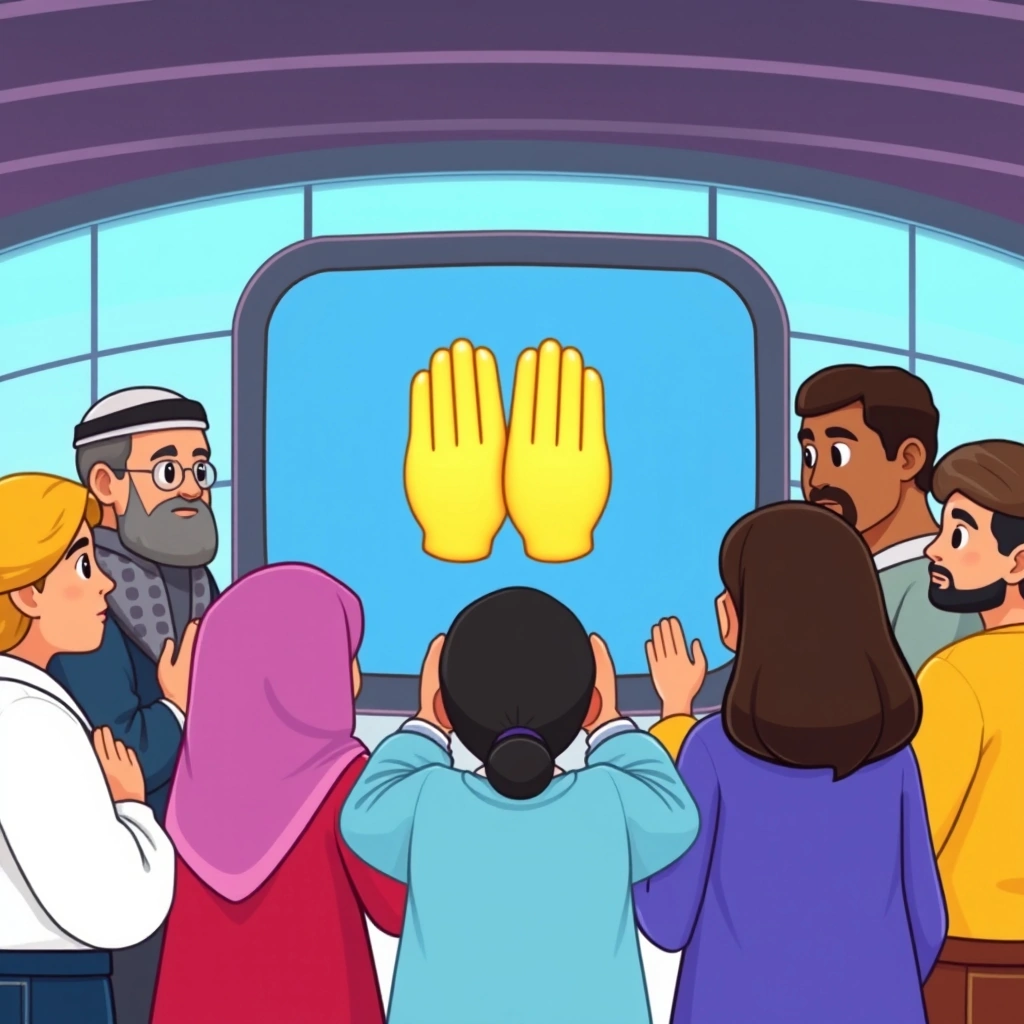
Take the Folded Hands emoji (🙏), for example. In Western cultures, it’s often used to express thanks, a high-five, or even a prayer. However, in Japan, its country of origin, it's more commonly seen as a gesture of "please" or "thank you" in a more reverent, apologetic, or grateful sense. The nuance is subtle but significant!
Another classic is the Loudly Crying Face emoji (😭). While universally representing sadness or distress, its intensity varies. In some cultures, it might signify overwhelming grief, while in others, it could simply mean "I'm so happy I'm crying with joy" or "that's hilariously sad." Context is everything, and without it, your message might land very differently!
When a Smile Isn't Just a Smile
Even seemingly straightforward emojis can be tricky. The Grinning Face With Sweat (😅) is often used for embarrassment or relief after a close call in the West. But in some Asian contexts, it can convey anxiety, awkwardness, or even a sense of being overwhelmed rather than simple relief. Similarly, the Grimacing Face (😬) can mean anything from awkwardness to nervousness, or even "bring it on!" depending on where you are.
The Clapping Hands emoji (👏) is usually a sign of applause and appreciation. However, in China, a single clap emoji can sometimes be interpreted as making love, adding a layer of humor or confusion if not understood in context. This demonstrates why understanding the cultural background of your audience is crucial when using emoji Emoji collection.
Beyond the Pixels: Why Interpretations Differ
Several factors contribute to these varying interpretations. Cultural norms and gestures play a huge role; what is polite or common in one society might be unusual or even offensive in another. Generational differences also matter, with younger users often adopting new meanings or using emojis ironically. Furthermore, the subtle rendering differences across platforms (Apple, Android, Samsung, etc.) can slightly alter an emoji's appearance, subtly changing its perceived emotion.
As emoji usage continues to grow globally, mastering their nuances becomes increasingly important for effective cross-cultural communication. It’s not just about selecting a pretty icon; it’s about ensuring your message resonates as intended. For a broad range of options, check out Emoji copy.
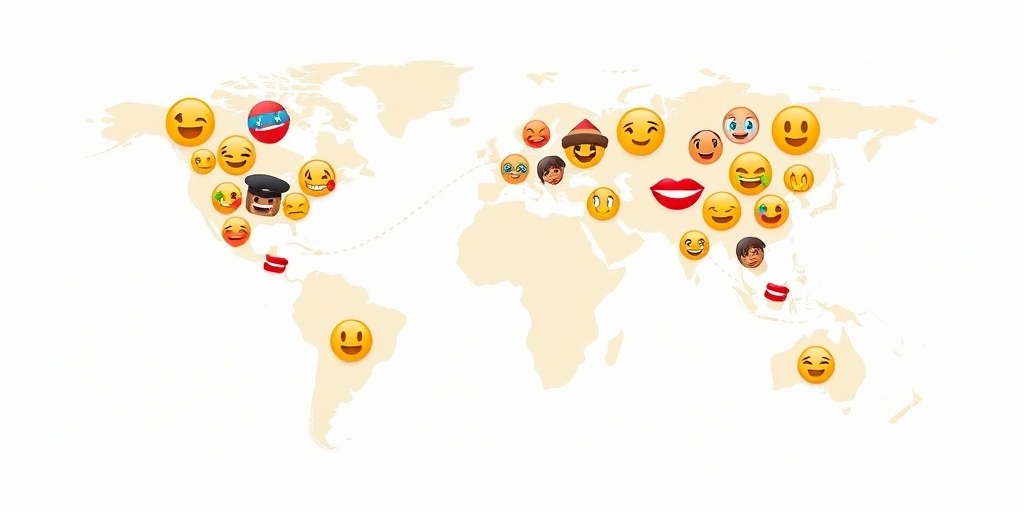
Understanding these cultural subtleties allows us to communicate more effectively and avoid potential misinterpretations. It highlights the beauty and complexity of human interaction, even in the digital realm. So, the next time you send an emoji, take a moment to consider its potential journey across different cultural landscapes!
📒 Related Blogs
More...Unmasking the Hidden Meanings: A Deep Dive into Popular Emojis
Emoji Fails: Hilarious Misinterpretations & Communication Blunders
The Secret Power of Emojis: How a Tiny Icon Can Change Your Message's Meaning
The Psychology of Emojis: Decoding Your Digital Emotions
How Emojis Became Our Secret Weapon Against Workplace Misunderstandings
The Hidden Power of Emojis: How They Shape Reactions on Social Media