The Secret Power of Emojis: How a Tiny Icon Can Change Your Message's Meaning

Feb 09,2026
You know that feeling. You type out a quick comment on a friend's post, hit send, and then… a tiny knot forms in your stomach. Did that come across the way I meant it? Without the context of your voice or your face, words on a screen are dangerously open to interpretation. This is where our tiny, colorful saviors come in. On platforms built for speed—Twitter threads, Instagram captions, TikTok comments—emojis don't just decorate our words. They frame them. They build the emotional stage upon which our opinion performs.
Think about the last viral debate you saw. Someone posts a strong opinion. The first reply is just "Interesting." That's it. But now, imagine that reply with two different emojis: "Interesting 🤔" versus "Interesting 😒." The first suggests genuine curiosity and thought. The second drips with dismissive sarcasm. The core text is identical, but the entire perceived intent flips. The emoji acts as the director, telling the audience how to feel about the line.
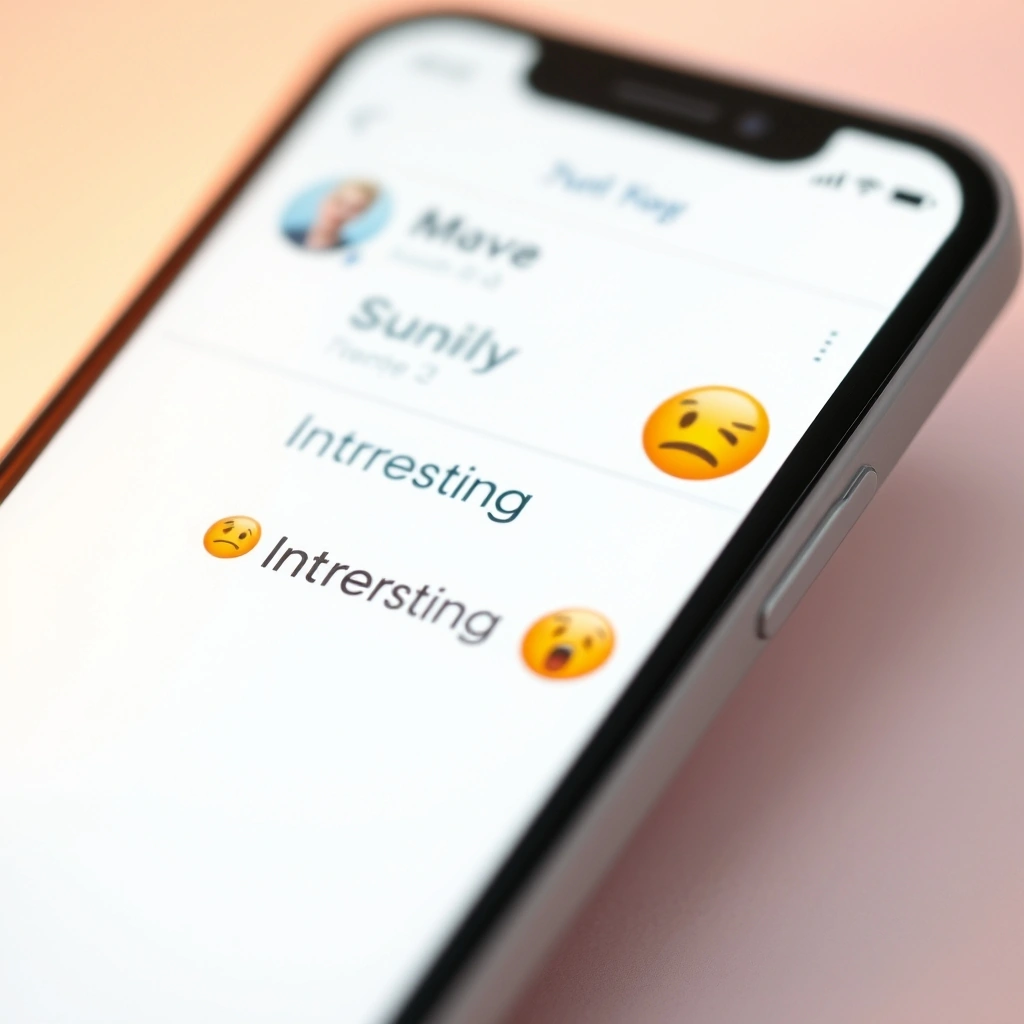
This framing power is everything in the fast-paced world of short-form content. We're not writing essays; we're throwing conversational pebbles and hoping they create the right ripples. An emoji is the weight we attach to that pebble. It signals tone, clarifies intent, and, crucially, manages social risk. Adding a laughing face 😂 to a slightly edgy joke tells everyone, "This is in fun." A heart ❤️ at the end of a supportive comment amplifies the warmth. They are our digital body language, and on feeds that scroll by in seconds, that body language is often the only thing people have time to read.
This goes beyond just positive or negative. Emojis create nuanced sub-text. Consider the difference between "This is fine." and "This is fine. 🔥" The fire emoji, in certain contexts, can ironically signal a disaster—a meme-worthy acceptance of chaos. Or take the simple skull 💀, now widely used to mean "I'm dead from laughter." These aren't just decorations; they're cultural shorthand, a way to embed layers of meaning and community understanding into a handful of pixels. When you use them, you're not just expressing an opinion; you're signaling which internet corner you're speaking from.
The Amplifier and the Muffler
Emojis function as both megaphones and mufflers for our messages. A strong opinion paired with a series of angry faces 😠😤 will amplify the confrontational energy, likely fueling a heated thread. The same opinion, followed by a weary face 😮💨 or a shrug 🤷, can completely change the delivery—it frames the statement as exhausted resignation rather than an aggressive attack. The opinion itself hasn't changed, but its potential to spark conflict has been dramatically altered by its emotional frame.
This is a subtle skill we're all learning in real-time. We see how others use emojis to soften blows or add punchlines, and we incorporate that into our own digital dialect. It's a fascinating evolution of communication, where the punctuation has become as expressive as the prose. For more on how these tiny icons drive the reactions on your feed, you might find this look at emojis and social media reactions really interesting.
When the Frame is Missing
Perhaps the most telling evidence of an emoji's power is the anxiety we feel when they're absent. The plain-text message from a partner that reads "Okay." The comment on your work that just says "Noted." Our minds race to fill in the emotional blank. Are they mad? Busy? Indifferent? The lack of an expected emoji—a heart, a thumbs-up, a smile—becomes a signal in itself, often a negative one. In a world where emojis provide crucial emotional context, choosing to omit them is a deliberate act. It can make a message feel colder, more formal, or more serious.
This is why, on platforms where every character counts and first impressions are instantaneous, mastering the art of the emoji frame isn't trivial. It's a core part of digital literacy. It's about understanding that your opinion doesn't exist in a vacuum. It lands in a crowded, noisy space where it will be scanned, interpreted, and reacted to in milliseconds. The right emoji is like putting the right filter on a photo—it sets the mood, highlights what's important, and ensures the viewer sees what you intended them to see.
So next time you're about to post a hot take or a quick reply, pause for a second. Look at your words alone. Now ask yourself: what's the emotional frame? What's the tone? Is there a tiny, powerful icon that can build that frame for you, ensuring your message is perceived not just heard? That's the secret power we all hold at our fingertips. It’s incredible how much a single symbol can do to shape a conversation, something we explore further in topics like how emojis build community engagement. The conversation around emojis and social dynamics is always evolving, and you can dive deeper into it in our emoji & social media blog category.
📒 Related Blogs
More...The Psychology of Emojis: What Your Favorite Icons Reveal About You
Emoji Magic: Why a Simple Icon Beats a Thousand Words in Casual Conversation
When Emojis Cause Confusion: How Group Chats Can Twist Your Intent
Beyond the Text: How Emojis Add Intention to Your Short Messages
Emojis: The Universal Language Breaking Down Communication Barriers