Stop Misunderstandings: How Emojis Make Your Team Chats Crystal Clear & Boost Connection

Jan 08,2026
Ever found yourself staring at a message from a colleague, wondering what on earth they actually meant? Was it a joke? Was it serious? Are they annoyed? In today’s fast-paced digital workplaces, where team chats often replace face-to-face conversations, this kind of ambiguity is a common frustration. Text-based communication, for all its efficiency, strips away the nuances of body language and tone of voice, leaving plenty of room for misinterpretation. That's where a little bit of emoji magic comes in.
For a long time, there was a quiet, unspoken rule: emojis were for personal chats, not for professional correspondence. But the world of work is evolving, and so are our communication norms. What once might have seemed unprofessional is now, in many circles, becoming a vital tool for clarity and connection. Emojis aren't just cute little symbols; they're powerful carriers of context, emotion, and intent. They help us bridge the gap between spoken word and written text, ensuring our messages land exactly as intended.
Bringing Tone to Text: The Emoji Advantage
Think about it. A simple "Okay." can be read in so many ways. Is it enthusiastic agreement, reluctant compliance, or frustrated resignation? Add a 🙂 and suddenly it's a friendly affirmation. Add a 👍 and it's clear approval. Add an 😬 and it implies "Okay, but with a slight challenge." These tiny additions completely transform the perceived meaning of a message, preventing unnecessary back-and-forth clarifications and awkward misunderstandings.
In a professional setting, where time is precious and clarity is paramount, this isn't just a nicety; it's an operational advantage. Team members can convey enthusiasm for a new project idea 🙌, acknowledge a task with a confident nod 💪, or even express lightheartedness in a stressful situation with a bit of humor 😂, all without writing lengthy explanations. It makes communication smoother, faster, and much less prone to error.
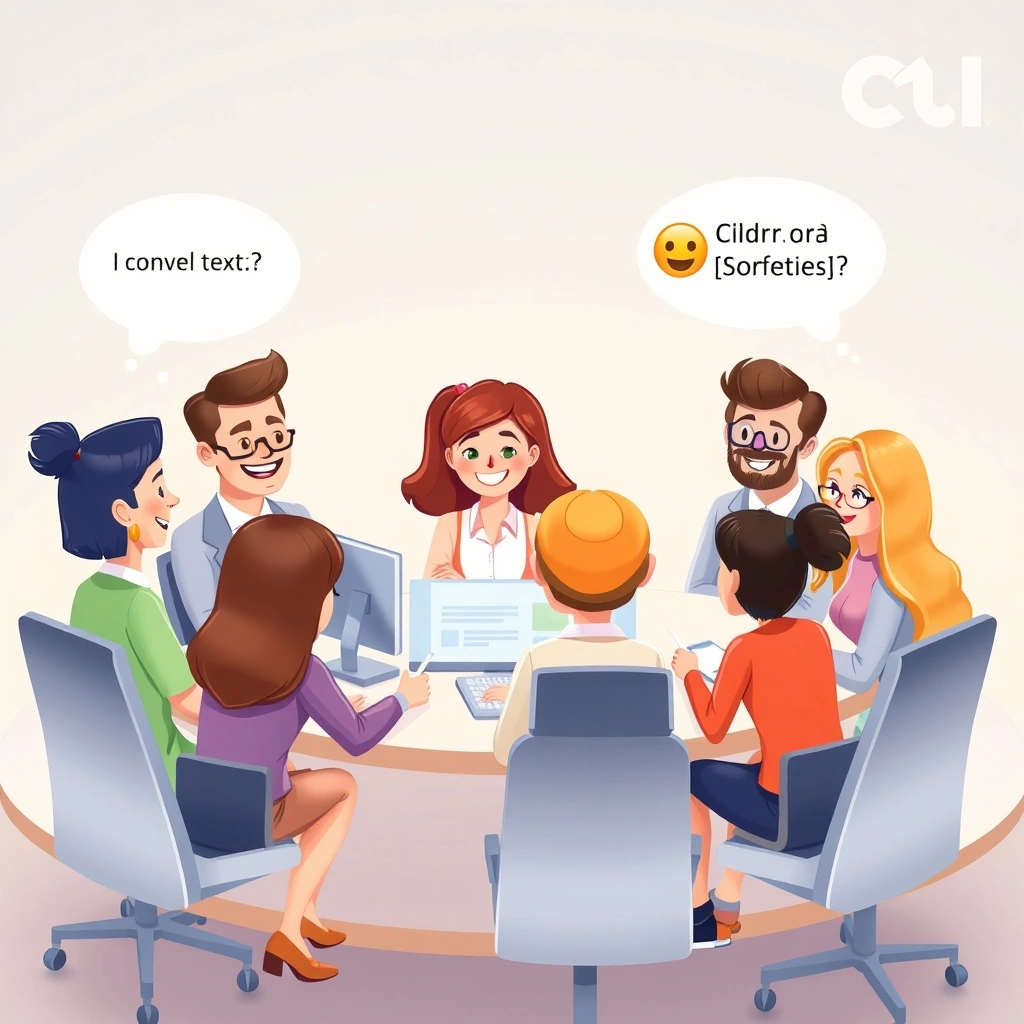
Navigating Tricky Waters: Sarcasm and Subtlety
One of the biggest culprits of workplace misunderstandings is sarcasm. What's hilariously obvious in person can fall completely flat, or worse, be deeply offensive, when written down. Imagine typing, "Great idea, Jim, really cutting-edge work!" without any indication of tone. Jim might either feel genuinely praised or incredibly insulted, depending on your relationship and his interpretation. A quick 😉 instantly signals the playful, sarcastic intent, letting Jim know you're just teasing or being ironic, and not actually mocking his efforts. It saves everyone a lot of discomfort and potentially damaged relationships.
Beyond sarcasm, emojis help with other subtleties too. A gentle reminder about a deadline might feel pushy without a softening touch. Adding a 🙏 or a friendly wave 👋 can make it feel collaborative rather than demanding. It's about maintaining a human touch in digital interactions, reminding us that there's a person with feelings on the other end of the screen. You can explore more about how emojis prevent misinterpretations in professional contexts by checking out this article: Stop Misunderstandings: How Emojis Make Professional Messaging Crystal Clear.
Building Connection and Culture
Beyond just preventing misunderstandings, emojis play a significant role in building a more positive and connected team culture. When colleagues use emojis appropriately, it can foster a sense of approachability and warmth. It helps to humanize remote interactions and makes communication feel less transactional and more relational. A simple reaction to a message – a 🎉 for a success, a empathetic 😔 for a challenge – acknowledges the sender and reinforces team cohesion. It shows that you're not just reading words; you're connecting with the sentiment behind them.
This isn't about turning professional chats into casual banter, but about injecting just enough personality and emotional cues to make communication clearer and more engaging. It helps build rapport, especially crucial in hybrid or fully remote teams where water cooler chats are rare. Emojis can be a quick, effective way to show support, share a laugh, or simply let someone know you're listening and understanding.

Finding the Balance: Professionalism and Context
Of course, like any powerful tool, emojis come with a need for discretion and context. It’s not about flooding every message with smiling faces and hearts. The key is balance and understanding your audience and company culture. What's perfectly acceptable in a casual team brainstorming chat might be out of place in a formal client report or an official HR announcement.
The best practice is to observe your team's existing communication style. If your colleagues use them, feel free to join in. Start with subtle, clarifying emojis, like a simple 👍 or 🙂. Over time, you'll develop an intuition for what works and what doesn't within your specific professional environment. The goal isn't to replace words, but to enhance them, to add that missing layer of non-verbal communication that makes all the difference. For more insights on leveraging emojis effectively in the workplace, visit our category page on Emoji & Work / Professional.
A Clearer, More Connected Workplace
In conclusion, the days of emojis being strictly relegated to personal use are rapidly fading, especially in dynamic team environments. They offer an invaluable way to manage tone, prevent misinterpretations, and build stronger connections in our professional digital interactions. By thoughtfully integrating them into our work chats, we can ensure our messages are not only understood but also felt, leading to a more efficient, empathetic, and enjoyable workplace for everyone.
📒 Related Blogs
More...The Instant Feeling: How Emojis Spark Our Quickest Emotional Reactions
From Emoticons to Icons: The Fascinating Evolution of Emojis and Digital Expression
The Secret Code in Your Group Chat: How Emoji Pairs Change Everything
The Tiny Emoji That Makes Your Work Emails Feel Warmer
Rhythm and Reaction: How Emojis Steer Fast-Paced Conversations
The Journey of Emojis: From Early Kaomoji to Global Unicode Standards