The Secret Language of Emojis: Decoding Their Meanings Across Cultures

Dec 20,2025
Beyond the Smile: Emojis as a Global Dialect
In our increasingly digital world, emojis have become an indispensable part of how we communicate. From a simple 😄 to a complex combination of symbols, these tiny icons add layers of emotion, humor, and nuance to our messages. They promise a universal language, transcending text barriers, but is that truly the case? While many emojis are globally understood, a fascinating secret lies beneath their surface: their meanings often transform across different cultures. Understanding this 'secret language' is crucial for effective and respectful digital interaction.
The Global Appeal and Local Nuances of Emoji Meanings
Emojis might seem universal, but cultural background profoundly impacts their interpretation. What's a sign of approval in one country could be an insult in another, making cross-cultural conversations a minefield if you're not careful. Exploring a comprehensive emoji collection can reveal the sheer diversity available, but knowing how they are perceived is key.
When a Thumbs Up Isn't Always Good
Take the humble 👍 Thumbs Up emoji. In most Western countries, it signifies approval, agreement, or a job well done. It's a quick 'okay' or 'good.' However, venture into parts of the Middle East, West Africa, and South America, and this seemingly innocent gesture can be highly offensive, akin to raising a middle finger. Imagine the potential misunderstandings in a business chat! 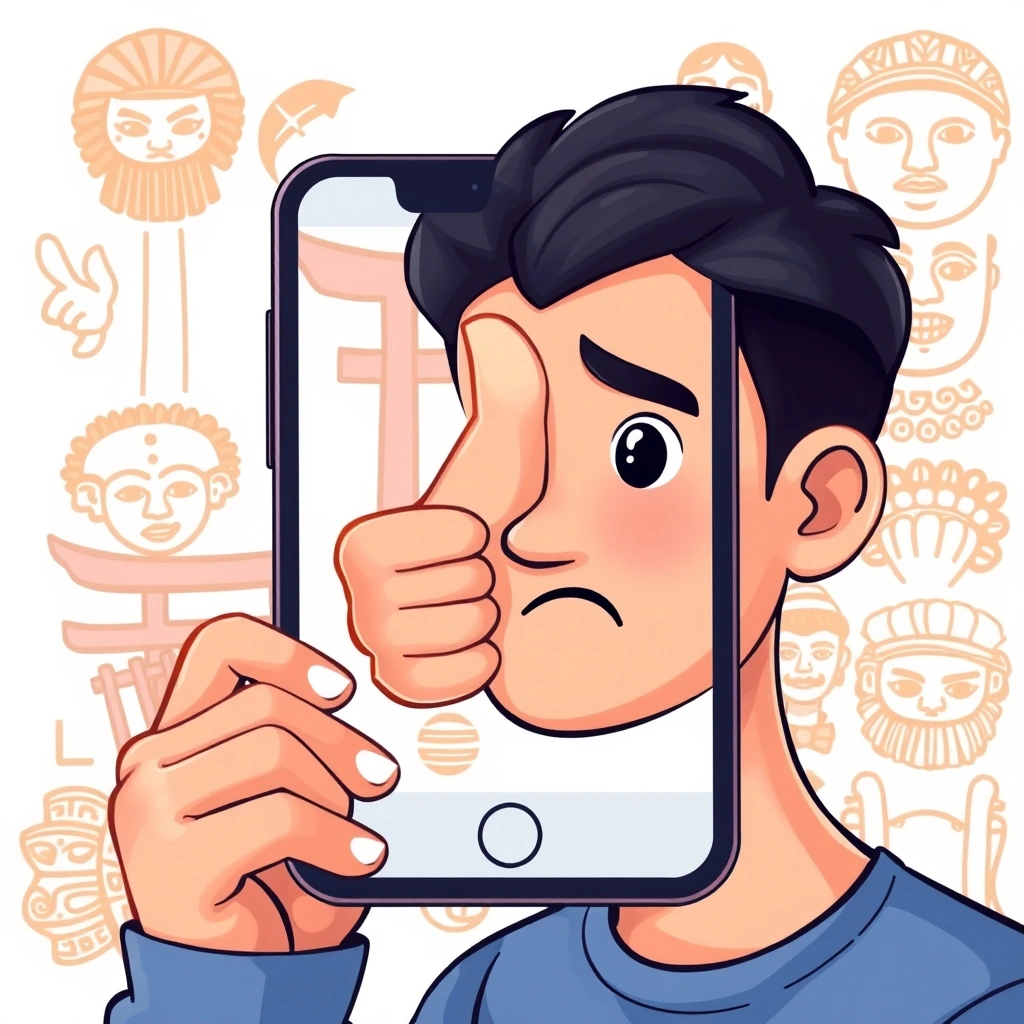
The Waving Hand: Hello or Goodbye?
Another common emoji, the 👋 Waving Hand, often represents 'hello' or 'goodbye.' Its meaning seems straightforward. Yet, in some cultures, the specific motion of a wave can have different implications or even be considered dismissive. Context, as always, is king when deciding whether to wave 'hello' or signal 'farewell.'
Tears of Joy and Hidden Depths
The 😂 Face with Tears of Joy is often cited as one of the most popular emojis globally, universally representing laughter so intense it brings tears. While its primary meaning is consistent, its usage can vary. Some cultures might use it more for lighthearted mockery, while others strictly for genuine amusement. It's a reminder that even widely accepted emojis can carry subtle cultural baggage.
Navigating the Emoji Landscape: Tips for Cross-Cultural Communication
So, how do you ensure your emoji usage is always understood as intended? Firstly, always consider your audience. If you're communicating with someone from a different cultural background, it's often safer to stick to more universally accepted emojis like hearts ❤️ or simple smiling faces 😊, or even just words. Secondly, observe! Pay attention to how people from that culture use emojis. You can always copy emoji from their examples. Thirdly, don't shy away from asking if you're unsure about a specific emoji's meaning. For instance, the 💩 Poo emoji, while humorous, might be considered inappropriate in formal settings across many cultures, even if its meaning is clear.
Emojis are a vibrant, evolving part of our digital lives, offering incredible tools for expression. Understanding their 'secret language'—the nuances of cultural interpretation—enables us to connect more genuinely and avoid unintended faux pas. As you explore and paste emoji into your conversations, remember the rich tapestry of meanings they carry. 
📒 Related Blogs
More...The Little Smiles That Make a Big Difference: Emojis and Casual Fun
The Secret Life of Emojis: How Our Digital Heartbeats Mirror a Changing World
The Secret to Lighter Chats: How Emojis Make Fast-Paced Conversations Effortless
Beyond Words: The Subtle Power of Emojis in Navigating Sensitive Conversations
Emoji Magic: How Tiny Icons Lighten Up Your Everyday Chats!
Emoji Etiquette: Mastering Professional & Casual Communication