Emoji Magic: How They Erase Doubt & Build Stronger Bonds in Every Chat!

Dec 30,2025
In our increasingly digital world, communication has become a tapestry woven with text messages, instant chats, and social media comments. While incredibly convenient, there’s an inherent challenge: the loss of non-verbal cues. That subtle nod, the knowing glance, the slight smirk – all these crucial pieces of information go missing, leaving fertile ground for misunderstandings. This is especially true in repeated conversations, where we might *think* we know someone's tone, but without those visual cues, uncertainty can still creep in, leading to frustration or even damaged relationships.
But fear not, emoji lovers! Those vibrant little icons we sprinkle throughout our messages aren't just decorative; they are powerful tools, acting as digital bridges that connect our unspoken intentions with how our words are received. They are the secret ingredient to reducing that frustrating ambiguity and making sure our repeated conversations stay on track, clear, and genuinely connected. Emojis, in essence, help us make quick, accurate judgments about the tone and intent behind the words we read.
The Silent Language: How Emojis Bridge the Interpretation Gap
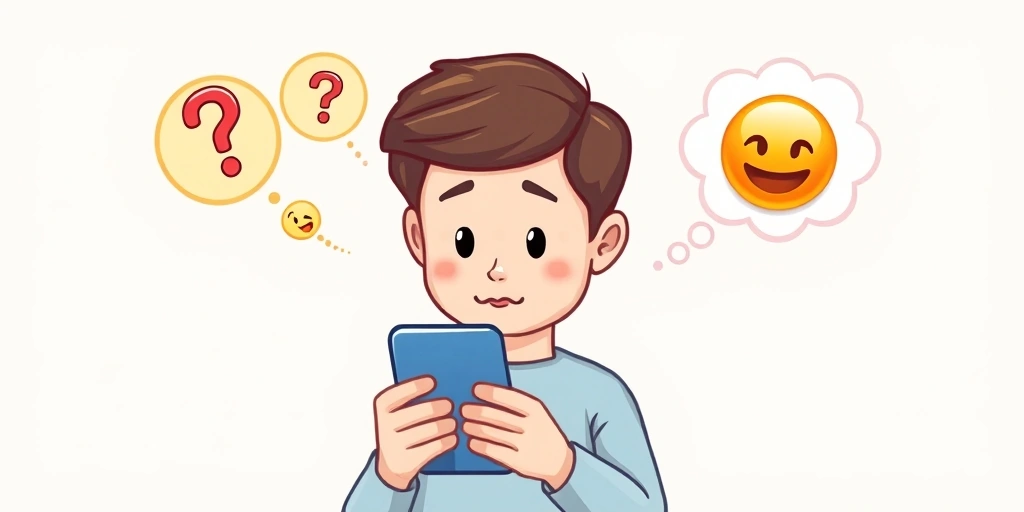
Think about it: when you're texting a friend you've chatted with hundreds of times, you develop a sort of shorthand. You know their quirks, their humor, their usual way of speaking. Yet, even with that familiarity, a simple phrase like "Sure, whatever" can be read in a dozen different ways. Is it playful? Annoyed? Indifferent? Without an emoji, you’re left guessing, forcing your brain to fill in the blanks, often leaning on your own current mood or past experiences with similar phrases.
This is where emojis shine. A quick 👍 after "Sure, whatever" instantly clarifies: "I'm agreeable!" A 🙄 changes it to: "I'm a bit annoyed but going along." A 😂 signals playful sarcasm. These tiny images pack an enormous punch, providing immediate emotional context that plain text simply can't convey. They act as rapid visual cues, short-circuiting the brain's tendency to overthink and allowing for a much quicker, more accurate interpretation of the message's true sentiment. It's like having a miniature non-verbal conversation embedded right within your text.
Building a Shared Understanding, One Emoji at a Time
The real magic happens in *repeated* conversations. Over time, as we exchange messages with friends, family, or colleagues, we start to develop a unique emoji lexicon. We learn that Jenny always uses a specific emoji when she's genuinely excited, or that Mark uses another when he's being ironic. This consistent application of emojis in ongoing dialogues helps to solidify a shared understanding between communicators.
This isn't just anecdotal; there's a strong psychological basis for it. Humans are wired to seek clarity and reduce cognitive load. When an emoji provides a clear emotional signal, it reduces the mental effort required to interpret a message. In long-term interactions, this repeated clarity builds trust and comfort, making future conversations smoother and less prone to misinterpretation. We begin to *expect* these visual cues, and their absence can even feel jarring.
It's fascinating how these small icons can secretly shape what others think of you, isn't it? They provide a window into your personality, your mood, and your communicative style. To delve deeper into this phenomenon, you might be interested in exploring Beyond Words: How Emojis Secretly Shape What Others Think of You.
Reducing Ambiguity and Preventing Misunderstandings
One of the primary goals of any communication is to be understood. In digital exchanges, the lack of immediate feedback loops (like seeing a confused look on someone's face) means that misunderstandings can fester. Emojis serve as an excellent preventative measure. They allow the sender to pre-empt potential misinterpretations by adding a layer of emotional context.
Consider a work message: "I need that report by end of day." Sounds urgent, maybe even demanding. Add a slightly smiling face: "I need that report by end of day :)" – and suddenly, it feels less like a command and more like a friendly reminder. The intent shifts from potentially aggressive to politely firm. In a series of ongoing interactions, this consistent clarity helps maintain positive professional relationships, preventing small miscommunications from escalating into larger issues.
The Psychology of Quick Judgments and Emoji's Role
Our brains are incredibly efficient at making quick judgments. When we receive information, especially in a fast-paced environment like digital chat, we immediately try to categorize it, assign meaning, and predict outcomes. Without emojis, our brains often rely on heuristics – mental shortcuts – which can sometimes lead us astray. If someone frequently sends curt messages without any warmth, we might quickly label them as "unfriendly" or "demanding," even if that's not their true intention.
Emojis act as vital data points in this rapid judgment process. They provide immediate, universally recognized (mostly!) emotional information that helps our brains form a more nuanced and accurate picture. This is especially true in establishing and maintaining rapport over time. A consistent pattern of using positive or empathetic emojis can reinforce a person's perceived kindness or approachability, even if their written words might occasionally be terse due to time constraints.
Understanding the secret language of emojis and how they instantly decode our feelings is crucial. If you're curious about this fascinating aspect of digital psychology, take a look at The Secret Language of Emojis: How They Instantly Decode Our Feelings.
Fostering Connection and Emotional Resonance
Beyond just clarity, emojis play a significant role in fostering emotional resonance. They make conversations feel more human, more personal. In repeated interactions, this leads to a stronger sense of connection and rapport. When you see a friend use their signature 😂 or a familiar heart emoji, it reinforces your bond, reminding you of shared jokes and affection.
This emotional anchoring is critical for maintaining healthy digital relationships. It transforms cold text into warm, expressive exchanges. It allows us to convey empathy, joy, sympathy, or even mild annoyance in a way that plain text struggles to achieve, creating a richer, more engaging conversational experience over time. They are, in essence, tiny emotional timestamps in our ongoing digital narratives.
For more insights into the broader psychological impact of these tiny icons, exploring the field of Emoji Psychology can offer a wealth of information.
So, the next time you're crafting a message, especially in an ongoing chat with someone important, consider adding that little emoji. It's not just a cute adornment; it's a powerful tool that consciously – and often subconsciously – reduces uncertainty, clarifies your intentions, and helps build a stronger, more connected digital dialogue. Emojis are truly indispensable in navigating the nuanced landscape of modern communication, ensuring our words always land exactly where we intend them to.
📒 Related Blogs
More...Spark Joy! How Emojis Turn Relaxed Chats into Playful Adventures
Emoji Fails: When Your Public Reply Gets Lost in Translation
The Subtle Power of Emojis: Bridging Uncomfortable Silences in Our Digital Chats
The Unseen Power: How Emojis Secretly Shape What Others Think of You
The Unspoken Rhythm: How Emojis Guide the Flow of Our Online Chats
5 Creative Ways Emojis Boost Your Brand's Social Media Engagement