Beyond Words: How Emojis Secretly Shape What Others Think of You

Dec 28,2025
In our increasingly digital world, where much of our communication happens through screens, the subtle nuances of human interaction can easily get lost. We type, we send, and we often miss the facial expressions, vocal inflections, and body language that would typically convey so much. This is where emojis step in, becoming much more than mere decorative additions to our messages. From a psychological perspective, these tiny visual cues wield significant power, silently influencing how others perceive us and the messages we send.
Think about it: a simple text message can be interpreted in wildly different ways depending on whether it ends with a period, an exclamation mark, or a winking face. Emojis don't just add flair; they actively shape the social perception of both the sender and the content, acting as a crucial bridge for non-verbal communication in a text-based medium.
The Silent Language: Emojis as Non-Verbal Cues
Humans are inherently social creatures, hardwired to seek out and interpret non-verbal cues. In face-to-face interactions, our brains rapidly process smiles, frowns, gestures, and tone of voice to understand context and intent. When these cues are absent in digital communication, our minds look for substitutes. Emojis serve precisely this function, offering a visual shorthand that approximates emotional expressions and contextual information.
These pictorial symbols help compensate for the lack of traditional non-verbal signals. They can clarify sarcasm, soften a critique, or amplify enthusiasm, guiding the recipient towards a particular interpretation of the written words. Without them, a message might feel cold, ambiguous, or even aggressive. This rich area of study falls under the broader umbrella of understanding the psychology of emojis, revealing their deep impact on our daily interactions.
Modulating Message Interpretation
One of the most profound psychological impacts of emojis is their ability to modulate how a message is interpreted. Consider the phrase, "Okay, fine." On its own, this could sound dismissive, angry, or reluctantly agreeable. Add a grinning emoji 😊, and it becomes lighthearted and accepting. Append a pensive face 😔, and it conveys resignation or disappointment. The emoji doesn't change the words, but it fundamentally alters the perceived emotional state of the sender and, consequently, the entire tone of the message.
This modulation is critical in preventing misunderstandings, fostering clarity, and ensuring that the intended emotional context is successfully transmitted. Without this visual aid, recipients might project their own anxieties or assumptions onto a message, leading to miscommunication and potential interpersonal friction.
Shaping Impressions: Warmth and Competence
Beyond individual message interpretation, emojis play a significant role in shaping the overall impression we form of others online. Research suggests that the strategic use of emojis can influence perceptions of a sender's warmth, friendliness, and even their competence.
The Perceived Warmth Advantage
When someone uses positive emojis like smiles, hearts, or thumbs-ups, they are often perceived as warmer, friendlier, and more approachable. These emojis signal openness and a positive disposition, making the sender seem more agreeable and personable. This effect is particularly pronounced in informal or social settings, where expressing warmth is valued.
Such positive perceptions can strengthen social bonds, encourage reciprocal friendliness, and make interactions feel more comfortable and natural, much like a friendly smile in a face-to-face conversation. It’s a subtle yet powerful way to build rapport and convey a pleasant demeanor, even across vast distances.
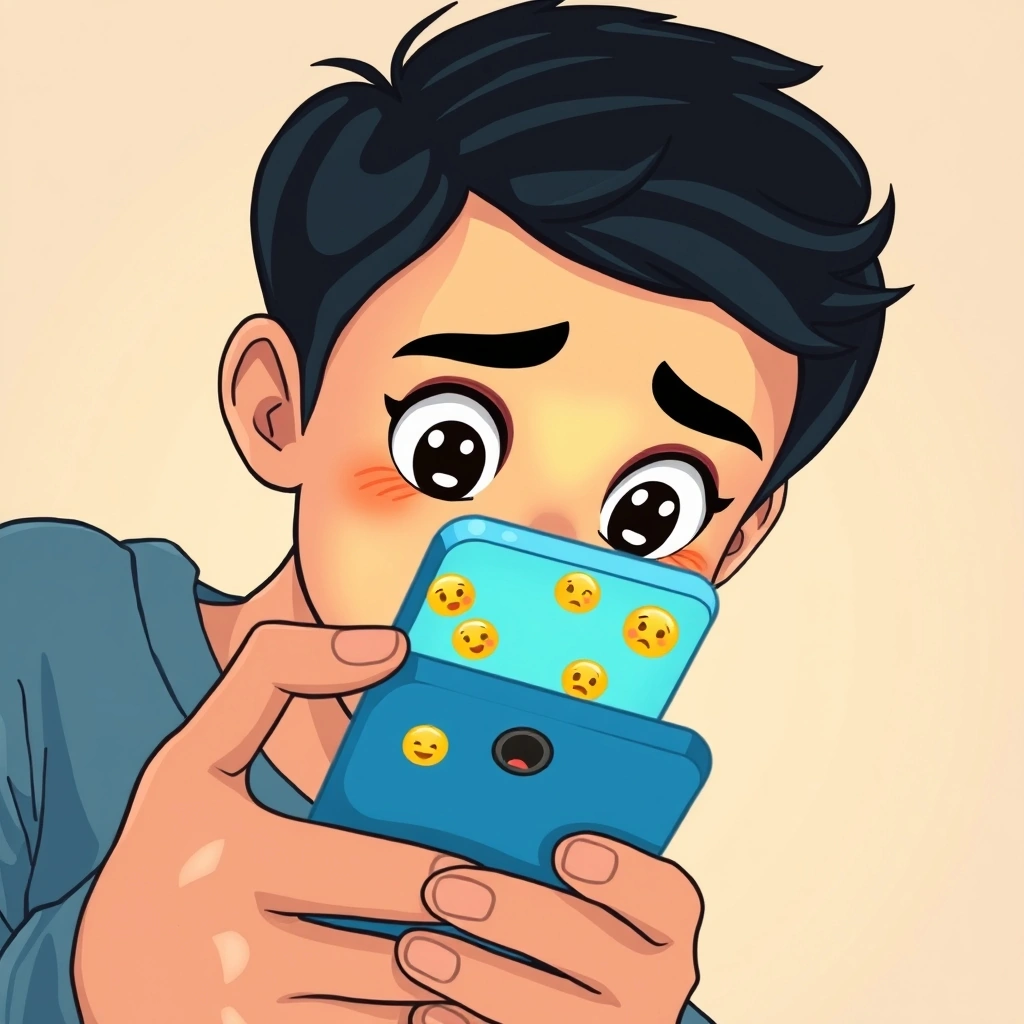
Navigating Professional Perceptions
While positive emojis generally enhance perceptions of warmth, their impact on perceived competence can be more nuanced, especially in professional contexts. In some formal settings, an excessive or inappropriate use of emojis might lead to a perception of unprofessionalism or a lack of seriousness.
However, a judicious use of certain emojis, such as a simple 'thumbs up' 👍 or a 'slightly smiling face' 🙂, can still convey approachability and a positive attitude without undermining competence. The key lies in understanding the context and the communication norms of the particular environment. It’s about finding the right balance to appear both affable and capable.
Building and Breaking Trust
Trust is a cornerstone of any relationship, and in digital communication, emojis can surprisingly influence its development. They can foster a sense of connection and understanding, or, if misused, they can inadvertently sow seeds of doubt.
Enhancing Empathy and Connection
When an emoji reflects the sentiment of the recipient or acknowledges their emotional state, it can significantly enhance perceived empathy. For example, responding to someone's bad news with a comforting emoji like a sad face 😔 or a hugging face 🤗 can make the sender appear more understanding and compassionate. This visual expression of empathy helps build a stronger emotional connection and reinforces trust.
Emojis can also make conversations feel more human and less transactional, fostering a sense of shared experience that strengthens interpersonal bonds. They offer an emotional shortcut, allowing us to quickly convey and perceive feelings, which is crucial for rapport building. For more on this, exploring how emojis act as emotional shortcuts can provide deeper insights.
The Double-Edged Sword of Ambiguity
Conversely, the misapplication or overuse of emojis can sometimes lead to confusion and erode trust. An ambiguous emoji or one that seems out of place can make a message harder to decipher, forcing the recipient to guess at the sender's true intentions. This uncertainty can create distance and make the sender appear less genuine or clear in their communication.
Consider a serious request followed by a laughing emoji 😂. This could be interpreted as sarcastic, dismissive, or even mocking, undermining the seriousness of the message and potentially damaging the recipient's trust in the sender's sincerity. Therefore, while powerful, emojis require thoughtful deployment to ensure they serve their intended purpose of enhancing communication.
The Cognitive Load of Emoji Processing
From a cognitive perspective, our brains process emojis alongside text, integrating visual and linguistic information. This integration isn't always effortless; it adds a layer of cognitive load. However, when an emoji effectively clarifies or reinforces the text, it can actually reduce ambiguity and streamline understanding, ultimately making the communication more efficient.
When emojis are used intuitively and align with cultural norms, they become almost subconscious cues, enriching the communication experience without requiring excessive mental effort. They tap into our visual processing systems, which are often faster and more direct for emotional information than linguistic analysis alone.
In conclusion, emojis are far more than just trendy digital embellishments. They are sophisticated psychological tools that profoundly influence how we perceive others and are perceived ourselves in the realm of written communication. By understanding their power to convey warmth, clarify intent, and build trust, we can wield them more consciously and effectively. In a world increasingly reliant on digital interactions, mastering the subtle art of emoji usage isn't just about being tech-savvy; it's about being socially intelligent.
📒 Related Blogs
More...The Fascinating History of Emojis: From Kaomoji to Global Phenomenon
The Secret Power of Emojis: How a Tiny Icon Can Change Your Message's Meaning
The Quiet Comfort of Emojis in Everyday Chats
The Secret Language: How Emojis Instantly Bridge Emotional Gaps in Digital Chats
The Fascinating Evolution of Emojis: From Early Pixels to Rich Expressions