The Journey of Emojis: From Simple Kaomoji to Global Digital Icons

Dec 09,2025
Ever wondered about the fascinating journey of those tiny, expressive symbols we use every day? Emojis have become an indispensable part of our digital conversations, but their roots go much deeper than you might imagine. From humble text-based emoticons to sophisticated animated icons, the evolution of emojis is a story of human creativity and the constant desire to add emotion to text.
The Dawn of Digital Emotion: Emoticons and Kaomoji
Before the colorful world of emojis, there were emoticons. These simple typographic symbols, like :) or :D, emerged in the early days of the internet, allowing users to convey mood in plain text. But the real game-changer came from Japan with the rise of "kaomoji" (顔文字), literally "face characters." Unlike Western emoticons, kaomoji could be read horizontally and didn't require tilting your head. Think of classics like (^_^) for happiness or (>_
The Birth of Emojis: Japan's Pioneering Role
The term "emoji" itself is Japanese, combining "e" (絵, picture) and "moji" (文字, character). The very first set of true emojis was created in 1999 by Shigetaka Kurita for NTT DoCoMo's i-mode mobile internet platform. He designed 176 12x12 pixel images to facilitate communication and make mobile interfaces more engaging. These early emojis depicted everything from weather to food to feelings, giving users a new visual language. They were an instant hit in Japan, showcasing the power of visual communication on mobile devices.
Global Adoption and Unicode Standardisation
While emojis thrived in Japan, their global spread began in earnest when Apple included an emoji keyboard in its iPhone operating system in 2008 (initially only for Japanese users) and then worldwide in 2011. This move, coupled with Google's subsequent adoption, brought emojis to the mainstream. However, a crucial step for universal understanding was their inclusion in the Unicode Standard. Unicode provides a unique number for every character, regardless of platform or program, ensuring that a Grinning Face emoji sent from an iPhone looks like a Grinning Face emoji on an Android device. This standardization was vital for making emojis truly global icons. When you need to copy emoji for your messages, this universality is what makes it possible.
Emojis as a New Universal Language
Today, emojis are more than just cute pictures; they are a vital part of our digital lexicon. They bridge language barriers, add context and emotion to otherwise bland text, and allow for quick, impactful communication. From expressing joy with a Smiling Face with Smiling Eyes to conveying complex ideas, emojis enhance our online interactions dramatically. Their popularity continues to soar, with new emojis added regularly to reflect cultural shifts and technological advancements. Exploring any emoji collection reveals the incredible diversity and depth of these symbols.
The Future is Emotional and Visual
The journey from simple text emoticons to intricate digital symbols is a testament to our innate human need for expression. Emojis have evolved from niche Japanese features to a global communication phenomenon. They’ve changed how we express ourselves, making our digital conversations richer, more nuanced, and infinitely more fun. As technology advances, who knows what new forms of emotional expression will emerge, but one thing is certain: visual communication is here to stay, and emojis are leading the charge. If you're looking for an emoji online to express just the right feeling, you'll find an ever-growing library ready for you.
This incredible evolution highlights how a simple idea can grow into a worldwide language, proving that sometimes, a picture really is worth a thousand words. 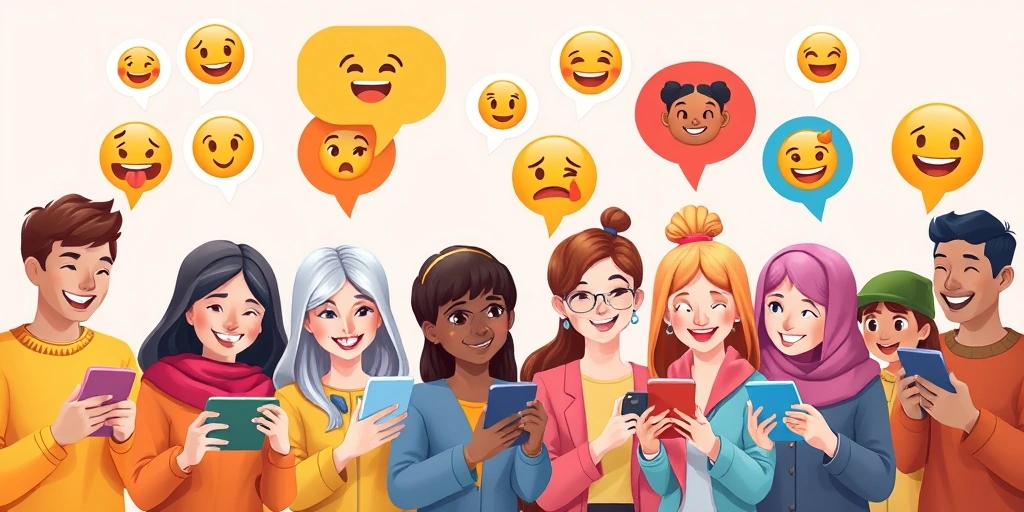
📒 Related Blogs
More...Unlock Deeper Engagement: Emojis for Social Media Strategy
Beyond Words: How Emojis Shape Our Online Relationships and Digital Communication
Emoji Magic: Why a Simple Icon Beats a Thousand Words in Casual Conversation
The Unsung Heroes of Remote Work: How Emojis Smooth Out Digital Communication
Decoding New Emojis: Unveiling Hidden Meanings and How to Use Them
The Art of the Brief Reply: How a Simple Emoji Transforms Professional Messaging