Beyond the Smile: Understanding the Global Cultural Nuances of Emojis

Dec 14,2025
Emojis have become an integral part of our digital conversations, often seen as a universal language. But beneath their simple facade, emojis carry rich cultural nuances that can lead to surprising misunderstandings across borders. What might be a friendly gesture in one country could be offensive in another!
Thumbs Up: A Global Dive
Take the simple 👍 Thumbs Up emoji. In most Western cultures, it signifies approval, 'okay,' or 'good job.' However, in parts of the Middle East, West Africa, and South America (like Brazil), it can be interpreted as an insult, similar to an upturned middle finger. This stark contrast highlights the importance of cultural awareness in digital communication. Imagine giving a 'great job!' to someone only for them to take it as an offense. 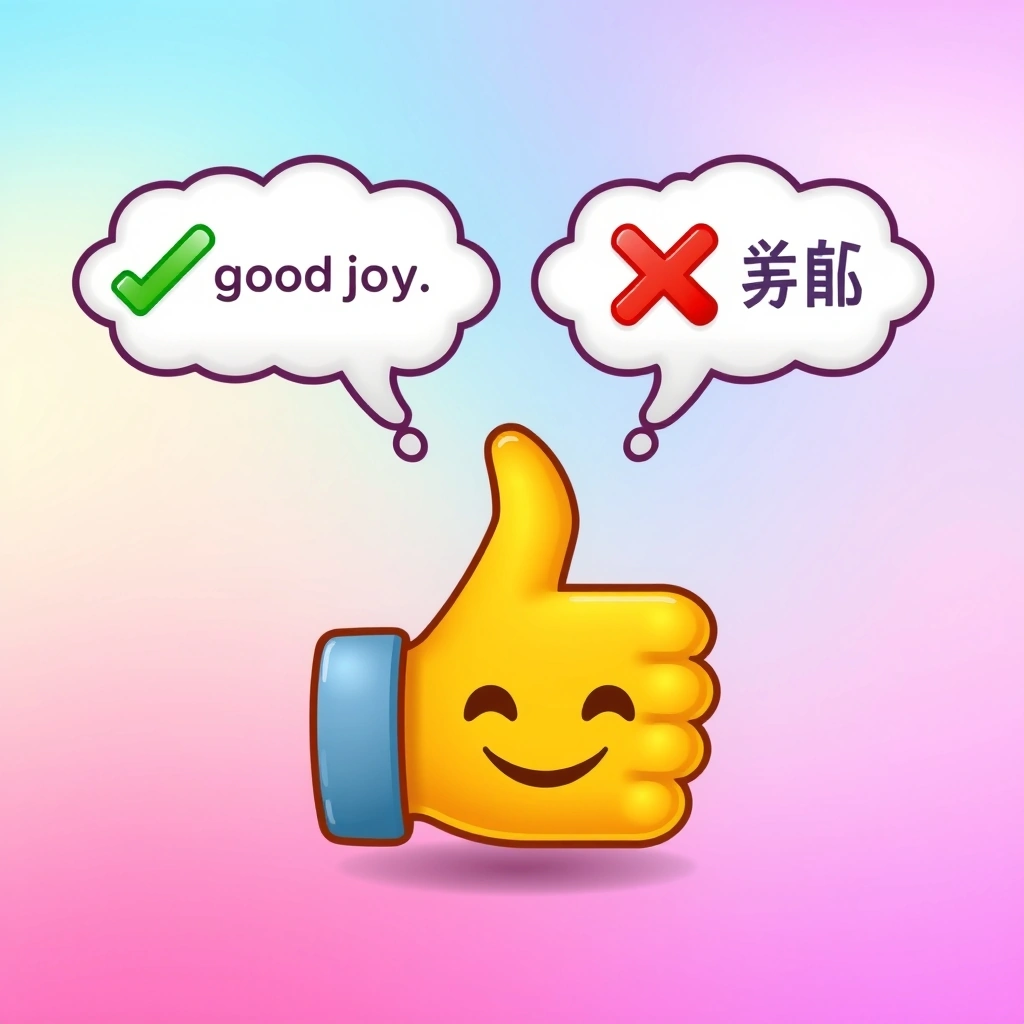
The Power of Prayer Hands
The 🙏 Folded Hands emoji is another fascinating example. Many associate it with prayer or gratitude, especially in Western contexts. In Japan, however, it's widely understood as 'please' or 'thank you,' a gesture of polite request or deep appreciation, derived from the gassho gesture. This difference in interpretation is a prime example of how local customs influence digital expression. If you need to copy emoji for your messages, remember these nuances!
Smiling Faces and Their Secrets
Even seemingly innocent smileys like the 😀 Grinning Face can have subtle cultural undertones. While generally positive, some cultures, particularly in East Asia, might perceive excessive smiling as a way to hide true feelings or even as a sign of insincerity in certain formal contexts. Conversely, a lack of smiling might be seen as impolite in others. Understanding these subtleties can truly enhance your online communication. 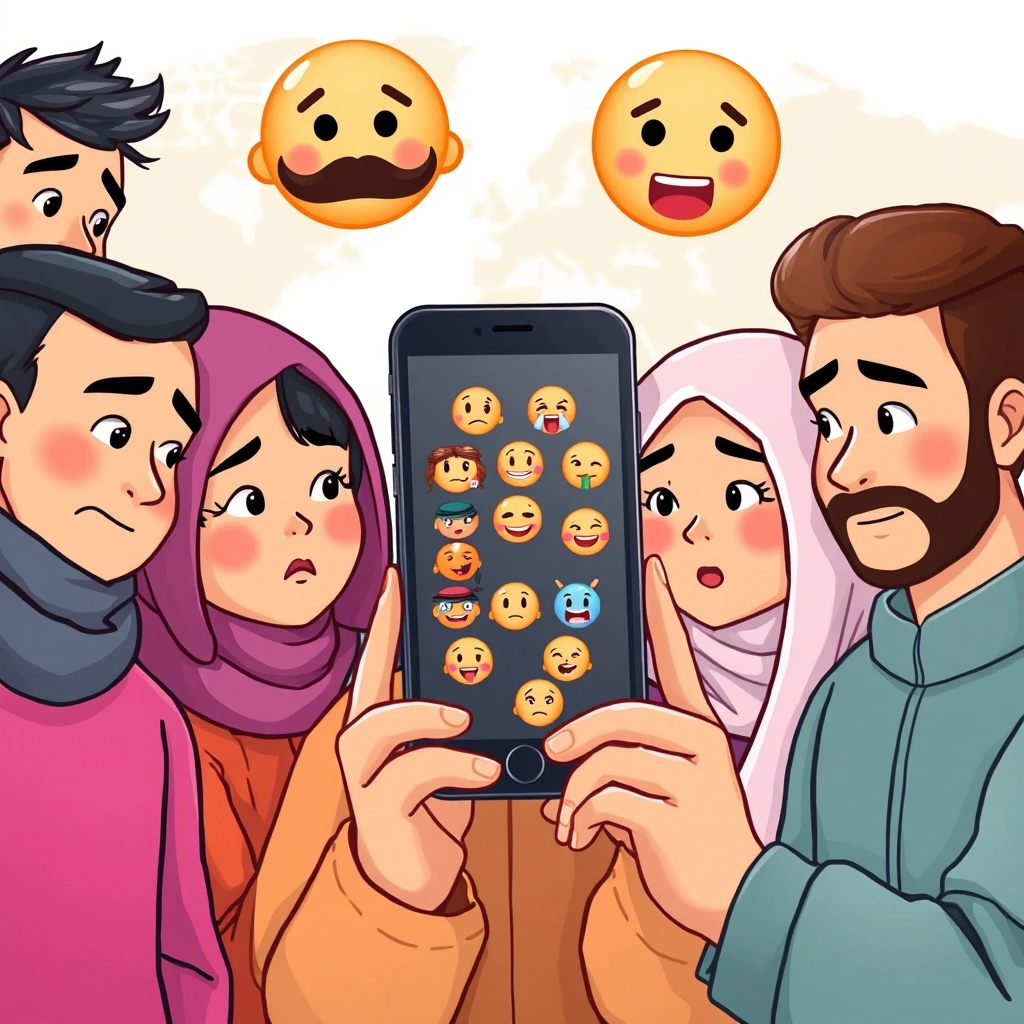
Beyond the Obvious: Hand Gestures and Animals
Many hand gesture emojis, like the ✌️ Victory Hand or 🤘 Sign of the Horns, carry vastly different meanings globally. Similarly, animal emojis can have varied symbolism; an owl might be seen as wise in one culture and a bad omen in another. This demonstrates how deeply rooted cultural beliefs influence our digital lexicon. For a comprehensive collection, check out emojilar.
Navigating the Emoji Landscape
As our world becomes more interconnected, understanding these cultural nuances is crucial for effective global communication. It’s not about avoiding emojis, but about using them thoughtfully and with an awareness of your audience. Before you paste emoji into your message, a quick thought about who you're talking to can save you from an awkward moment. Our emoji online resource at emojilar.com can help you explore specific meanings and learn more about this vibrant digital language. 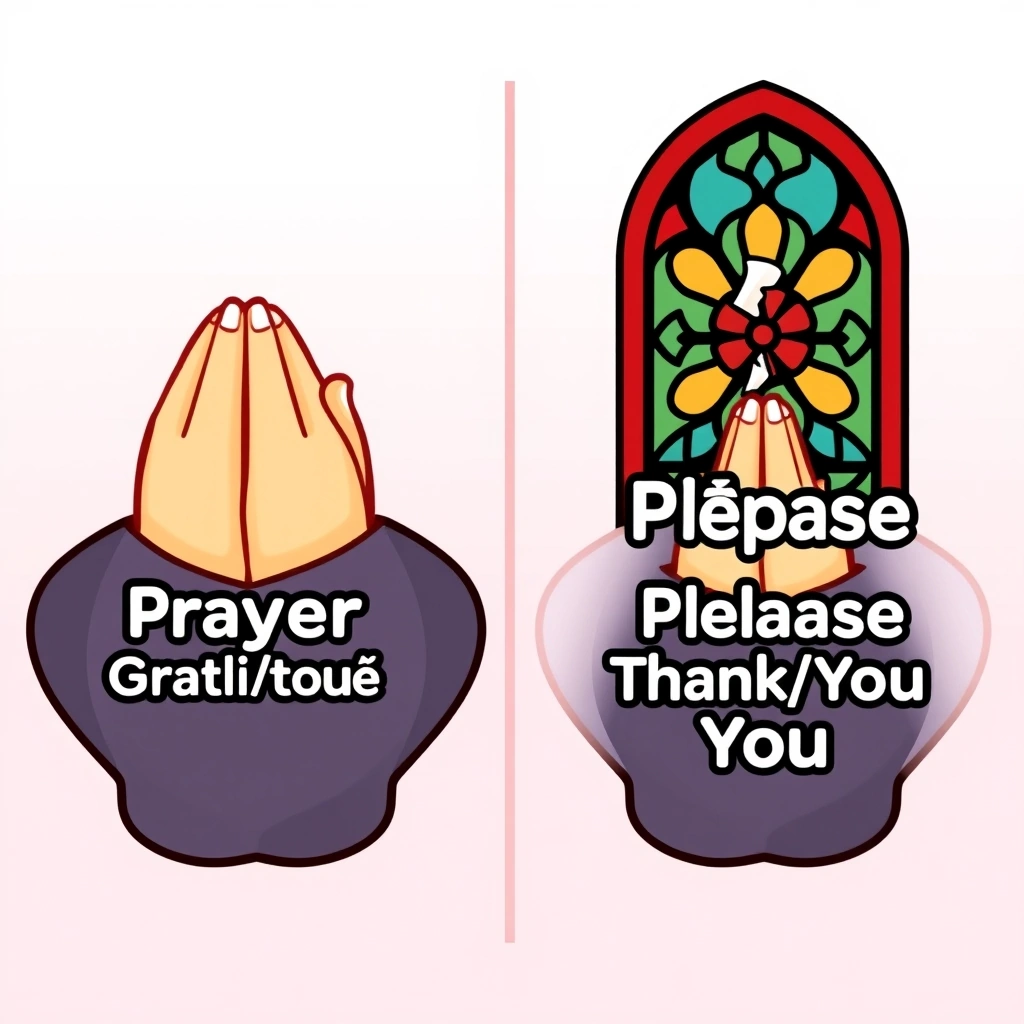
Emojis are powerful tools that transcend simple text, but their strength lies in their ability to convey emotion and intent. Recognizing that these interpretations are filtered through cultural lenses allows us to communicate more effectively, respectfully, and truly connect across diverse digital landscapes. So next time you send an emoji, remember the rich tapestry of meanings it might carry!
📒 Related Blogs
More...Emojis & Mental Health: Expressing Emotions Digitally for Better Connection
Emoji Etiquette: Mastering the Unwritten Rules of Digital Communication
Effortless Express: How Emojis Revolutionize Your Daily Chats
Emoji Magic: How Little Icons Make Your Digital Chats Flow Seamlessly
The Emoji Enigma: How Those Little Icons Accidentally Confuse Our Casual Chats