Emojis & Mental Health: Expressing Emotions Digitally for Better Connection

Dec 25,2025
In our increasingly digital world, where much of our communication happens through screens, emojis have emerged as a powerful, non-verbal language. More than just decorative icons, they play a surprisingly significant role in how we express our mental states and connect with others. This isn't just about adding a smiley face; it's about conveying depth and nuance in a way that plain text often struggles to achieve. Many people use Emoji online daily to enrich their messages.
The Power of Emojis in Expressing Mental States
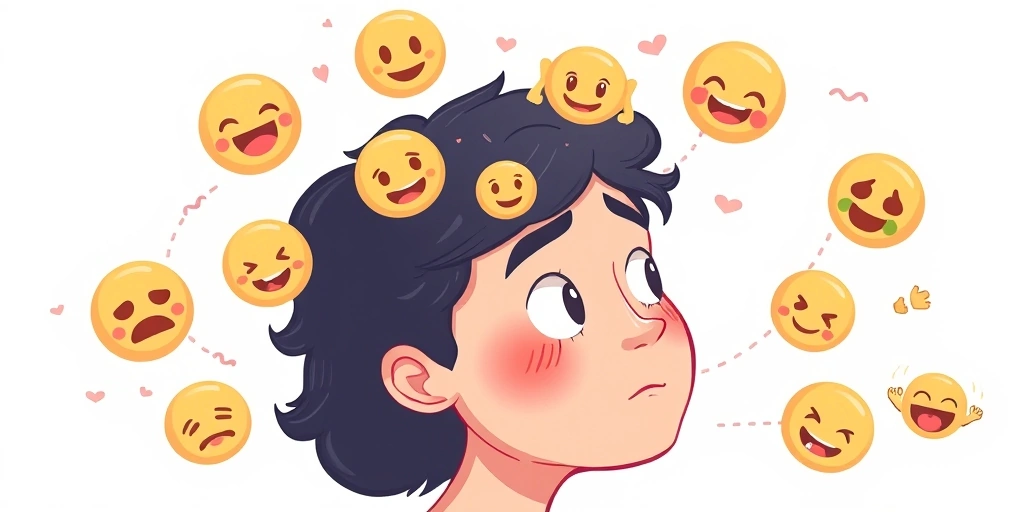
Emojis act as emotional shorthand, allowing us to imbue our messages with feelings that might otherwise be lost. Think about the difference between "I'm fine" and "I'm fine 😊" or "I'm fine 😔." The addition of a single emoji can completely change the perceived sentiment, offering a window into our true feelings. For those who find it hard to articulate complex emotions with words, a simple icon like 😢 (Crying Face) can convey sadness or distress instantly, fostering understanding without lengthy explanations. It's a quick way to communicate when words fail or feel too overwhelming.
Fostering Connection and Empathy Online
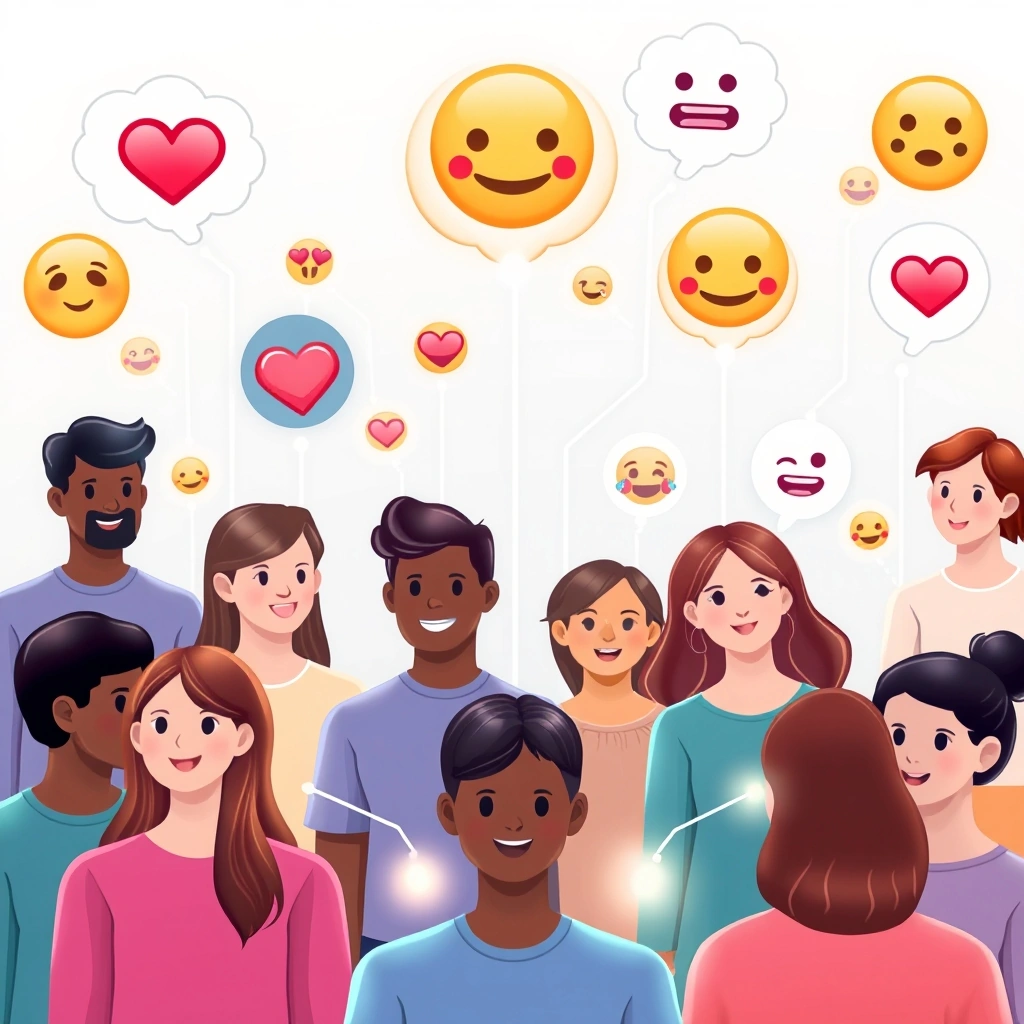
Beyond personal expression, emojis are crucial for building and maintaining social connections. They humanize our digital interactions, making conversations feel more personal and less transactional. When a friend sends a message with a 😊 (Smiling Face with Smiling Eyes), it’s often perceived as a warm, friendly gesture, strengthening the bond. Emojis can bridge cultural and linguistic gaps, providing a universal visual language for emotions. They help reduce misinterpretations, as a sarcastic comment might be softened or clarified with a 😉 (Winking Face), preventing unnecessary conflict and promoting empathy.
Emojis as a Tool for Self-Expression and Coping
For many, emojis serve as a vital tool for self-expression, particularly regarding mental health. They offer a low-pressure way to share how one is feeling without the pressure of finding the "right" words. Feeling overwhelmed? A quick 😫 (Tired Face) or 🤯 (Exploding Head) can communicate that. Trying to convey peace or mindfulness? The 🧘♀️ (Woman in Lotus Position) emoji does the trick. This ease of expression can be particularly beneficial for younger generations who are highly fluent in digital communication. It allows for quick check-ins and offers a visual vocabulary for internal experiences, making it easier to open up about one's well-being. Looking for more options? You can always find a vast emoji collection at emojilar.
Navigating the Nuances: When Emojis Aren't Enough
While powerful, it's important to acknowledge that emojis have limitations. They are a complement to, not a replacement for, deeper conversations. Over-reliance on emojis to express serious mental health concerns might lead to superficial understanding. There are times when a phone call, a face-to-face conversation, or professional help is absolutely necessary. Emojis can act as a starting point, a subtle indicator that something is amiss, prompting further, more in-depth communication. For instance, sending a 🤔 (Thinking Face) might indicate pondering a complex issue, potentially leading to a deeper chat.
Ultimately, emojis are a fascinating facet of our digital lives, proving their worth not just in casual chats but also in the delicate realm of mental health expression. They offer a unique blend of brevity and emotional depth, helping us navigate the complexities of human connection in the digital age. By understanding their power and their limitations, we can harness emojis to foster greater empathy, clearer communication, and more supportive online environments.
📒 Related Blogs
More...When Words Feel Too Risky: How Emojis Quietly Clarify Our Intentions
The Psychology Behind Emojis: Why We Love to Tap and Send Them
Did You Just Offend Someone? The Hidden Traps of Emoji Misuse in Digital Chats
The Emoji Glow-Up: How Viral Trends Reshape Meanings Overnight 🤯
Unpacking Global Emojis: Regional Differences in Digital Communication
The Final Touch: How Emojis Make Your Fast Messages Feel Complete