Unlocking the Mind: The Secret Psychology Behind Your Favorite Emojis

Dec 11,2025
Ever wonder why certain emojis resonate with you more than others? Or how a tiny icon can completely change the tone of a message? Emojis are far more than just cute pictures; they're a powerful, often subconscious, language that taps into our deepest psychological patterns. In our increasingly digital world, understanding the emojilar language of these symbols is key to effective communication and genuine connection.
The Emotional Bridge: Filling the Digital Void
In face-to-face conversations, we rely heavily on non-verbal cues – facial expressions, body language, tone of voice – to convey emotion and intent. Text-based communication, however, strips away these vital signals, often leading to misunderstandings. This is where emojis step in, acting as an emotional bridge. They allow us to inject personality, humor, sarcasm, or empathy into our messages, making our digital interactions feel more human and authentic. Without them, a simple text like "Okay" can feel cold or dismissive, but add a 😊, and suddenly it's warm and agreeable. It’s a fascinating aspect of digital Emoji copy that we often take for granted.
Decoding Our Digital Selves: What Your Emojis Really Say
The emojis we choose often reflect our subconscious state, desires, and even our personality. Consider the difference between 😂 Face with Tears of Joy and 🤣 Rolling on the Floor Laughing. While both signify laughter, the 😂 often represents a more common, slightly less intense amusement, whereas 🤣 suggests genuine, uncontrollable hilarity, almost as if you’ve been completely overcome by joy. Your preference might hint at how expressive you truly are. 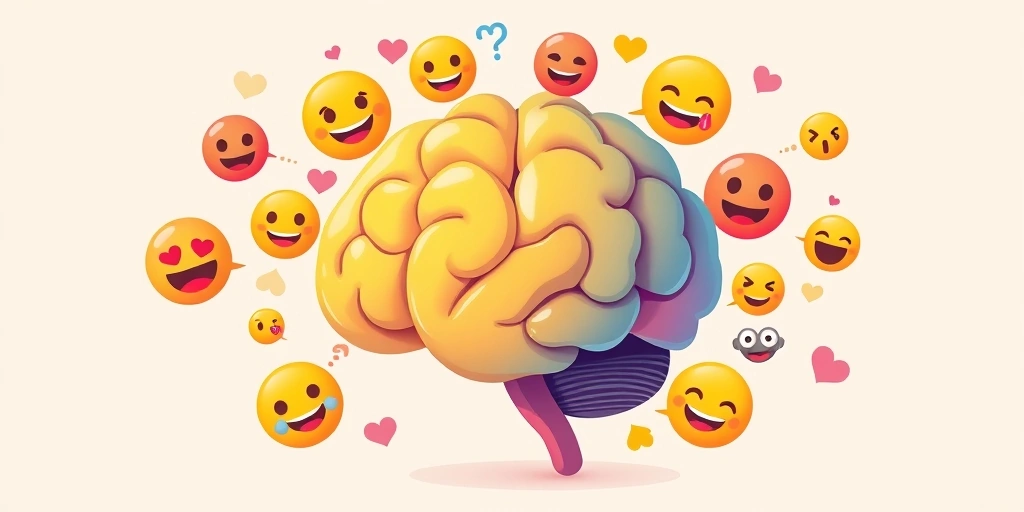 These choices aren't random; they're small windows into our psychological makeup.
More Than Just Icons: Building Connection and Empathy
Emojis are incredibly effective at building rapport and fostering empathy. Receiving a heartfelt ❤️ Red Heart can instantly make you feel cared for, even from a distance. They act as visual affirmations, strengthening bonds and softening potentially harsh messages. They allow us to express sympathy, excitement, or gratitude in a way that plain text often struggles to achieve. When you're browsing an extensive Emoji collection, remember each one has a psychological weight.
The Subtleties of Sender and Receiver: A Two-Way Street
However, the psychology of emojis is a two-way street. The sender's intent might not always align with the receiver's interpretation. Cultural backgrounds, age, and even personal experiences can significantly alter how an emoji is perceived. A simple 👍 Thumbs Up can mean "great!" in one context but "I'm done with this conversation" or even be passive-aggressive in another. Navigating these subtleties requires a degree of emotional intelligence, both in choosing and interpreting them. 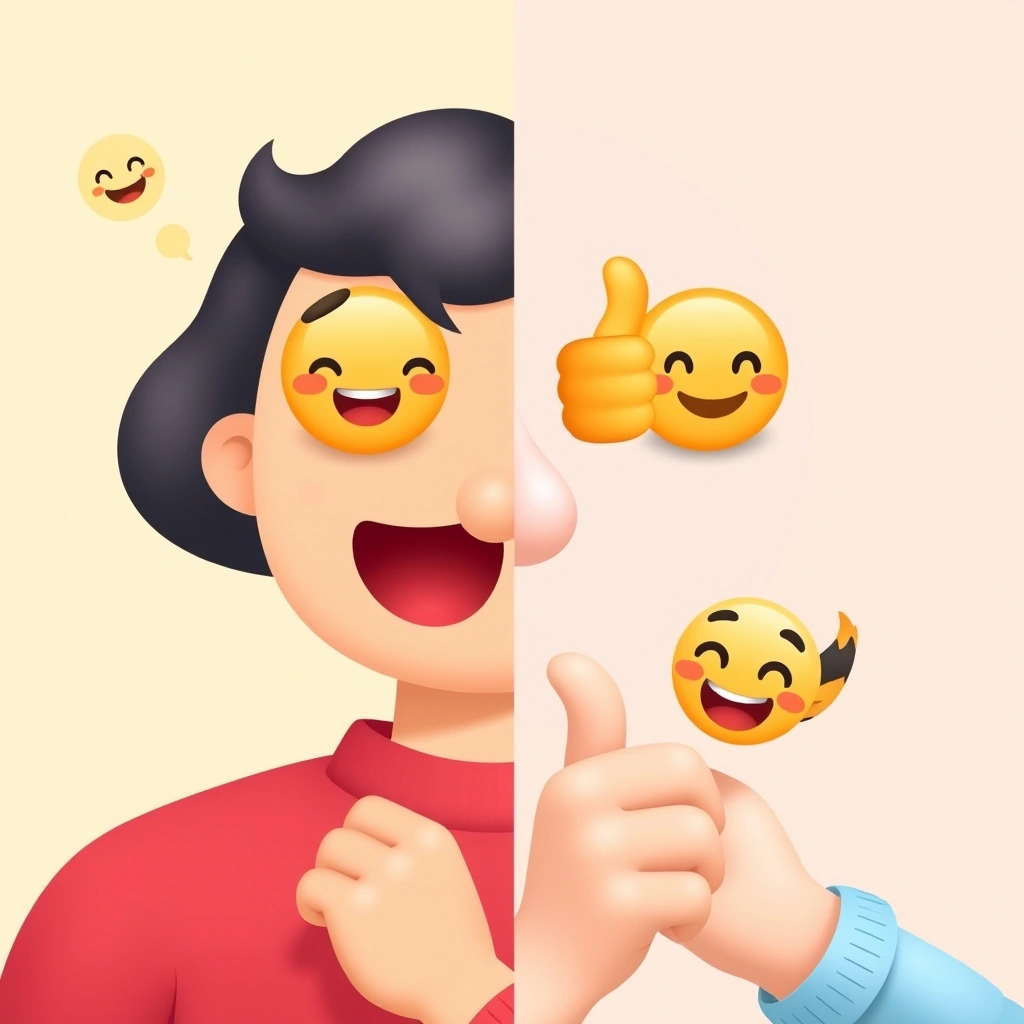
The Power of a Single Symbol: Shaping Perceptions
A single emoji can shift the entire perception of a message. Imagine a boss sending "Please get this done ASAP" versus "Please get this done ASAP 😊." The addition of the smiling face softens the urgency, making the request feel less demanding and more collaborative. This demonstrates the powerful psychological impact emojis have on our interpersonal dynamics, even in professional settings. They are not merely decorative but functional components of our digital language, influencing mood, tone, and relationships. 
In conclusion, the secret psychology behind your favorite emojis is a rich tapestry of human emotion, cultural nuance, and digital communication. By understanding their power, we can become more mindful communicators, using these tiny symbols to build stronger connections and express ourselves with greater clarity and authenticity. So next time you Copy emoji, take a moment to appreciate the depth of meaning it carries.
📒 Related Blogs
More...The Secret Language: How Emojis Make Our Digital Chats Flow Effortlessly
The Secret Power of Emojis: How Tiny Icons Shape How We See Each Other Online
The Unseen Power: How Emojis Secretly Shape What Others Think of You
The Unspoken Magic of Emoji Pairs: How Two Little Icons Say So Much More
How a Simple Emoji Can Save You From Awkward Digital Silence
Mastering Emoji Etiquette: What NOT to Do in Digital Communication