Beyond Words: How Emojis Orchestrate the Rhythm of Professional Messaging

Dec 30,2025
Remember when professional messages were purely text? A wall of words, precise and often dry, dictating a certain measured pace. It felt like a slow, deliberate waltz. Then emojis arrived, tiny bursts of expression, and suddenly, the music changed. They’ve not just added color; they’ve fundamentally altered the rhythm of how we communicate in professional settings, creating a more dynamic, human, and sometimes surprisingly efficient flow.
The Subtle Accelerators and Decelerators of Conversation
One of the most profound ways emojis shift the rhythm is by acting as silent cues for speed. A quick 👍 or ✅ can signal immediate acknowledgment, effectively concluding a micro-interaction without the need for a full sentence. This accelerates the pace, allowing conversations to move swiftly past minor confirmations. Conversely, a 🤔 or 😟 might subtly introduce a pause, inviting reflection or further clarification, gently decelerating the flow to ensure understanding. It’s like a conductor adding a slight beat or a momentary hold, guiding the orchestra of our dialogue.
Think about a rapid-fire project chat. Instead of "Got it, thanks for the update," a simple "Got it 👍" cuts down keystrokes and maintains momentum. This isn't just about efficiency; it's about perceived responsiveness and the natural ebb and flow of a quick-paced exchange. It keeps the conversation alive and reduces friction, making digital interactions feel less like a formal exchange of documents and more like a fluid back-and-forth.
Beyond Words: Infusing Emotion and Contextual Cadence
While often unstated, the underlying emotional current of a conversation significantly impacts its rhythm. Emojis, despite their small size, are powerhouses for conveying tone, which in turn dictates cadence. A message ending with a 😊 might feel warmer and invite a more relaxed, conversational reply. One with a 🚨 or urgent-looking emoji can instantly convey seriousness, prompting a faster, more focused response. This ability to infuse nuanced emotion without lengthy explanations changes how messages are interpreted, and consequently, the speed at which we feel compelled to react. It’s a fascinating look into how emojis reshape professional message interpretation, adding layers that plain text simply cannot capture.
Consider a feedback email. "Great work on the report." is fine, but "Great work on the report! 🎉" adds a celebratory beat, encouraging a positive and perhaps more enthusiastic response. The rhythm shifts from a neutral acknowledgment to an encouraging celebration, affecting the subsequent interaction.
Navigating Professional Boundaries with a Nod and a Smile
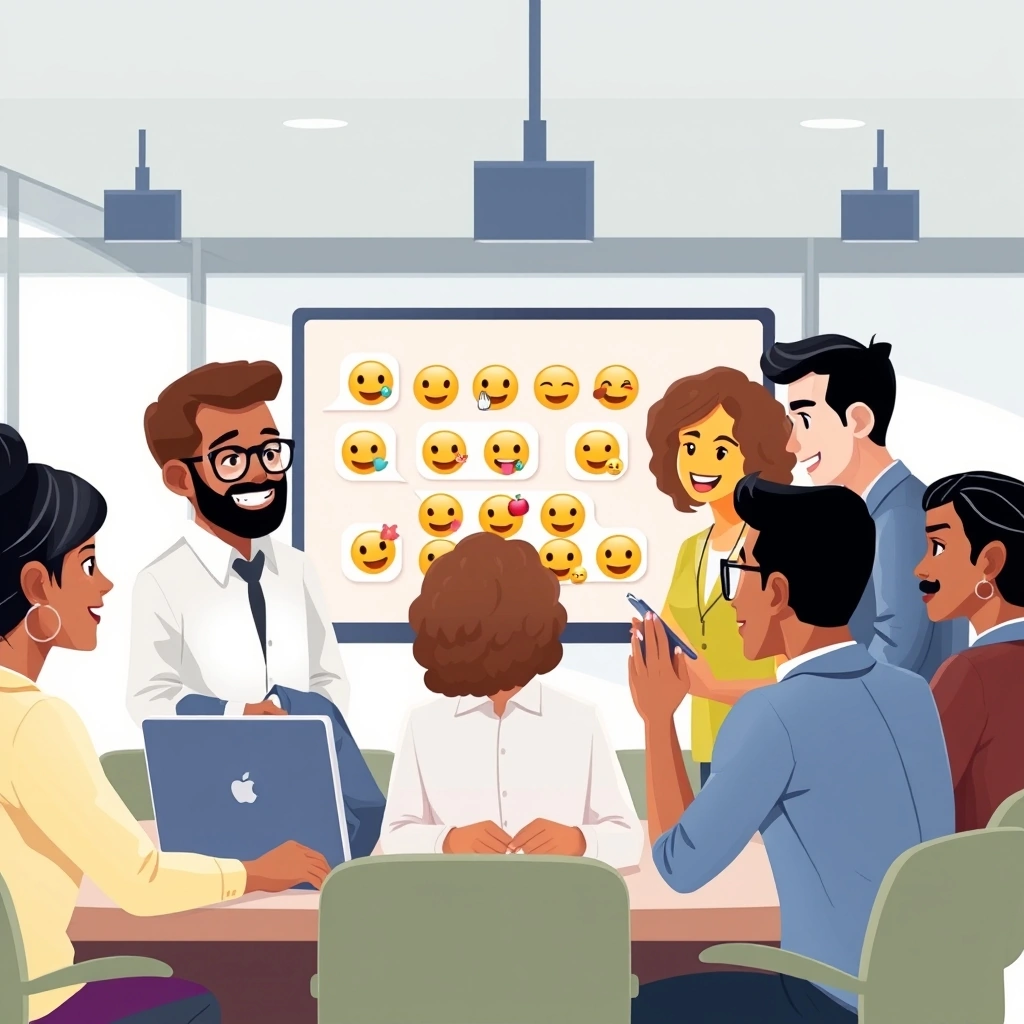
Professional environments are built on a delicate balance of formality and approachability. Emojis play a unique role in softening rigid structures and injecting a friendly cadence without undermining professionalism. A touch of humor with a slightly amused emoji 😂, or a gesture of solidarity with a 🙌, can humanize interactions that might otherwise feel cold or transactional. This doesn't mean every message becomes a cascade of smiley faces, but strategic, thoughtful use can prevent communication from feeling overly sterile. It helps bridge the gap between formal language and the human desire for connection, allowing for a more natural, less stilted conversational rhythm.
For instance, an executive sending "Please review by end of day." versus "Please review by end of day 👍" introduces a subtle yet significant difference in perceived urgency and approachability. The latter, while still firm, feels less like a command and more like a collaborative request, influencing the response rhythm from stressed compliance to collaborative effort.
Maintaining Flow: The Unsung Role of the Visual Cue
In digital conversations, particularly in fast-paced messaging apps, the flow can easily be disrupted by the absence of non-verbal cues. Emojis step in as visual proxies for nods, smiles, or even a furrowed brow, helping to maintain conversational continuity. They act as punctuation marks for tone and intent, preventing misunderstandings that could otherwise halt a discussion to seek clarification. When a colleague asks, "Is that clear?" and receives a "Crystal clear! ✨", the conversation flows seamlessly onward. Without the emoji, the same text might prompt a follow-up question to ensure genuine understanding, thereby breaking the rhythm. This aspect of emoji usage is critical in understanding how emojis steer fast-paced conversations, acting as visual shorthand for complex sentiments.
When the Rhythm Breaks: Misinterpretation and Overuse
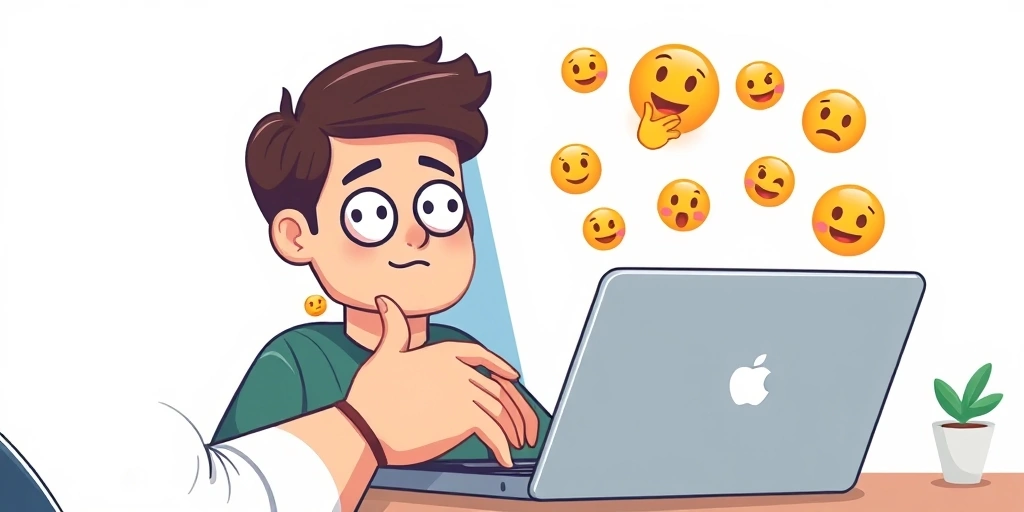
Of course, not every emoji use harmonizes perfectly with the desired rhythm. Misinterpretation is a real risk. A seemingly innocent emoji can be perceived differently across cultures, generations, or even individual preferences. A sarcastic use of an emoji, intended to lighten the mood, might come across as passive-aggressive, jarring the conversational rhythm. Overuse can also dilute their impact, turning a vibrant beat into a monotonous hum. The key lies in understanding the context, audience, and the desired cadence of the interaction. It's about finding the right note, at the right time, to enhance rather than disrupt the flow. For more insights into this broad topic, exploring the emoji & communication category can provide deeper understanding.
The Evolving Cadence of Professional Dialogue
The integration of emojis into professional messaging is a testament to the evolving nature of human communication. They've pushed us beyond mere text, allowing for a more nuanced, flexible, and human-centric approach to digital interaction. The rhythm of our professional conversations is no longer solely dictated by grammar and syntax; it's now influenced by these tiny, powerful symbols that can accelerate, decelerate, soften, or sharpen our exchanges. As our digital workplaces continue to evolve, so too will the subtle, yet significant, role emojis play in orchestrating the cadence of our daily professional lives. What new rhythms will they inspire next?
📒 Related Blogs
More...Emojis: The Universal Language Breaking Down Communication Barriers
Unlocking Digital Emotions: The Psychology Behind Your Favorite Emojis
Emojis: The Secret Sauce for Friendly, Flowing Digital Conversations
How Emojis Keep Up with the Ever-Changing Digital World
The Emoji Awkwardness: When a Smiley Face Just Doesn't Feel Right
Decoding New Emojis: A Guide to the Latest Additions & Their Meanings