How Emojis Are the Secret Weapon for Navigating Heated Online Conversations

Mar 04,2026
Scrolling through your feed when a major news story breaks is a unique experience. The timeline floods with takes, hot and cold. Opinions fly, facts get muddled, and the overall mood can feel… intense. But have you ever noticed how a single post, saying essentially the same thing as another, can land completely differently? Often, the difference isn't in the words—it's in the emojis.
Emojis are the silent conductors of our online orchestra. In the chaotic symphony of a trending topic, they don't just add melody; they set the tempo and the volume for the entire conversation. A post about a frustrating political development might end with a weary face 😔, inviting shared exhaustion rather than combative debate. The same statement followed by a fiery anger emoji 🔥 primes readers for conflict. The emoji frames everything that comes before it.
The Emotional Shortcut in a Crowded Room
Think of a trending hashtag as a massive, noisy digital room. Everyone is shouting to be heard. Text alone can come across as blunt, cold, or easily misinterpreted. This is where emojis perform their first magic trick: they inject immediate, universally understood emotion. They're an emotional shortcut.
When someone shares a sad news article with a heartbreak emoji 💔, they’re not just sharing information. They’re saying, "This hurts. I’m sharing in this grief with you." It transforms a mere link-drop into an act of communal feeling. Conversely, adding a rolling-eyes face 🙄 to a comment about a repetitive debate signals playful exasperation. It tells the reader, "We’ve been here before, haven’t we?" and can unite people in shared fatigue, preventing the conversation from spiraling into genuine anger.
This function is crucial for managing the unspoken tone of a thread. They act as social cues we’ve lost in text-based communication.
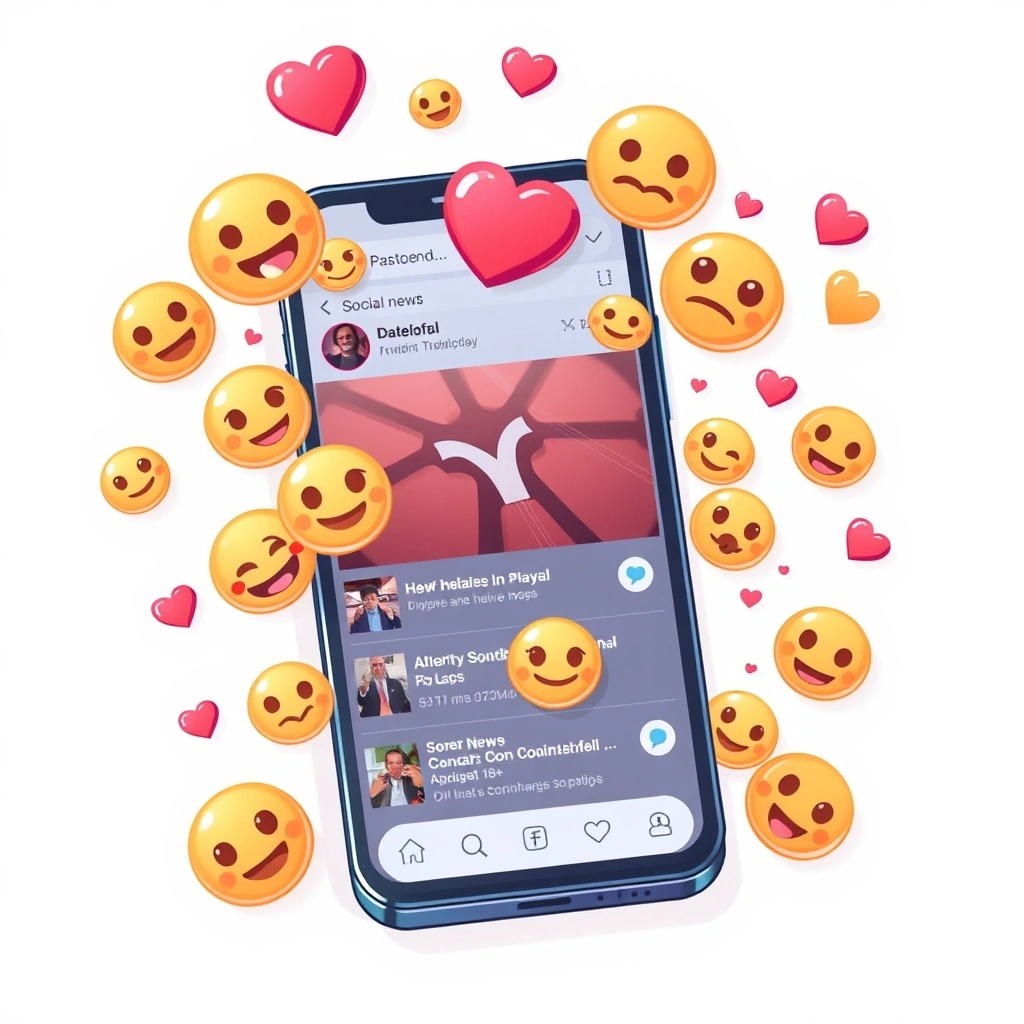
Defusing Tension and Building Bridges
One of the most powerful uses of emojis in heated discourse is de-escalation. A well-placed emoji can soften a critique, show humility, or acknowledge another perspective without writing a paragraph.
Imagine two people disagreeing on a complex issue. One replies: "I see your point, but I think the data shows something different 🤔." That thinking face does heavy lifting. It visually represents consideration. It says, "I’m engaging with your idea, not just dismissing you." It opens a door for dialogue that a period at the end of the sentence would slam shut.
Similarly, the humble shrug ¯\_(ツ)_/¯ or palms-up emoji 🤷 can acknowledge uncertainty or complexity. In a debate where everyone is expected to have a rigid, flawless opinion, these emojis introduce nuance. They say, "It’s complicated," or "I don’t have all the answers," which can be a disarming and relatable admission that lowers everyone’s defenses.
The Amplifier and the Mute Button
Emojis also function as amplifiers and mute buttons for collective sentiment. During a social justice movement, the raised fist ✊ isn't just an emoji; it's a symbol of solidarity and resolve. Its repeated use across millions of posts strengthens the movement's visual and emotional cohesion. It amplifies the core message of unity and strength.
On the flip side, emojis can mute or redirect negativity. The classic "face with rolling eyes" 🙄 or "unamused face" 😒 can dismiss a bad-faith argument or troll without giving them the lengthy, angry response they crave. It’s a way for the community to collectively sigh and move on, preventing the troll from derailing the main conversation. It’s a non-verbal cue to the group: "This isn't worth our energy."
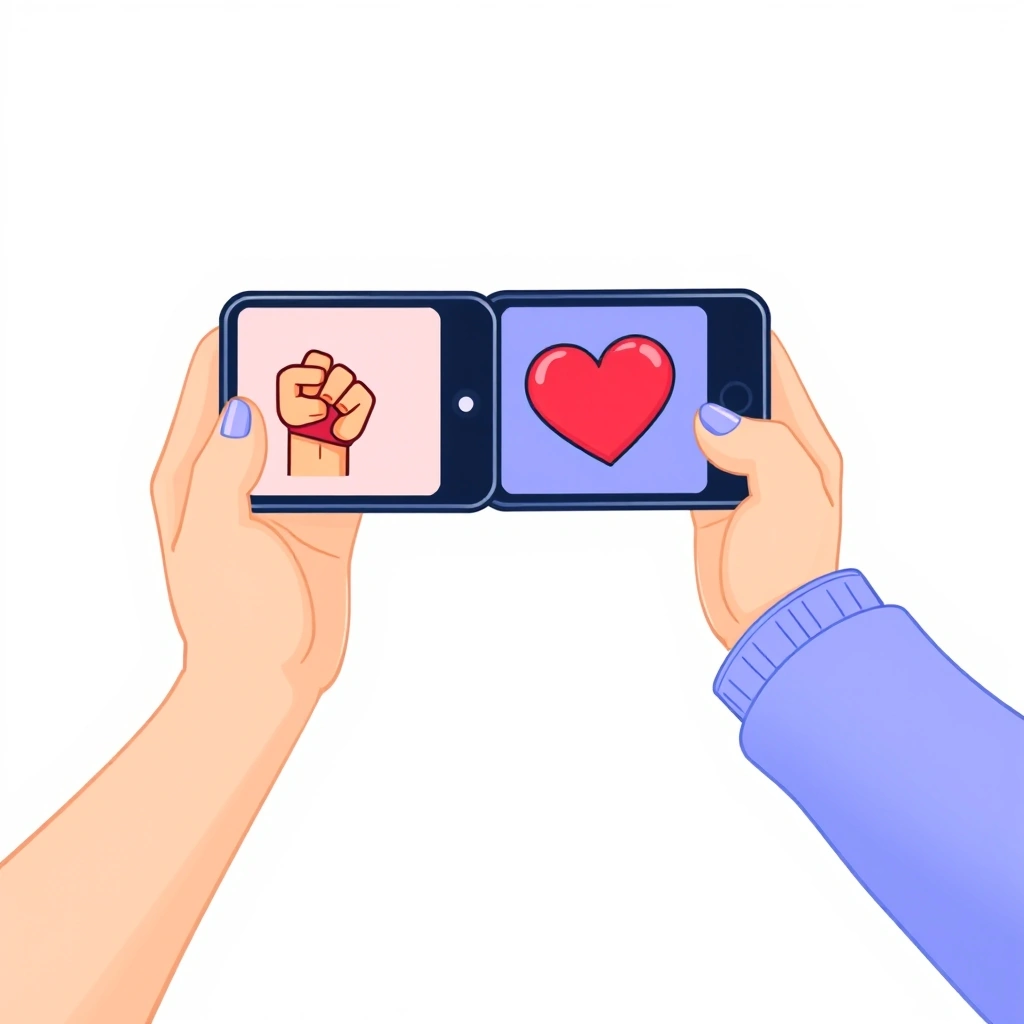
This collective use shapes what we perceive as the "public tone." If the dominant emojis under a trending topic are hearts ❤️ and praying hands 🙏, the tone is one of support and care. If it’s anger 😠 and fire 🔥, the tone is one of outrage. We subconsciously read this landscape and often adjust our own participation accordingly. For more on how this collective reaction forms, you can explore how emojis shape viral reactions.
A Tool, Not a Solution
It’s important to say that emojis aren't a cure-all for toxic discourse. They can be misused for sarcasm that stings more than plain text, or to oversimplify very complex issues. A crying-laughing face 😂 on a serious post can be deeply inappropriate and inflammatory.
But as a tool for tone management, their value is undeniable. In the hands of thoughtful users, they bring back the human warmth, irony, empathy, and nonverbal nuance that pure text strips away. They help us signal intent, show we’re listening, and navigate the emotional minefield of public topics with a bit more grace.
So next time you’re about to post on a hot-button issue, pause for a second after typing your words. Ask yourself: What’s the tone I want to set? Am I inviting debate, offering solace, expressing frustration, or seeking connection? The right emoji might just be the key to ensuring your message is heard the way you mean it.
For more insights into the intersection of emojis and our digital social lives, check out our broader collection on emoji and social media.
📒 Related Blogs
More...The Tiny Tone-Setters: How Emojis Shape Public Conversations Online
The Future of Emojis: Decoding Digital Expression's Next Frontier
Beyond Words: How Emojis Enhance Emotional Expression in Digital Communication
The Secret Language of Two: How Emoji Pairs Reshape Group Chat Understanding
The Quiet Comfort of Emojis: How They Fill Our Everyday Pauses
Rhythm and Reaction: How Emojis Steer Fast-Paced Conversations