The Hidden Grammar of Emoji Pairs: How Two Tiny Icons Change Everything
Feb 19,2026
You know that feeling when you're typing out a comment, and you add two emojis at the end? It feels right. It adds a layer of feeling that words alone just can't capture. But here's the thing I've been noticing more and more: the order of those two little icons matters. A lot. It's not just decoration; it's a tiny, powerful piece of grammar for our digital age.
Think about it. You text a friend about a stressful day. They reply with "Hang in there!" followed by the red heart and the pleading face. That feels deeply supportive, like a virtual hug and a promise to listen. But what if the order was flipped? The pleading face first, then the heart. Suddenly, the vibe shifts. It might feel more like a gentle, empathetic nudge—"I feel your pain, but I love you." The core message is similar, but the emotional entry point is different.
This isn't about right or wrong. There's no official rulebook. It's about the subtle, collective intuition we've all developed. The order creates a mini-narrative. The first emoji you see sets the initial emotional context. The second one reacts to it, modifies it, or adds a twist.
Let's look at a classic: the laughing-crying face and the rolling-on-the-floor-laughing emoji. Put the ROFL emoji first, and it reads as an intense, immediate reaction of finding something hilarious. The laughing-crying face that follows almost acts like a calming comma, bringing the reaction down to a sustained chuckle. Reverse them, and the journey changes. It starts with a solid "that's funny," and then escalates to "no, wait, it's actually hysterical." The build-up feels more deliberate.
When Support Turns Sarcastic
This is where things get really interesting, and sometimes, dangerously ambiguous. Take the thumbs-up and the eyes emoji. "Great job" followed by a thumbs-up and then eyes feels observant and approving—"I see you, and I acknowledge your win."
But flip them. Eyes, then thumbs-up. The tone can curdle into something watchful and performative. It can read as "I'm watching... and I guess that's acceptable." The same components, a totally different atmosphere. It's the difference between a pat on the back and a slow, measured nod.
This subtle shifting is everywhere in social media comments. On a friend's vacation photo, a sun and a heart feels purely joyful and loving. A heart and a sun might carry a hint of "I love this for you" with a tinge of wistful envy. Again, not a bad thing, just a different emotional flavor.
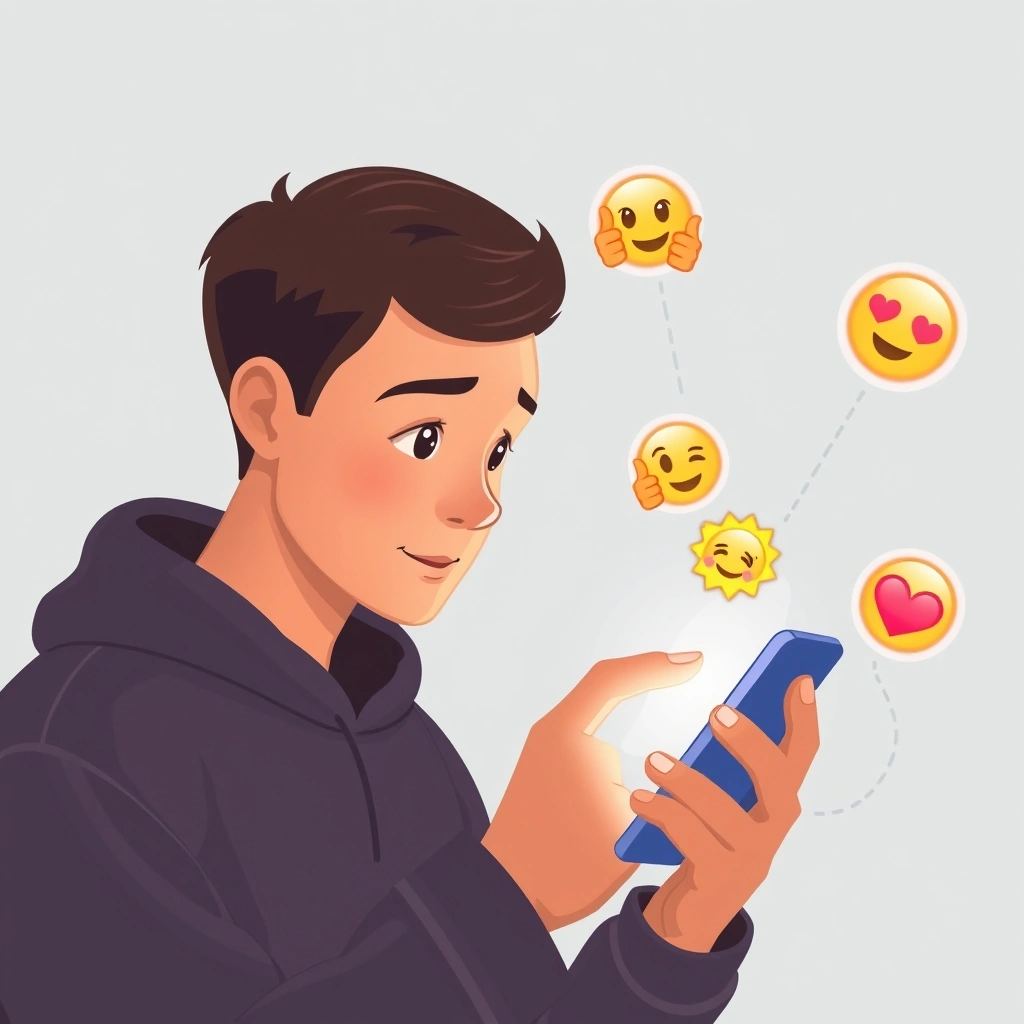
We do this instinctively, but paying attention to it reveals so much about how we communicate nuance now. Words are direct, but emoji sequences are impressionistic. They paint a feeling with broad, colorful strokes, and the order is the brushstroke direction.
The Power of the Pivot
Some of the most effective pairings use the second emoji to completely pivot the meaning of the first. This is often where irony or layered emotion lives. The fire emoji followed by a skull? That's "this is so amazing it killed me." Intense approval. But a skull followed by fire? That could easily slip into "this is so cringey it's deadly... but in a fascinating trainwreck way." The pivot creates complexity.
It reminds me of how longer emoji combinations create a whole mood. A pair is just the most concentrated form of this language. It's the haiku of digital expression.
This also explains why misunderstandings happen. You might send a winking face followed by a tongue-out face, intending playful, cheeky agreement. The recipient, reading the tongue-out face as the dominant final note, might interpret it as more dismissive or sarcastic than you meant. The context of your relationship and the preceding words act as the translator, but the emoji order is the text being translated.
There's a fascinating depth to these choices. We're not just picking icons; we're directing a micro-drama of emotion in two acts. The first emoji is the setup, the establishing shot. The second is the payoff, the reaction, or the subversion.
Exploring how sequences shape a chat's vibe shows this is part of a bigger, unspoken system. It's a grammar of feeling, developed in real-time by billions of people. And like any living language, it's flexible, contextual, and sometimes gloriously messy.
So next time you go to tap those two little icons at the end of your sentence, pause for a half-second. Think about the journey you want the reader to take. Do you want the smile to lead into the tear, or the tear to resolve into a smile? That tiny choice is you, being a poet of the pixel.
📒 Related Blogs
More...Emojis in Marketing: How Brands Connect & Speak Your Language Digitally
How Emojis Rewire Our Brains: The Hidden Psychology of Digital Tone
Beyond Text: How Emojis Transform Online Communication and Express Emotion
The Secret Sauce of Social Messaging: How Emojis Keep Conversations Fun and Light
From Viral Memes to Global Movements: How Emojis Chronicle Our Digital History
The Secret Sauce: How Emojis Make Your Short Group Chat Messages Feel Truly Intentional