The Secret Power of Emoji Pairs: How Two Tiny Icons Can Change Your Message's Heart

Mar 20,2026
Think about the last time you sent a simple 'okay' in a text. Did it feel a little cold? A little blunt? Now, think about sending 'okay' followed by a thumbs up. Or 'okay' with a heart. Suddenly, the entire feeling of your message shifts. That's the quiet magic of emoji pairs at work.
We often talk about individual emojis and their meanings, but the real nuance, the true emotional texture of our digital conversations, often lives in the combinations. A single emoji is a word; a pair is a sentence. Over countless messages, we've all developed an intuitive sense for how these duos soften or intensify our intent, especially in those short, quick-fire replies where words alone can fall flat.
Softening the Edges
Let's be honest, digital communication is fraught with potential for misunderstanding. Without a voice or a face, a plain text reply can easily be read as curt, annoyed, or disinterested. This is where emoji pairs become our best friends for adding a layer of warmth and mitigating potential friction.
Consider the classic period-ending sentence. 'I'll be there at 7.' It's a statement of fact. Now, look at 'I'll be there at 7 ' The clock and the smiling face work together to transform the message from a dry logistical update into a friendly, eager confirmation. The clock provides the concrete info, while the face provides the welcoming emotional context. The pair softens the transactional nature of the message.
Another powerful softener is the humble 'thanks' or 'sorry.' 'Thanks.' can feel obligatory. 'Thanks ' The heart-eyes or the folded hands adds a layer of genuine, heartfelt appreciation that the word alone might not convey. Similarly, 'Sorry ' feels much more sincerely remorseful than a lone 'Sorry.' The pleading or crying face amplifies the regret, making the apology feel more human and less like a typed formality.
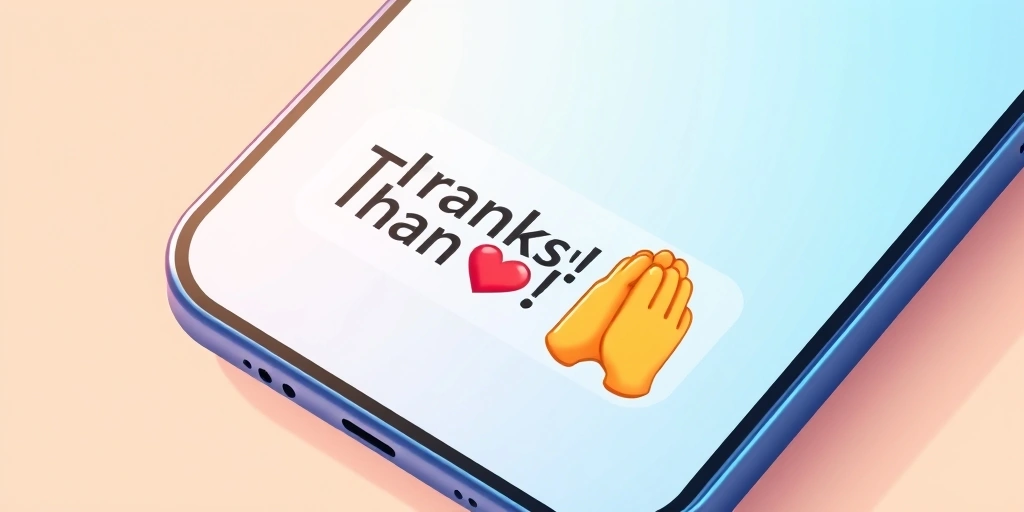
This concept of using pairs to add emotional padding is something we explore more in our look at the secret language of emoji pairs. It's a dance between the literal and the emotional, and we all know the steps, even if we've never consciously learned them.
Amplifying and Intensifying
On the flip side, emoji pairs are masters of amplification. They can turn mild interest into explosive excitement or simple agreement into strong, emphatic support. This is often where repetition or complementary symbols come into play.
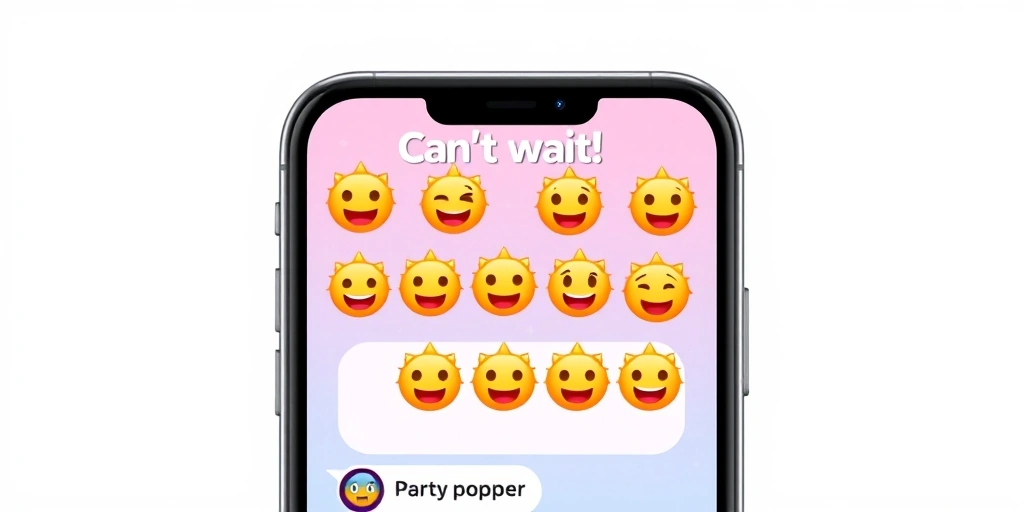
Take excitement. 'Can't wait!' is good. 'Can't wait! ' is better. But 'Can't wait! ' The pair of party poppers and the star-struck face creates a cascade of celebratory energy. One emoji says 'I'm excited,' but the pair shouts 'I'M THRILLED!' from the digital rooftops. They intensify each other, building a bigger, brighter emotional response.
Agreement is another area. 'Yes' is clear. 'Yes ' is positive. But 'Yes ' The double thumbs-up or the combination of the check mark and the strong arm muscle leaves no room for doubt. It's a resounding, powerful affirmation. The pair doesn't just state agreement; it embodies conviction and strength.
The Evolution of Meaning in Pairs
What's fascinating is how these pairings aren't static. Their meaning and impact evolve through collective use. A pairing that once felt novel or ironic can become mainstream and sincere. The context of the conversation, the relationship between the people texting, and even broader cultural trends all shape how a pair is received.
For instance, the skull emoji ( ) paired with crying-laughing ( ) has solidified into a shorthand for something being hilariously overwhelming or 'I'm dead from laughter.' On its own, the skull might imply danger or death, but in this specific, frequently used pair, its meaning is completely transformed by its partner. The pair creates a new, shared understanding that transcends the literal meaning of either icon.
This evolution is part of what makes emoji combinations such a rich, living language. To dive deeper into how sequences of icons shape your chat's overall vibe, check out our thoughts on the hidden language of emoji sequences.
Listening to the Visual Cues
So, how do we get better at this? It starts with paying attention. Notice the pairs that make you feel good when you receive them. What combination on a 'good morning' text actually makes you smile? Is it the sun and coffee? The flower and smiling face?
Also, notice the pairs that confuse you or feel off. Sometimes a mismatch happens—an emoji that intensifies when you meant to soften, or vice versa. That's okay. It's a language, and we're all learning. The key is intention. Before you hit send on a short reply, glance at your emoji pair. Do they work together to convey the tone you truly mean? Is the heart softening the request? Are the fireworks amplifying the congratulations?
In the end, emoji pairs are about connection. In a world of rapid-fire texts and fragmented conversations, they are our tools for injecting humanity, clarity, and heart. They are the subtle nods, the warm smiles, and the emphatic gestures of the digital world. They remind us that even in our shortest replies, there's always room for a little more feeling.
For more explorations into how we use these tiny icons to build bigger meanings, browse through our emoji & combinations blog category. The conversation is always evolving, just like our messages.
📒 Related Blogs
More...The Unspoken Language: How Emoji Combos Master Emotional Tone in Group Chats
The Group Chat Just Got Awkward. Here's How a Simple Emoji Can Fix It.
Beat Deadline Stress: How Emojis Smooth Out Professional Chats Under Pressure
The Viral Heartbeat: How Emojis Fuel the Spread of Reactions Online
The Gentle Art of the Emoji: How a Simple Symbol Can Soften a Short Text
The Unsung Heroes of Group Chats: How Emojis Keep Your Conversations on Track