The Secret Power of Emojis: How a Single Symbol Can Change a Conversation

Feb 12,2026
Think about the last post you scrolled past. Maybe it was a friend's announcement, a news headline, or a brand's latest update. The words told you the facts, but the emoji—or lack of one—told you how to feel about it. That tiny, colorful symbol did a lot of heavy lifting. It set the tone, hinted at the author's intent, and, most importantly, influenced how you and everyone else reacted.
This isn't just about being cute or trendy. When we communicate online, we're stripped of body language, tone of voice, and facial expressions. Emojis rush in to fill that void. They become the digital stand-ins for a wink, a sigh, or a raised eyebrow. And because of that, they hold immense power over public perception.
More Than Decoration: Emojis as Emotional Guides
Consider a simple post: "Just got the news." On its own, it's a blank slate. Is it good news or bad news? Are they excited or devastated? Now, add an emoji. "Just got the news 😊" versus "Just got the news 😔". Instantly, the entire meaning shifts, and so does the appropriate reaction from the audience. One calls for congratulations, the other for condolences. The emoji didn't just decorate the message; it defined it.
This guiding function is why brands and public figures are so careful with their emoji use. A misplaced symbol can spark backlash, while a well-chosen one can foster community and connection. It's a form of silent architecture, subtly building the framework for how a conversation will unfold in the comments and shares.
We often don't realize we're being guided. We see a post with a series of laughing-crying emojis, and we're primed to find it funny. We see a serious statement followed by a red heart, and we interpret it as sincere and heartfelt. The emoji acts as an invisible hand, steering our understanding and emotional response before we've even formed a conscious thought.
When Interpretation Goes Wrong
Of course, this power comes with risk. Emojis are not a universal language. Their meaning can change across cultures, generations, and even friend groups. The infamous thumbs-up 👍 might mean "okay" to one person and be seen as passive-aggressive to another. The grimace 😬 can signal awkwardness or shared pain.
This ambiguity is where public reactions can diverge wildly. A post intended as sarcastic, signaled by a certain emoji, might be taken at face value by half the audience, leading to confusion or offense. The gap between sender intent and public interpretation is where most digital misunderstandings are born, and emojis are often at the center.
The Ripple Effect on Platforms
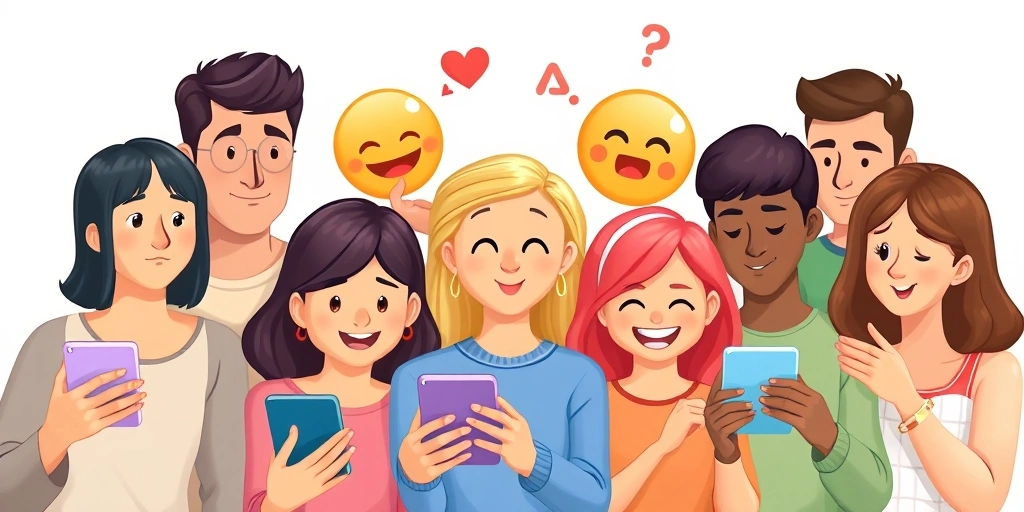
This influence extends beyond individual posts. On a macro level, the emojis that trend within a community or around a news event shape the narrative. During a global event, an influx of prayer hands 🙏 or broken hearts 💔 creates a collective mood of solidarity or grief. In a fan community, specific emojis become shorthand, creating a sense of insider belonging.
Platforms themselves have started to design around this. Reaction buttons (like Facebook's "Love," "Haha," "Wow") are essentially pre-packaged, standardized emoji responses. They channel user reactions into quantifiable data, but they also limit the nuanced spectrum of human emotion that a full emoji keyboard allows. The choice between a "like" and a "heart" is itself a reaction influenced by the original post's tone, often set by an emoji.
So, the next time you're about to hit "post," pause for a second on that emoji picker. You're not just adding a splash of color. You're placing an emotional signpost for your audience, gently nudging them toward how to feel and react. You're participating in the complex, unspoken dance of digital communication, where a single symbol can be the difference between a wave of support and a wave of confusion. It's a small act with a surprisingly large footprint on the social landscape.
For more on how these tiny visuals shape our digital world, explore our thoughts on emoji and social media.
📒 Related Blogs
More...When a Single Emoji Speaks Volumes: Excitement Amidst Uncertainty
Emoji Etiquette: Mastering Professional & Casual Communication
How Emojis Quietly Mend Fences in Your Group Chats
How Emojis Turn Everyday Chats into Something Lighter
The Secret Sauce of Social Messaging: How Emojis Keep Conversations Fun and Light