How Your Favorite Emojis Evolve with the Internet's Latest Trends

Feb 11,2026
Think about the last time you scrolled through your feed. A new dance challenge is everywhere, a political moment is being memed into oblivion, and a catchphrase from a show you've never watched is suddenly inescapable. Now, think about your emoji keyboard. It's not the same as it was a year ago, is it? The emojis we use don't exist in a vacuum. They are a direct, vibrant reflection of the platform-driven trends that pulse through the internet.
This evolution happens subtly, almost without us noticing. We don't sit down and decide to change our emoji vocabulary. Instead, it shifts organically, pulled along by the currents of what's happening online. A single viral event can repurpose an emoji overnight, giving it a new layer of meaning that spreads across Twitter, TikTok, and Instagram faster than any official dictionary update.
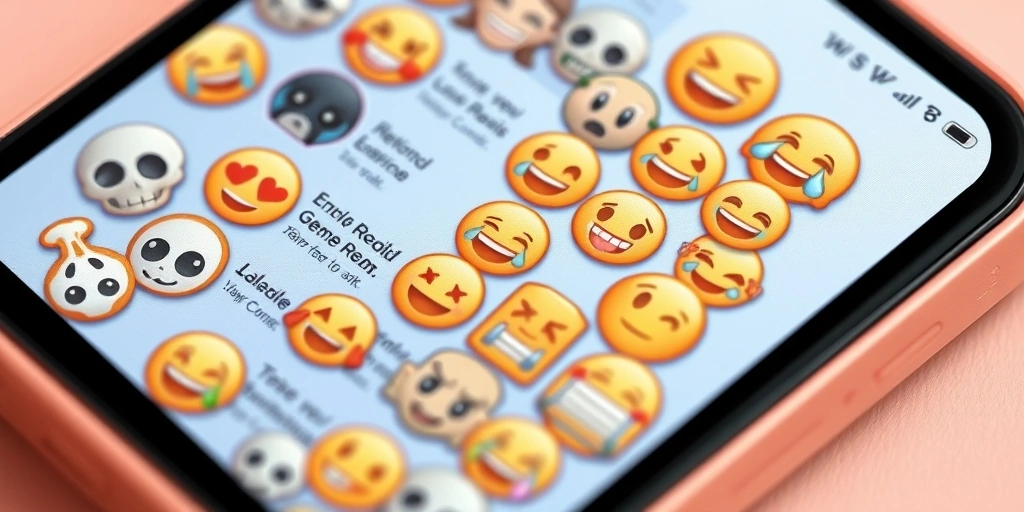
In the early 2010s, emoji use was more about literal representation. You used the pizza slice for pizza, the crying face for sadness. But as social media platforms matured, so did our use of these symbols. Platforms like Twitter, with its character limit and rapid-fire conversations, encouraged using emojis as shorthand for complex emotions or reactions. The "face with tears of joy" 😂 became the universal stamp of approval for something funny, partly because it was one of the first emojis easily accessible on many keyboards and perfectly captured the tone of internet humor.
Then came the era of the meme-driven emoji. This is where platform culture truly takes the wheel. A specific emoji gets paired with a viral image or concept, and its meaning is permanently altered within certain communities. The skull 💀 emoji is a prime example. Once a symbol for death or danger, it was adopted by online communities to mean "I'm dying of laughter" or "this is so hilariously bad it killed me." This meaning didn't come from a Unicode committee; it emerged from how people were using it in replies and memes on platforms like Twitter and TikTok.
Platforms themselves are active architects in this trend. When Instagram introduces a new "Reels" feature or TikTok highlights a specific audio clip, the emojis used to engage with that content surge in popularity. Comment sections become a gallery of trend-specific emoji reactions. Furthermore, platform-specific cultures develop their own emoji dialects. You might use a different set of emojis in a professional LinkedIn comment than you would in a chaotic Discord server about your favorite game. Each platform's design, audience, and norms shape the emoji language that flourishes there.
Official updates from the Unicode Consortium, which approves new emojis, often play catch-up with what's already happening online. By the time a "face holding back tears" 🥹 or a "melting face" 🫠 is standardized, the internet has often already created a need—and a temporary workaround—for expressing those precise feelings. The trends create the demand, and the official emoji set eventually responds. You can see more about how these cultural moods are captured in our piece on decoding the digital heartbeat of emojis.
The lifecycle of a trend emoji is fascinating to watch. It often starts in a niche community, gains momentum through viral sharing, reaches peak saturation (where you see it absolutely everywhere), and then either settles into the mainstream lexicon or fades away, replaced by the next big thing. The "100" 💯 emoji had its moment as a mark of authenticity. The "eyes" 👀 emoji became the go-to for "I'm watching this closely" or signaling gossip. Their prominence was directly tied to trending topics and how people on platforms like Twitter used them to participate in a conversation.
This constant evolution means that emojis are a living language. To understand them, you can't just look at a static chart from 2015. You have to pay attention to the news, the memes, the latest streaming hit, and the conversations unfolding on the platforms you use. The meaning of an emoji in your text isn't just about the icon itself; it's about the shared cultural moment you and the recipient are both living through. For a deeper dive into how specific events reshape our emoji language, explore our article on how viral moments rewrite our emoji language.
So, the next time you go to tap an emoji, take a second to think about why that one feels right. Chances are, its journey to your fingertips was guided by a viral tweet, a popular audio clip, a news cycle, or a new feature on your favorite app. Our emojis are tiny, colorful witnesses to the time we live in online, constantly adapting to help us express the ever-changing story of internet culture.
📒 Related Blogs
More...Emoji Across Cultures: Global Meanings & Interpretations Explained
Unlock Smoother Work Chats: How Emojis Are Revolutionizing Professional Messaging
The Secret Life of Emojis: How Viral Moments Reshape Our Digital Language
Decoding New Emojis: A Guide to the Latest Additions & Their Meanings
From Words to Winks: How Emoji Pairs Are Quietly Replacing Our Sentences
Mastering Emoji Etiquette: Use Emojis Effectively in Digital Communication