How Viral Moments Rewrite Our Emoji Language

Feb 10,2026
Think about the last time you scrolled through your feed during a major news event or a pop culture explosion. Chances are, your timeline wasn't just filled with words. It was a mosaic of tiny pictures—a specific emoji repeated, repurposed, and loaded with new meaning. This isn't an accident. It's how our online culture breathes and evolves in real-time.
Emojis have become our most immediate emotional shorthand. But during a viral moment, they stop being just personal expressions. They morph into communal symbols, a way for millions of strangers to nod in agreement, sigh in frustration, or laugh in unison without typing a single word. It’s a fascinating, organic process that reveals how we collectively process the world around us.
The Birth of a Shared Symbol
It often starts subtly. Someone uses an emoji in a novel, contextually perfect way to comment on a breaking story. It resonates. It gets retweeted, quoted, and screenshotted. Before you know it, that emoji is inseparable from the event itself. It’s no longer just a picture; it’s a badge of awareness, a ticket into the conversation.
Remember the brief, glorious era of the ‘person facepalming’ emoji during a particularly chaotic political season? Or how the simple red heart became a global symbol of support and solidarity during times of crisis? These weren't dictated by any official guide. They were born from the collective need to express a complex, shared feeling more efficiently than text ever could.
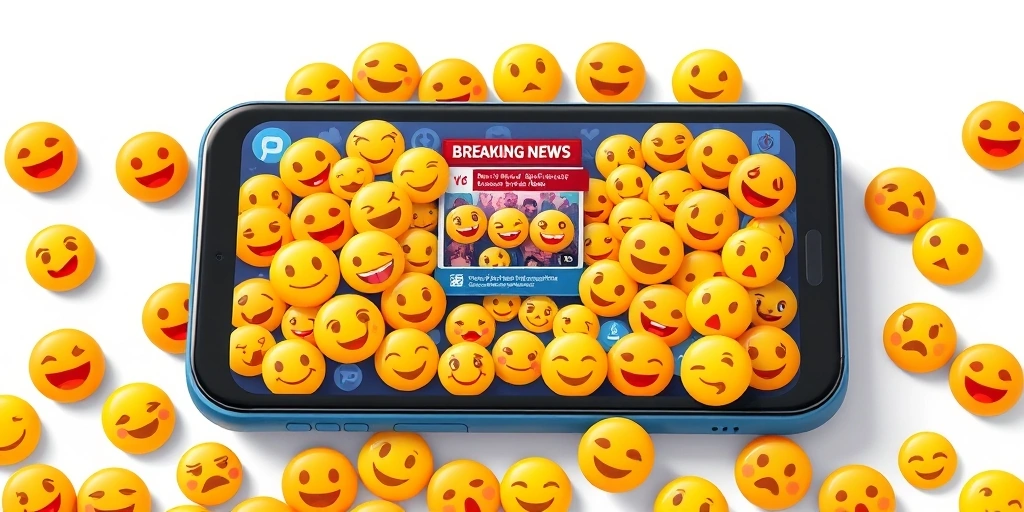
This phenomenon is deeply tied to the nature of viral content itself. When information spreads at lightning speed, our language needs to keep up. Emojis, with their visual immediacy, are perfectly suited for the job. They cut through the noise. A single emoji in a reply can convey your stance, your mood, and your cultural awareness all at once. It’s a dense packet of meaning, delivered in a split second.
From Meme to Mainstream Vocabulary
What’s even more interesting is when these viral emoji uses stick. Some fade with the news cycle, but others graduate from temporary meme to permanent part of our digital lexicon. The ‘pleading face’ emoji, for instance, evolved from a symbol of begging to a versatile tool for expressing everything from desperate want to playful guilt. Its meaning was stretched and shaped by how millions used it in countless viral jokes and relatable posts.
This is where we see emojis acting as a living record, a kind of shared internet diary. Look back at the dominant emojis of any given year, and you’ll get a surprisingly accurate snapshot of the online mood, the biggest stories, and the jokes that brought us together. They are the emotional fossils of our digital age.
Of course, this fluidity can lead to confusion. Sending an emoji to someone not plugged into the same online spaces can result in a total miscommunication. The ‘clown face’ 🤡 isn’t just about circuses anymore—it’s a widespread label for foolishness or hypocrisy. Using it in its original context might earn you a very confused look from a relative. This creates in-groups and out-groups, defining digital communities by their shared understanding of these visual cues.
More Than Just a Reaction
During viral moments, emojis also become tools of participation and activism. They are a low-barrier way to join a cause, show support, or add your voice to a chorus. Changing your profile picture to include a specific filter overlay framed by relevant emojis, or flooding a comment section with a symbol of protest, turns individual pixels into a powerful collective statement.
This isn't just about trends; it's about how we build identity and community online. The emojis we choose to amplify during these times signal our values, our sense of humor, and our tribe. They help us find our people in the vastness of the internet.
The cycle is continuous. A new event emerges, the online hive mind gathers, and our palette of tiny pictures gets tested, twisted, and sometimes permanently altered. It’s a beautiful, chaotic testament to human creativity and our desire to connect. Our emoji keyboards are less like static toolkits and more like living clay, constantly being reshaped by the hands of the culture itself.
To dive deeper into how these symbols shape our interactions, explore more on emoji culture and trends. The next time you see an emoji start to trend, watch it closely. You’re not just seeing a meme; you’re witnessing the real-time evolution of how we talk, feel, and belong together online.
📒 Related Blogs
More...The Tiny Peacekeepers: How Emojis Calm Unexpected Reactions in Chat
The Unspoken Language: How Emojis Casually Shape Our Daily Chats
The Emoji Filter: How a Simple Icon Can Change Your Entire Argument
Mastering Emoji Etiquette: What NOT to Do in Digital Communication
Emoji Etiquette: Mastering Professional & Casual Communication
The Ever-Shifting Emoji Landscape: How Digital Trends Reshape Our Favorite Icons