Oops! Did My Emoji Just Make Things Weird? Navigating Awkward Digital Moments

Mar 05,2026
It happens to the best of us. You're typing away, crafting a perfectly normal message, and you decide to add an emoji for a little extra flavor. A smiley face to soften a request. A laughing-crying emoji to show you're joking. You hit send, feeling good about your clear, friendly communication. Then... nothing. Or worse, a reply that feels off, a little cold, or downright confused. That sinking feeling hits your stomach. Did my emoji just make things weird?
In our fast-paced digital world, emojis are our shorthand for tone, emotion, and intent. They're the body language of our texts and DMs. But just like a misunderstood gesture in real life, an emoji can sometimes land completely wrong, creating moments of pure digital awkwardness.
The Tone Trap: When Friendly Feels Sarcastic
One of the biggest culprits is the simple smile. What you intend as a warm, genuine "thanks! :)" can sometimes be read as passive-aggressive or even sarcastic, especially in more formal or tense contexts. The person on the other end might wonder, "Are they actually happy, or are they mad and just being nice about it?" This ambiguity is a breeding ground for awkwardness. It turns a simple exchange into a mini-mystery, where both parties are left second-guessing the subtext.
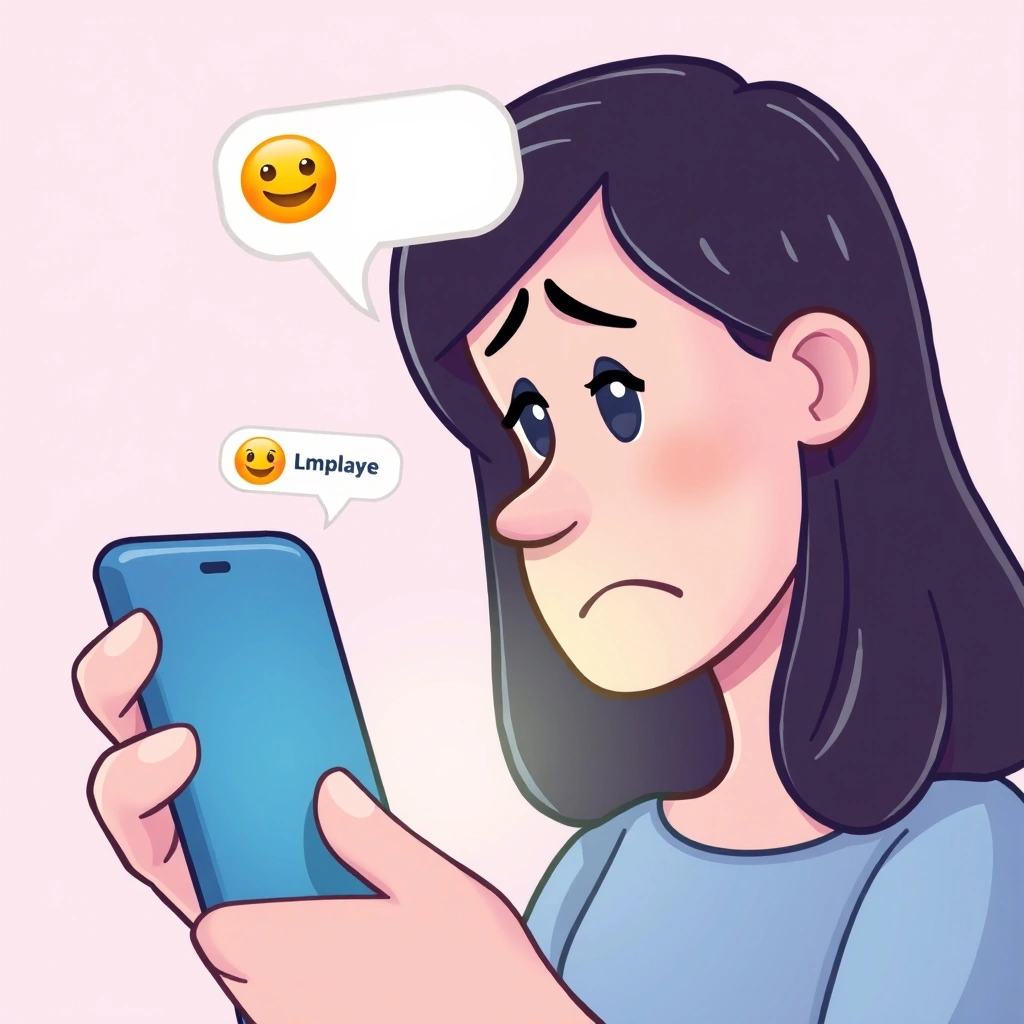
This isn't about blame. It's about the inherent gap in our digital communication. We lack the vocal inflection, the facial expression, and the immediate feedback that comes with face-to-face talk. An emoji tries to bridge that gap, but it's a one-size-fits-all solution in a world of nuanced emotions. For more on navigating professional communication, you might find this article on the professional emoji paradox really helpful.
The Generational and Cultural Divide
Awkwardness also blooms in the spaces between different emoji "languages." The emoji that means "cool" to you might mean something entirely different to an older relative or a friend from another country. The classic "thumbs up," for instance, is a positive sign for many, but can be considered rude or dismissive in some cultures. Sending a string of heart emojis might feel perfectly normal to one person and overly intimate to another.
When these interpretations clash, the result is often a quiet misunderstanding. One person feels they've expressed warmth and approval, while the other feels confused or even slighted. It's a silent, invisible misstep that can subtly change the tone of a relationship.
The Overcompensation Spiral
Then there's the reaction to the awkwardness itself. You sense a chill after your message. Maybe the reply was short, or maybe there was no reply at all. The anxiety sets in. So what do you do? Many of us panic and send a follow-up message, often loaded with even more emojis to "fix" the tone.
"No, seriously, I was joking! 😂🤣" or "I meant that in the nicest way possible! 🥺💖" This can accidentally amplify the awkwardness, making a small moment feel like a big deal. You're now not just communicating about the original topic, but also about the meta-conversation of "did I offend you?" which can put the other person in an uncomfortable position.
When Privacy is an Illusion
Awkward moments can escalate quickly when a message is seen by more eyes than intended. You might send a playful, emoji-filled tease meant for one friend in a private message, only to realize you sent it to a group chat—or, in a true nightmare scenario, to the person you were joking about. The context collapses instantly. What was an inside joke becomes a public spectacle, and the emojis that felt funny in private now feel cringe-worthy and mean-spirited under the spotlight of a wider audience. It's a stark reminder that our digital words (and pictures) have a long lifespan. You can read about a similar scenario in this piece on emoji replies going public.
Moving Past the Awkwardness
So, what do we do? Do we abandon emojis altogether? Of course not. Their value in adding warmth and clarity far outweighs the occasional misstep. The key is mindful use.
First, consider your audience and the context. A string of party emojis is great for a friend's birthday text but might not be the best choice for a condolence message. Second, when in doubt, sometimes words are better. A clear "I'm saying this jokingly!" or "I really appreciate this" can eliminate ambiguity that an emoji might introduce.
And finally, give grace—both to yourself and others. If you feel an emoji caused a weird moment, it's often okay to address it lightly. A simple "Hey, I hope that came across as friendly!" can clear the air. If you're on the receiving end and feel confused, asking for clarification ("Just checking, did you mean that playfully?") is always better than silently assuming the worst.
Emojis are a wonderful, evolving part of how we connect. They're not going anywhere. The awkward moments they sometimes create are just growing pains in our shared digital language. By being a little more aware and a little more forgiving, we can all get better at sending—and receiving—the vibe we actually mean. For more stories and tips on emoji slip-ups, explore our collection of posts on emoji mistakes and misuse.
📒 Related Blogs
More...How Emojis Became Our Silent, Everyday Conversation
Unlocking the Code: How Emoji Pairs Secretly Reshape Your Social Media Comments!
The Quiet Sigh: How Emojis Express Relief in Our Most Emotional Moments
The Instant Pulse: How Emojis Light Up Viral Trends and Platform Moments
Beat Deadline Stress: How Emojis Smooth Out Professional Chats Under Pressure
Emoji's Emotional Shortcut: Understanding Instant Judgments in Digital Chat