The Professional Emoji Paradox: When Your Friendly Text Backfires

Feb 13,2026
You know the feeling. You're wrapping up an email to a colleague or sending a quick message in the team chat. You want to sound friendly, approachable, and positive. So, you add a smiley face. Or maybe a thumbs up. It feels like a digital handshake, a way to soften the text and say, "Hey, we're on the same team here."
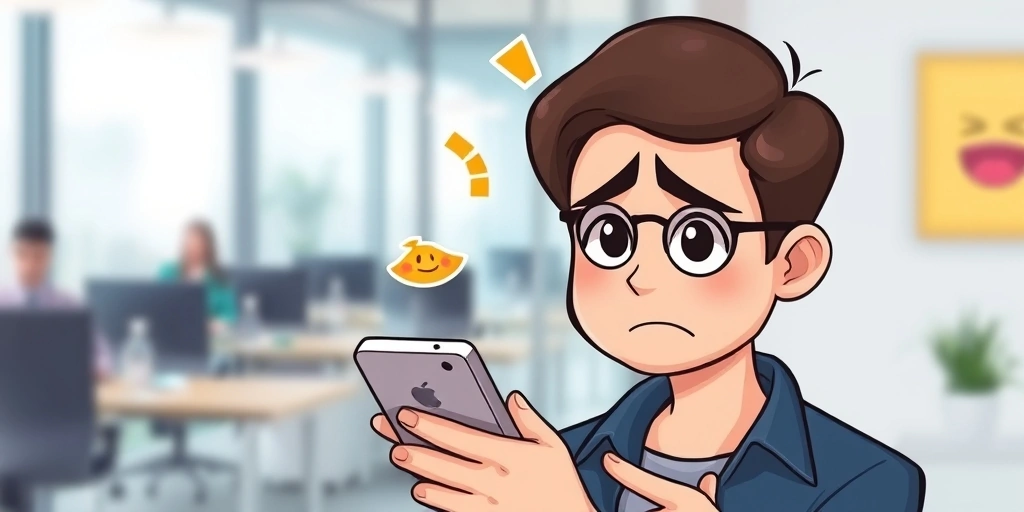
But then... silence. Or a reply that feels oddly cold. Or worse, a follow-up question that makes it clear your message was taken completely the wrong way. What happened? Your well-intentioned emoji missed its mark.
This is the professional emoji paradox. We use these tiny icons to build connection and prevent misunderstanding, yet they are one of the most common sources of digital miscommunication in the workplace. The gap between what you mean and what the other person reads can be surprisingly wide.
Why the Disconnect Happens
It's not just about personal preference. Several factors collide in professional messaging to create this perfect storm for misinterpretation.
First, there's the lack of shared context. With friends, you have a history of inside jokes and understood tones. At work, especially with new contacts, clients, or senior leadership, that shared history doesn't exist. A winking face 😉 meant as playful to you might read as unprofessional or even sarcastic to them.
Second, professional communication often carries higher stakes. A simple "We need to talk 😬" can send someone into a spiral of anxiety about their job performance, whereas you just meant to flag a minor project hiccup. The emoji amplifies the emotional weight, for better or worse.
Finally, generational and cultural differences in emoji use are very real. What's a harmless shorthand to a Millennial or Gen Z worker might seem frivolous or confusing to someone from an older generation or a different cultural background where business communication remains very formal. This isn't about right or wrong; it's about recognizing that your emoji dictionary isn't universal.
For a deeper dive into why these mix-ups are so common, check out our post on The Emoji Enigma.
Common Culprits in the Professional World
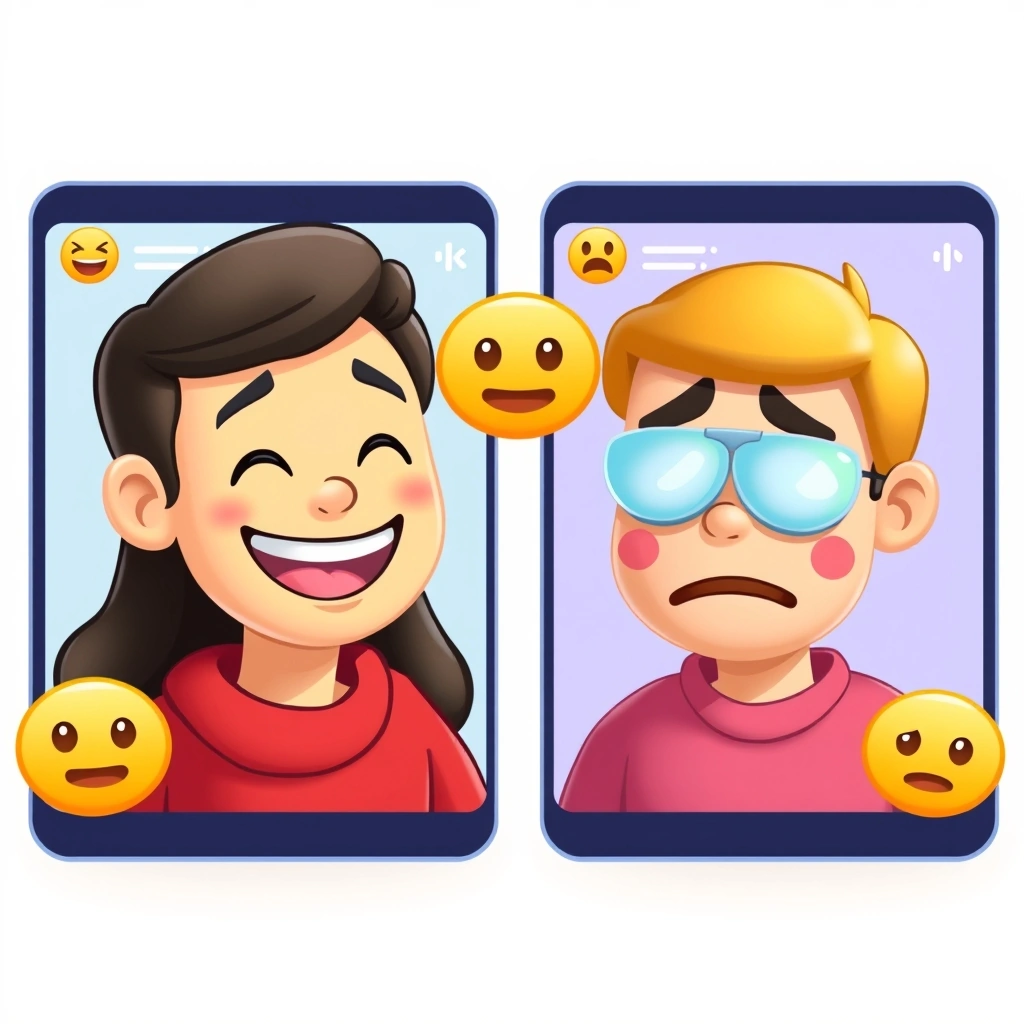
Some emojis are repeat offenders. Let's look at a few that frequently cause more problems than they solve in work chats.
The classic Thumbs Up 👍. You use it to mean "Got it," "Agreed," or "Thanks." But it can very easily be interpreted as dismissive, passive-aggressive, or a conversation-ender. It lacks the warmth of "Sounds good!" or "Thank you!"
The Face with Tears of Joy 😂. This might be your go-to for something funny in a casual team channel. But in a chain discussing a client's serious feedback or a project delay, it can look wildly inappropriate and like you're not taking the matter seriously.
The Winking Face 😉 and Tongue-Out Face 😛. These are high-risk emojis. Intended playfulness can be misread as flippancy, sarcasm, or even unprofessional flirtation. It's often safer to use words to convey a lighthearted tone.
The Prayer Hands 🙏. You might mean "thank you" or "I hope this works out." Others might read it as "I'm praying for you," which can feel oddly personal or religious in a secular work context.
Understanding these pitfalls is key. We explore the unintended consequences of seemingly positive emojis in The Hidden Cost of a Smiley Face.
Bridging the Gap: Tips for Smarter Emoji Use
This doesn't mean you need to banish emojis from your professional life. They can build rapport and humanize digital communication. The key is intentionality.
Read the Room (or the Chat). Match the formality of the channel and the recipient. A quick Slack with your close teammate is different from an email to the entire company or a message to an external client you've never met.
When in Doubt, Spell it Out. If you're worried an emoji might be misread, use words instead. "That's funny!" is clearer than 😂. "I appreciate your hard work on this" is more meaningful and less risky than a lone 🙏.
Use Emojis as Enhancers, Not Replacements. Don't let an emoji carry the entire emotional weight of your message. Use it to reinforce a tone you've already established with words. "Great job on the presentation! 👏" works better than just "👏".
Observe and Adapt. Pay attention to how others in your workplace, especially leaders and respected colleagues, use emojis. It's a good indicator of the accepted cultural norms on your team or in your company.
At the end of the day, professional emoji use is a skill, much like writing a clear email or leading a meeting. It requires empathy and awareness that your intent might not always land as planned. By being a bit more mindful, you can harness the connective power of emojis without accidentally setting off a professional misunderstanding. For more insights on navigating these digital nuances, explore our full collection of articles on emoji mistakes and misuse.
The goal isn't to communicate robotically, but to communicate effectively. Sometimes, that means choosing the perfect emoji. And sometimes, it means knowing that the safest and clearest tool you have is still just words.
📒 Related Blogs
More...The Secret Language: How Emojis Instantly Bridge Emotional Gaps in Digital Chats
Unlocking the Secret Language: How Emoji Pairs Transform Your Digital Conversations
The Fascinating History of Emojis: From Kaomoji to Global Phenomenon
The Unsung Heroes of Work Chat: How Emojis Make Your Slack Messages Land Perfectly
Beyond Words: How Emojis Make Routine Check-ins Effortless & Heartfelt
The Silent Language: How Emojis Fill the Gaps in Our Daily Texts