The Emoji Gap: When Your Friendly Text Creates Professional Confusion

Mar 21,2026
It starts with the best intentions. A thumbs-up to acknowledge a request. A smiling face to soften feedback. A clapping emoji to celebrate a colleague's win. In our personal chats, these tiny pictures are the glue that holds our tone together. But paste that same glue into a professional email or a team Slack channel, and sometimes it just doesn't stick the way we hoped.
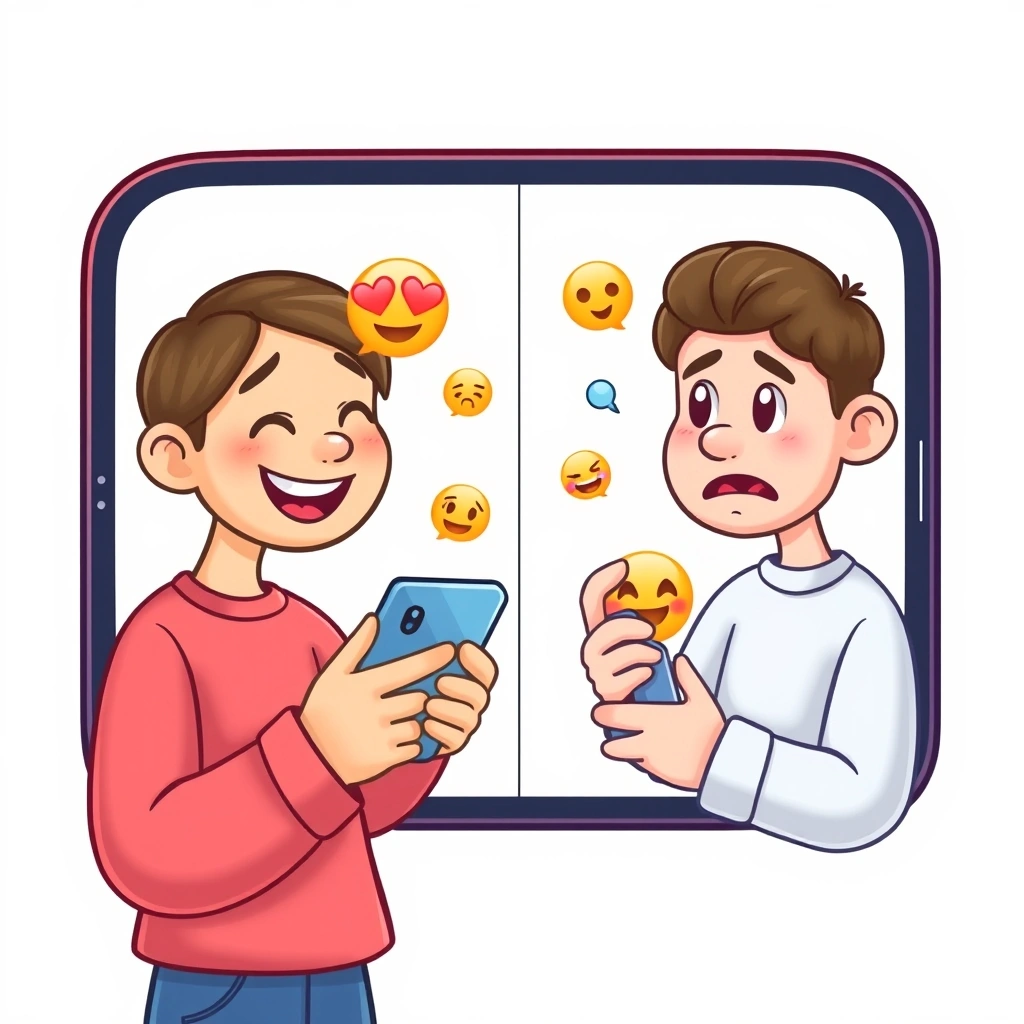
This isn't about emojis being 'unprofessional.' That debate is, frankly, a bit outdated. It's about something subtler and far more common: the gap between what we mean when we send an emoji and how it's interpreted by the person on the other side of the screen. In the fast-paced world of work messaging, that gap can widen into genuine confusion.
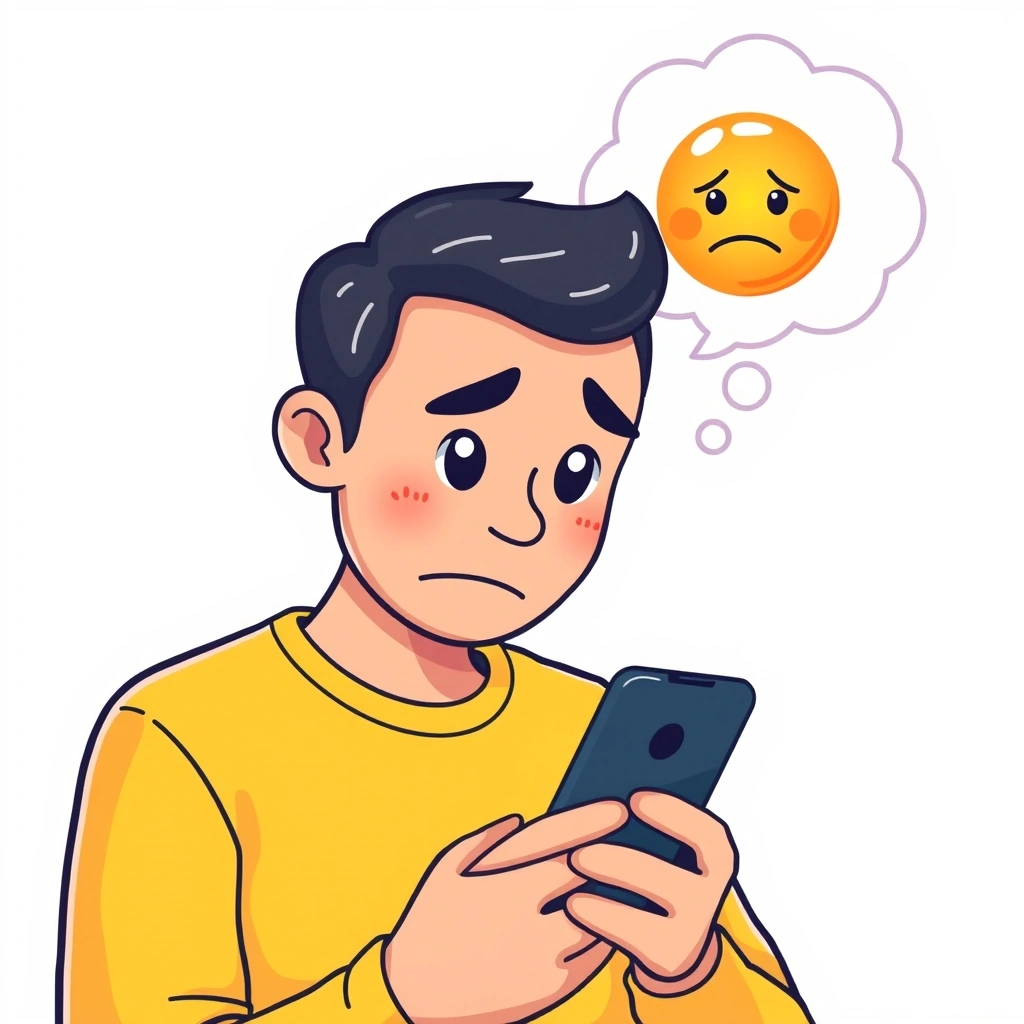
Think about the classic 'smiling face with smiling eyes' 😊. To you, it's warmth, approachability, a digital 'no hard feelings.' To a stressed-out colleague receiving it after a question about a missed deadline, it might read as dismissive, or even sarcastic. The emoji hasn't changed; the context has warped its meaning entirely. We often use emojis as tone insurance, but in professional settings, that policy sometimes fails to pay out.
The Context is Everything (And You Can't Control It All)
When you're messaging a close friend, you share a vast library of shared experiences and inside jokes. They know your sarcasm, your genuine praise, your playful teasing. Your professional relationships, while valuable, often don't have that same deep foundation. Your manager, a client, or a teammate from another department is reading your message through the lens of their own current stress, their company culture, and their personal emoji dictionary.
A winking face 😉 intended as a playful nudge can be misconstrued as unprofessional or overly familiar. The 'face with rolling eyes' 🙄, even if you're using it to express shared frustration at a software bug, can easily come across as disrespectful. The person receiving it wasn't in your head when you hit send; they only have the pixels on their screen and their own interpretation.
This divergence between intent and interpretation is at the heart of so many digital misunderstandings. For more on how emojis can twist your intended tone, you might find this exploration of the unseen traps of emoji tone really insightful.
When Efficiency Clashes with Clarity
A big part of the problem is the medium itself. We use messaging for speed and efficiency. We're juggling tasks, and an emoji feels like a quick way to convey nuance without typing a whole paragraph. But that very efficiency strips away the other cues we rely on in face-to-face conversation: the vocal inflection, the facial expression, the body language.
An emoji is asked to carry a tremendous tonal load all by itself. In a personal context, that's usually fine. In a professional one, where stakes are higher and relationships are more formalized, that single emoji can buckle under the pressure. What was meant as a shortcut becomes a detour into confusion.
This doesn't mean you need to purge emojis from your work communications. That would be like deciding never to use facial expressions in a meeting. It's about developing a little more awareness. It's about pausing for half a second before you add that emoji and asking: 'Is my intent crystal clear here? Could this be read another way given the context?'
Sometimes, the safest bet is to use words. Instead of just a thumbs-up 👍, try 'Got it, thanks!' Instead of a lone smiling face 😄 after giving feedback, try 'Thanks for sharing this—I appreciate you putting it together.' The emoji can then complement the words, rather than having to do all the heavy lifting alone.
Navigating the line between friendly and formal is a constant challenge in digital workplaces. If you're interested in other common pitfalls, our category on emoji mistakes and misuse has more stories and reflections.
At the end of the day, emojis in professional settings are a language we're all still learning together. They're powerful tools for connection, but like any tool, they require a bit of care in how they're used. The goal isn't to be afraid of them, but to use them in a way that bridges understanding, rather than accidentally creating a new puzzle for your colleagues to solve. The next time you go to add that emoji to a work message, see it not just as a fun icon, but as a small ambassador of your intent. Make sure it's sending the right message.
📒 Related Blogs
More...The Silent Language: How Emojis Keep Our Everyday Conversations Flowing Smoothly
Unlock Smoother Work Chats: How Emojis Are Revolutionizing Professional Messaging
Beyond Words: How Emojis Master the Art of Short and Sweet Daily Chats
Emojis: The Universal Language Breaking Down Communication Barriers
The Unspoken Moderators: How Emojis Steer the Conversation in Online Communities
Beyond Words: How Emojis Make Routine Check-ins Effortless & Heartfelt