The Hidden Power of Emojis: How Tiny Icons Shape Our Digital Conversations

Feb 17,2026
The Unspoken Language in Our Pockets
Think about the last text you sent. Did it include a smiley face, a thumbs up, or maybe a heart? Chances are, it did. In the fast-paced world of digital chats, where we often communicate in short bursts, words alone can feel stark and incomplete. Emojis have quietly become the glue that holds our intentions together, filling the emotional void left by the absence of tone of voice and body language.
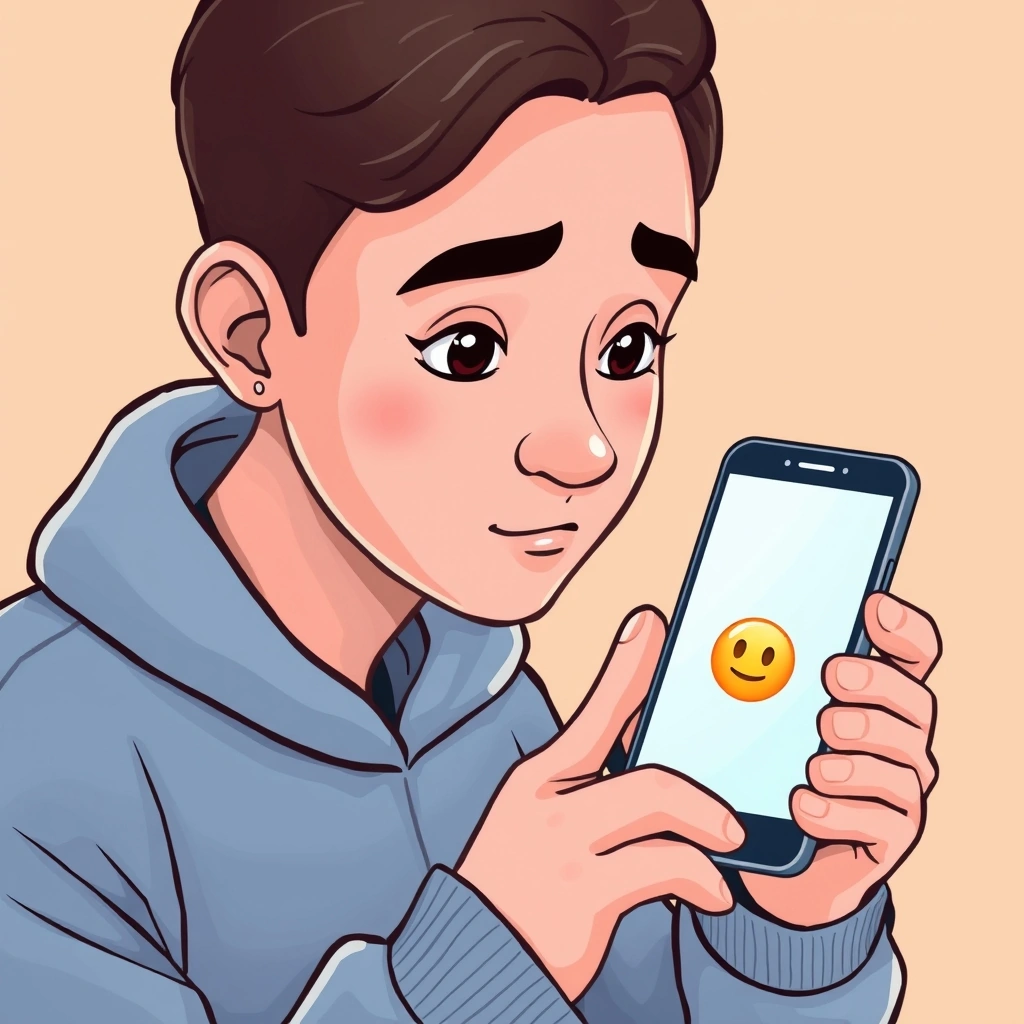
When we strip away the face-to-face cues we rely on in person, our messages become vulnerable to misinterpretation. A simple "okay" can be read as agreeable, passive-aggressive, or downright cold, depending on the recipient's mood and context. This is where that tiny, colorful icon steps in. It acts as a signal flare for our intent, guiding the reader toward the correct emotional wavelength.
More Than Just Decoration
It's easy to dismiss emojis as frivolous decorations, but their impact is deeply psychological. They function as cognitive shortcuts. Our brains process images faster than text, so an emoji delivers an immediate emotional payload. Seeing a crying-laughing face at the end of a sentence tells your brain, "This is humorous," long before you've fully analyzed the words. This speed is crucial in short messages, where we don't have the space for lengthy clarifications.
Furthermore, emojis don't just clarify; they actively shape perception. A message ending with a period might feel final and serious, but swap that period for a winking face, and the entire sentiment shifts toward playfulness. The same factual statement—"Great job on the report"—can feel genuinely warm with a clapping hands emoji or sarcastically biting with a slow clap emoji. The words are identical, but the perceived meaning is worlds apart.
The Fine Line Between Clarity and Confusion
Of course, this power comes with responsibility. The same emoji can mean different things to different people or across generations. A skull emoji might signify "I'm dead from laughter" to one person and literal mortality to another. This potential for ambiguity means that while emojis are powerful tools for clarity, they aren't a perfect universal language. Their meaning is often negotiated within the context of a specific relationship or cultural group.
Their primary strength, however, lies in mitigating the classic pitfalls of digital talk. They are, in many ways, the tiny heroes of clarity. They soften a blunt request, add warmth to a congratulatory note, and provide the sarcastic edge that plain text fails to convey. In a short message, where every character counts, an emoji can do the heavy lifting of an entire emotional paragraph.
Building Bridges in a Text-Based World
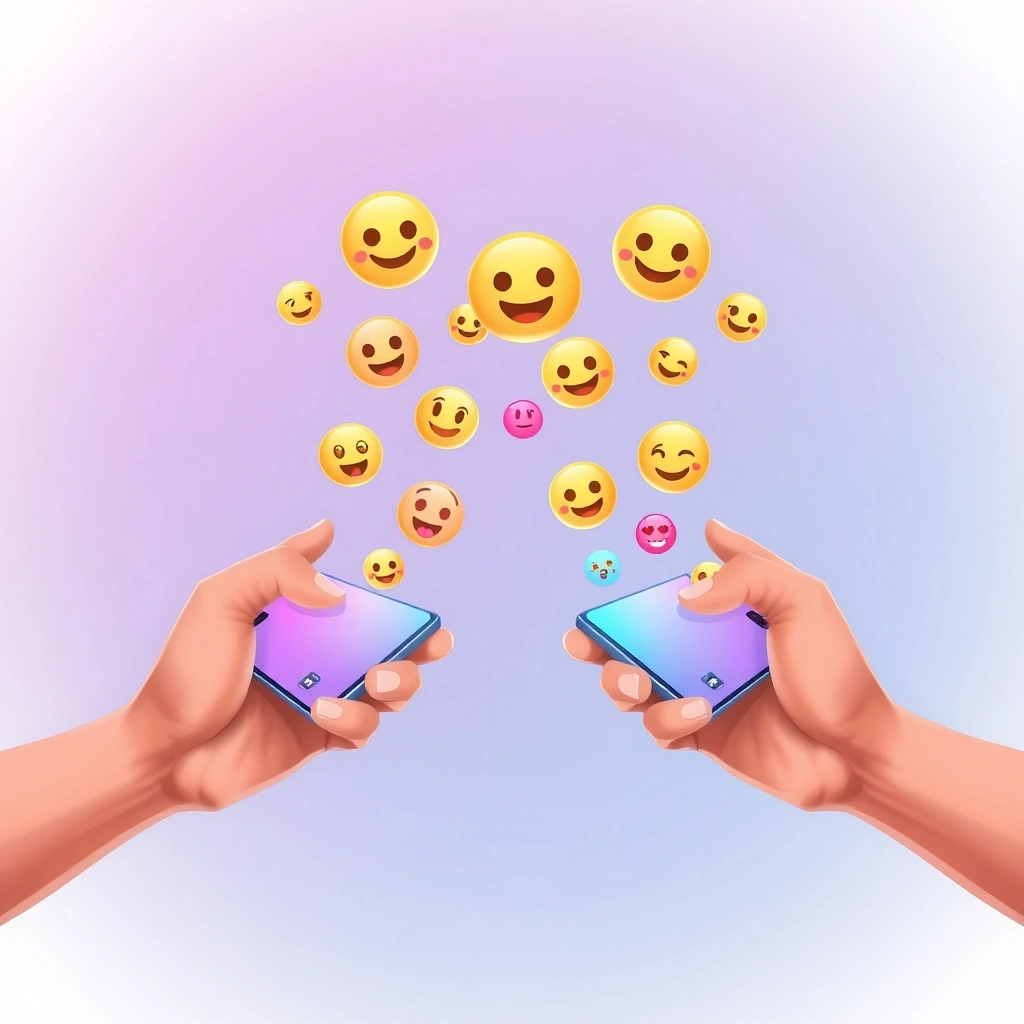
On a deeper level, the use of emojis fosters a sense of connection and empathy. In professional settings, a well-placed emoji can make a manager seem more approachable. Among friends, they reinforce in-jokes and shared emotional states. They allow us to be more fully human in a medium that is, by its nature, somewhat impersonal. By injecting tone and feeling, they help build and maintain the social bonds that pure text can sometimes erode.
This emotional signaling is a fascinating area of emoji psychology. When we choose a red heart over a yellow one, or a grinning face over a slight smile, we're making nuanced decisions about how we want to present ourselves and how we want the other person to feel. It's a form of micro-expression, digitized and sent across the world in an instant.
As our communication continues to shrink into notifications and quick replies, these small icons carry an ever-greater burden of meaning. They are no longer just fun additions but essential components of how we understand each other. They remind us that behind every screen is a person, with feelings and intentions that sometimes need a little visual help to shine through. It's remarkable to consider how much weight a single, pixelated symbol can now bear in the delicate dance of human connection.
📒 Related Blogs
More...The Daily Glue: How Emojis Keep Your Everyday Chats Warm and Friendly
The Slow Fade: How Emojis Quietly Show Our Disappointment
The Hidden Power of Emojis in Your Private Chats
The Secret Sauce of Smiles: How Emojis Effortlessly Elevate Playful Chats
Unlock Smoother Work Chats: How Emojis Are Revolutionizing Professional Messaging
The Quiet Sigh: How Emojis Express Relief in Our Most Emotional Moments