The Quiet Language of Emojis: Navigating Sensitive Topics in Silent Chats

Mar 09,2026
We've all been there. The cursor blinks in the text box, a stark reminder of the words we're trying to form. The topic is heavy, personal, or just plain awkward. You want to reach out, but the right words feel like they're made of stone. In these moments, our thumbs often hover, not over letters, but over that colorful grid of faces, hearts, and objects.
It’s in these quiet, sensitive message threads that emojis stop being just fun decorations. They become something else entirely: tiny emotional airbags, softeners for hard news, or silent nods of understanding. They do the work that words sometimes can't.
Think about sending a difficult update. "I can't make it tonight, something came up." It feels cold, maybe even dismissive. But add a single weary face or a pleading pair of hands, and the entire tone shifts. It’s no longer just a statement; it’s an admission of stress, a silent plea for understanding. The emoji carries the emotional subtext that the plain text lacks.
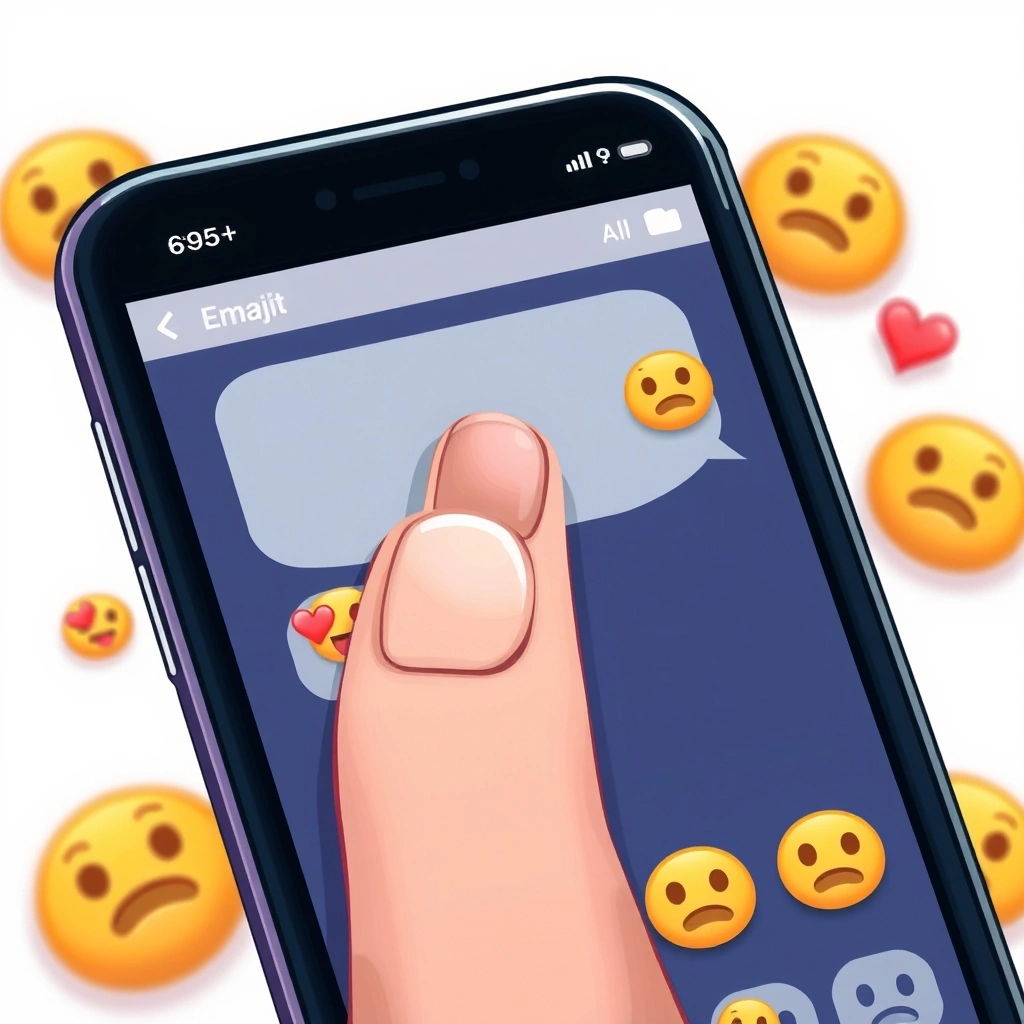
This is especially true when we're offering support from a distance. A friend shares a struggle in a late-night text. You type out "I'm so sorry, that sounds really hard," but it can feel generic. Tacking on a heart or a face with a gentle, concerned expression injects a warmth that the digital void often swallows. It’s a visual hug, a way to say, "I see your pain, and I’m here with you in it," without having to spell it all out. It bridges the gap where our physical presence can't.
The power isn't just in softening our own messages, but in interpreting the silent cues from others. When someone replies to a vulnerable message with just a red heart or a single tear, it can feel more profound than a paragraph of reassurance. They’re meeting your emotion with emotion, directly. There’s a beautiful efficiency to it, a way of communicating depth without dissection. It allows the feeling to sit in the space between you, respected and held, not picked apart with more words.
Of course, this quiet language isn't foolproof. A misplaced emoji can misfire spectacularly. But in the context of established, caring relationships, its intent is usually clear. We learn each other's emoji dialects—knowing that when they use *that* particular sad face, it means they're really struggling, or that the laughing-crying emoji after bad news is their way of coping with absurdity.
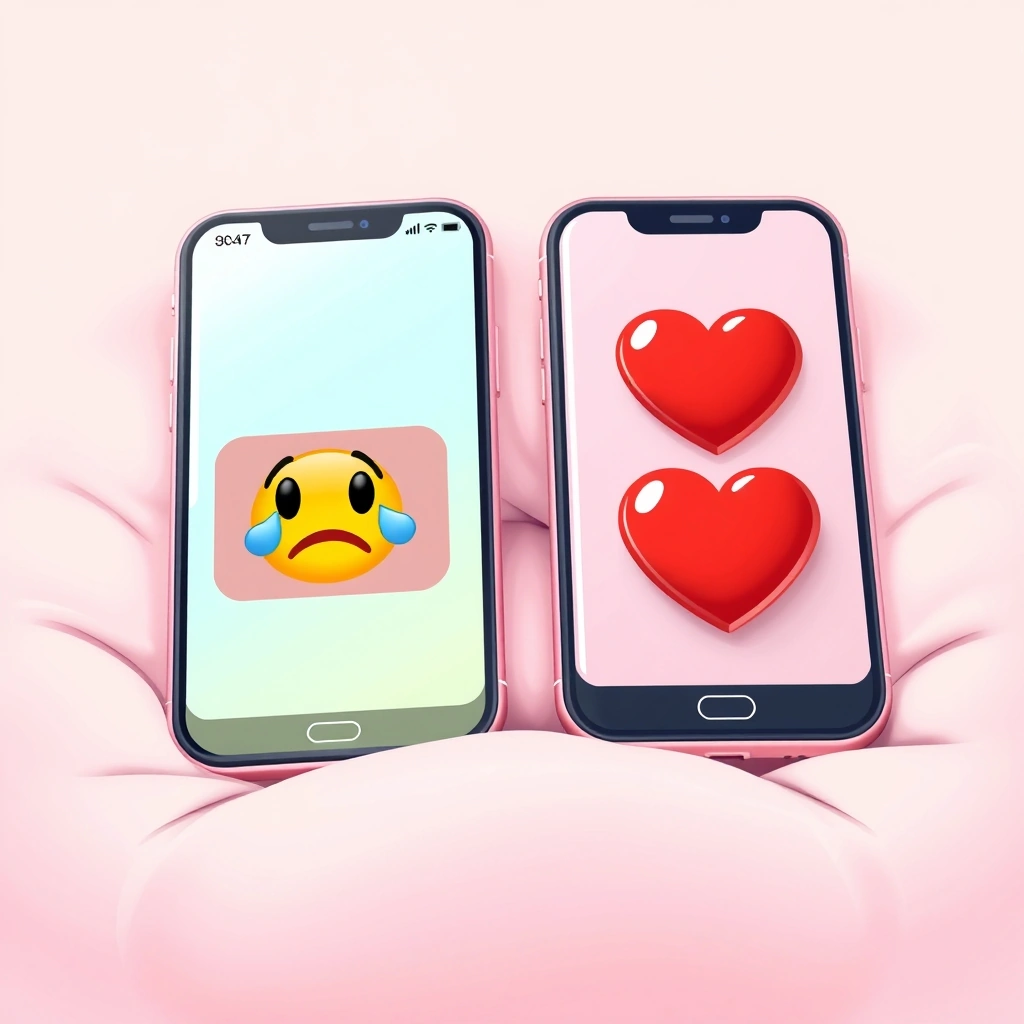
This subtle navigation is a form of emotional protection, for both the sender and receiver. For the sender, it’s a shield. It allows you to broach a tough subject without feeling completely exposed, offering a buffer of symbolic expression. For the receiver, it’s a signal. The emoji prepares the ground for the words that follow, letting you know the emotional temperature of the message before you even read it fully. It’s a small act of digital care.
I often think about how we use emojis to navigate emotional uncertainty. They are our probes into delicate conversational territory. A simple question mark in a bubble can check for understanding without pressure. A thinking face can show you're processing a heavy confession, buying a moment of grace before you respond. They create pauses and breaths in conversations that might otherwise feel suffocating.
In a world where so much of our communication is stripped of tone and body language, these little symbols have rushed in to fill the void. They are the digital equivalents of a softened voice, a hesitant smile, or a comforting touch on the arm. They help us do the delicate dance of human connection when we're reduced to text on a screen.
So the next time you find yourself struggling to type out a difficult message, don't fight the impulse to scroll through your emoji keyboard. That tiny, silent symbol you're searching for isn't a cop-out. It might just be the most honest and compassionate part of your message. It’s how we whisper in a text-based world, how we show up for each other in the quietest threads, one small, colorful gesture at a time. For more on how emojis shape our digital interactions, explore other situations where emojis make a difference.
📒 Related Blogs
More...The Secret Language of Smiles: How Emojis Instantly Reveal Emotions Online
The Global Language of Emojis: Decoding Cultural Meanings and Interpretations
The Future of Emojis: Anticipating New Icons and Digital Expressions
The Tiny Lifesaver: How Emojis Rescue Us From Awkward Chat Silences
Are Emojis Reshaping How We Communicate? A Comprehensive Look
The Hidden Magic of Emoji Pairs: How Two Little Icons Change Everything