The Secret Language of Emoji Pairs: Why Two Emojis Are Better Than One

Feb 12,2026
We've all been there—staring at the emoji keyboard, trying to find the one perfect icon to capture a messy, wonderful feeling. A friend texts a hilarious, slightly embarrassing story. Do you reply with the crying-laughing face? The face with tears of joy? The rolling-on-the-floor-laughing emoji? They're all close, but none feel quite right on their own. The emotion is more layered than that.
This is where the magic happens. Instead of scrolling forever, you tap two. Maybe the crying-laughing face and the pleading face. Or the face screaming in fear and the crying-laughing face. Suddenly, it's perfect. You're not just saying "that's funny." You're saying "that's so funny it's terrifying and I'm begging you to stop but also please continue." With two tiny pictures, you've built a whole emotional scene.
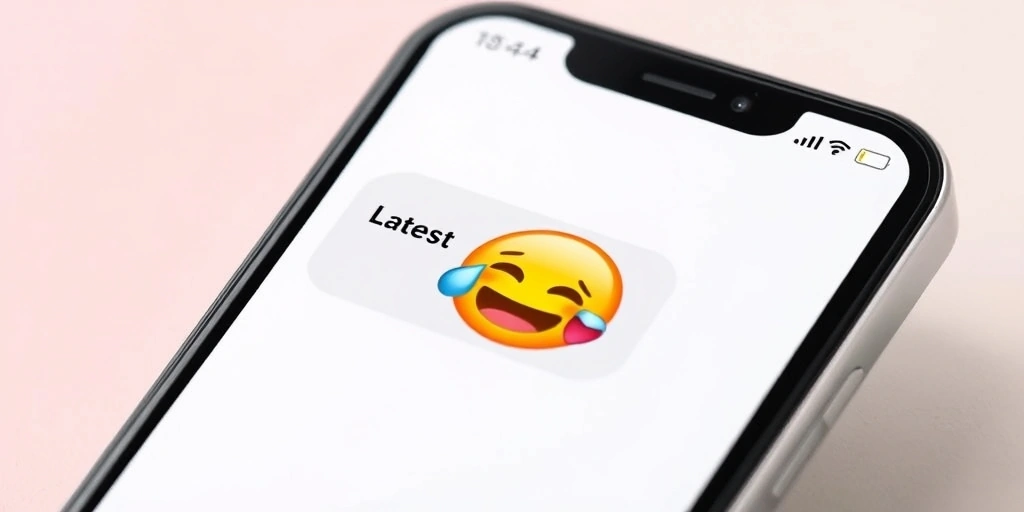
This isn't just about being extra. It's about efficiency and emotional clarity. In the fast-paced world of casual texting, we don't have time for paragraphs to explain our vibe. Emoji combinations become our shorthand, our quick-sketch of a complex mood. A single heart emoji says "love." A heart followed by a sparkle? That says "I adore this with a sense of wonder and magic." A heart followed by a broken heart? That's the bittersweet "I love this, but it also hurts." The combination tells a story a single emoji never could.
Building Blocks of Feeling
Think of single emojis as primary colors. They're brilliant and essential. But when you start mixing them, you get the infinite spectrum of human emotion that exists between "happy" and "sad," between "excited" and "nervous."
Take the simple smiley face with smiling eyes. It's friendly, it's kind, it's a digital nod. Now, pair it with a coffee cup. The context shifts entirely. This isn't just a hello; it's a "good morning, I'm fueled and ready for the day" or a "thinking of you, let's catch up over coffee" kind of vibe. The second emoji provides the setting, the activity, the subtext.
Or consider the flame emoji. Alone, it often means something is lit, cool, or attractive. But pair it with the grimacing face? Now it's about something being so awkward or cringey it's "fire" in a painfully funny way. The second emoji modulates the meaning of the first, adding a layer of irony or self-awareness.
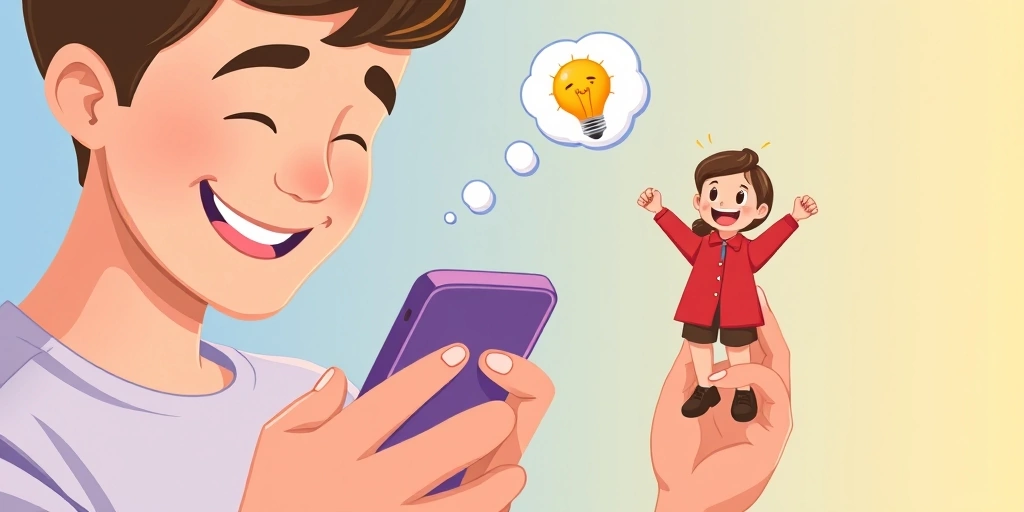
These pairs act as communication shortcuts. They prevent misunderstandings that can happen with a lone, ambiguous emoji. The thumbs up can be read as supportive or passive-aggressive. Follow it with a grinning face, and the support is clear. Follow it with a zipped-mouth face, and you've got a whole different, secretive agreement. The combination removes the guesswork.
The Unspoken Rules of Pairing
While there's no official rulebook, certain combinations have emerged as near-universal dialects in digital chat. The power of these emoji pairs lies in their shared understanding. The birthday cake plus party popper is an unequivocal celebration. The weary face plus the bed is a universal sign of exhaustion. The eyes plus the heart is iconic for "I love what I'm seeing."
But the real fun is in the creative, personal combinations. Maybe you and your best friend always use the dinosaur and the rainbow to signify your weird, joyful bond. Perhaps your family group chat uses the goat and the trophy as an inside joke for someone doing something great. These personalized pairs become your group's own emoji slang, strengthening your connection.
It's a form of collaborative meaning-making. When you send the thinking face followed by the light bulb, you're inviting the other person into your thought process: "I'm pondering... and I've had an idea!" You're not just stating a result; you're illustrating the journey. This makes conversations feel more dynamic and involved.
For more on how these tiny duos transform our interactions, the emoji combinations category has some great deep dives into this evolving language.
Beyond the Basics: Crafting Nuance
As we get more comfortable, we start building even more elaborate emotional sentences. Three or more emojis in a row can narrate a mini-drama. The face with steam from nose, the running person, the explosion. Translation: "I'm so angry I'm about to storm off and blow up." It's dramatic, it's over-the-top, and it communicates the scale of your feigned (or real) outrage perfectly for a friend who will get the joke.
This practice reveals something beautiful about our digital communication: we are inherently creative storytellers, even within constraints. The emoji keyboard is a limited palette, but by combining its elements, we find endless ways to paint our emotional state. We're not replacing words; we're complementing them with a parallel, visual language of tone and context.
So next time you're texting and that single emoji feels insufficient, don't force it. Take a breath and ask yourself: "What's the other half of this feeling?" Is your excitement also nervous? Is your gratitude also a little shy? Is your laughter also mixed with disbelief? Find the emoji for that secondary, shadow emotion and put it right next to the first. You might just find that the hidden magic of emoji pairs is that they don't just communicate better—they help us understand our own feelings more clearly, one tiny, combined icon at a time.
The chat window becomes less of a notepad and more of a canvas. And the best part? There's no wrong way to do it. Your combination is your signature, your momentary emotional fingerprint. It’s how we add warmth, personality, and a surprising amount of depth to the blinking cursor of a text box, making sure the person on the other end doesn't just read our words, but feels our vibe.
📒 Related Blogs
More...The Secret Sauce: How Emojis Make Your Short Group Chat Messages Feel Truly Intentional
The Emoji Glow-Up: How Viral Trends Reshape Meanings Overnight 🤯
Do Emojis Break Grammar Rules? The Evolving Impact on Written Communication
Decoding Emoji Trends: What's Popular and Why People Use Them
Emojis in Marketing: How Brands Boost Engagement and Connect Visually