Double the Impact: Unlocking the Power of Emoji Pairs in Your Digital Chats

Jan 14,2026
In the vast, ever-evolving landscape of digital communication, where brevity often reigns supreme, emojis have carved out an indispensable niche. They're more than just cute little pictures; they're emotional shorthand, tone indicators, and sometimes, the entire punchline. But what happens when you double down? When you string two seemingly simple emojis together, you unlock a whole new dimension of expression. It's like finding a secret handshake in the digital world, a nuanced way to truly convey what you mean, whether you’re softening a blow or cranking up the enthusiasm.
The Art of Softening the Edge
We’ve all been there: typing out a message that, on its own, might come across a little too direct, a touch too blunt, or even slightly demanding. This is where the magic of emoji pairs truly shines. Take, for instance, the classic combination of a slightly worried face followed by a polite plea: 🥺🙏. On its own, the pleading face (🥺) can feel a bit intense, almost desperate. But pairing it with a prayer hands emoji (🙏) often transforms it into a softer, more humble request, perhaps for a small favor or understanding. It’s less "I really need this!" and more "Could you possibly help me out? I'd really appreciate it."
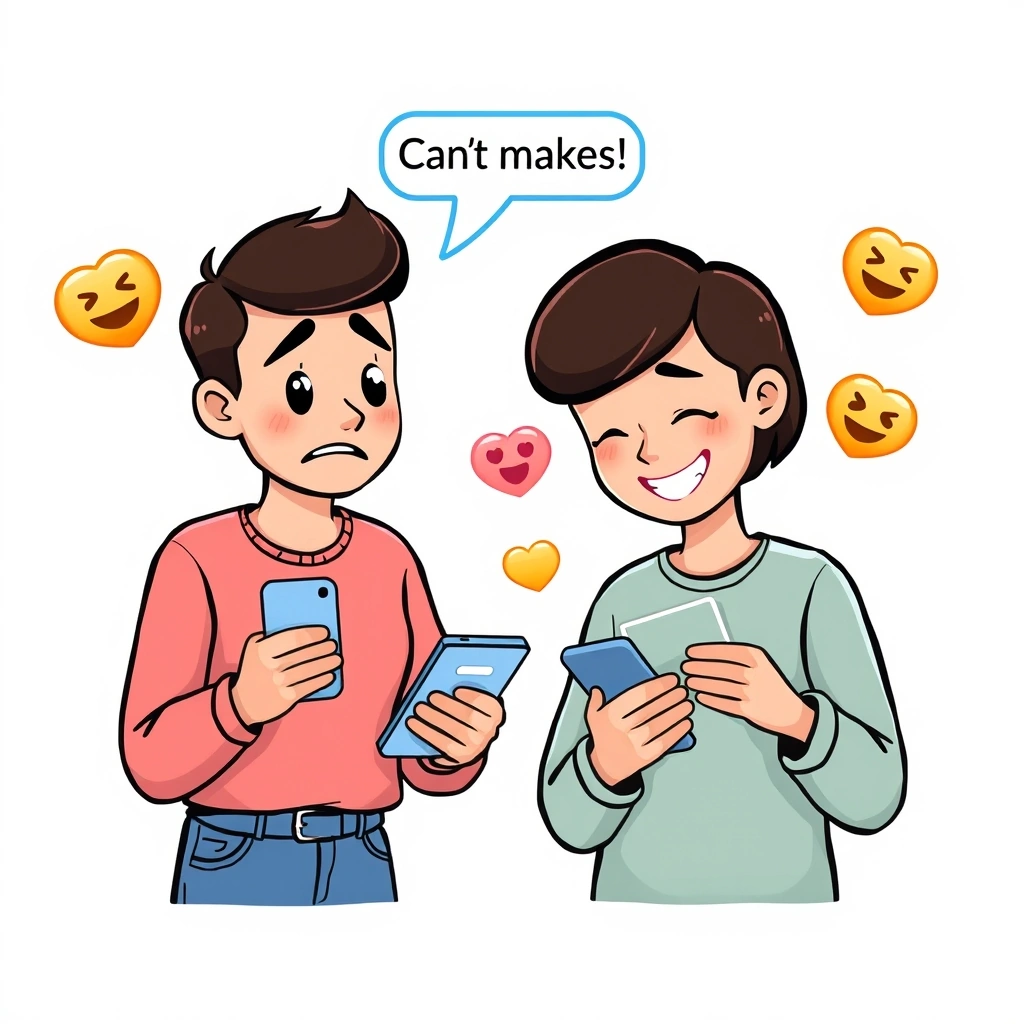
Consider also the art of delivering a difficult message. You might need to say no, or gently correct someone. A standalone "no" can feel abrupt. But imagine adding a weary face (🫠) or a sweat-dropping smile (😅) before or after it. Suddenly, "No, I can't do that" becomes "No, I can't do that 😅," conveying regret or a slight awkwardness rather than outright refusal. It’s a linguistic cushion, softening the impact and ensuring the recipient knows there's no ill will behind your words. It’s about being polite and considerate, even when the words themselves aren't exactly what the other person wants to hear. This layering of emotion is a fascinating aspect of how we use these tiny icons, creating a more empathetic digital space. In fact, understanding these intricate dynamics is key to mastering emoji & emoji combinations in general.
Amplifying Joy and Excitement
On the flip side, emoji pairs are absolute masters at turning up the volume on positive emotions. A single red heart (❤️) is lovely, but what about a sparkling heart (💖) followed by a regular one (❤️)? Or perhaps a heart-eyes face (😍) with a star-struck one (🤩)? These combinations aren't just redundant; they build intensity. The first emoji sets the stage, and the second one solidifies or even elevates the sentiment. When you’re genuinely thrilled about something, a simple "Yay!" might feel understated. But "Yay!!! 🎉✨" feels like a celebration in itself, the party popper and sparkle adding layers of effervescence that words alone can struggle to convey.
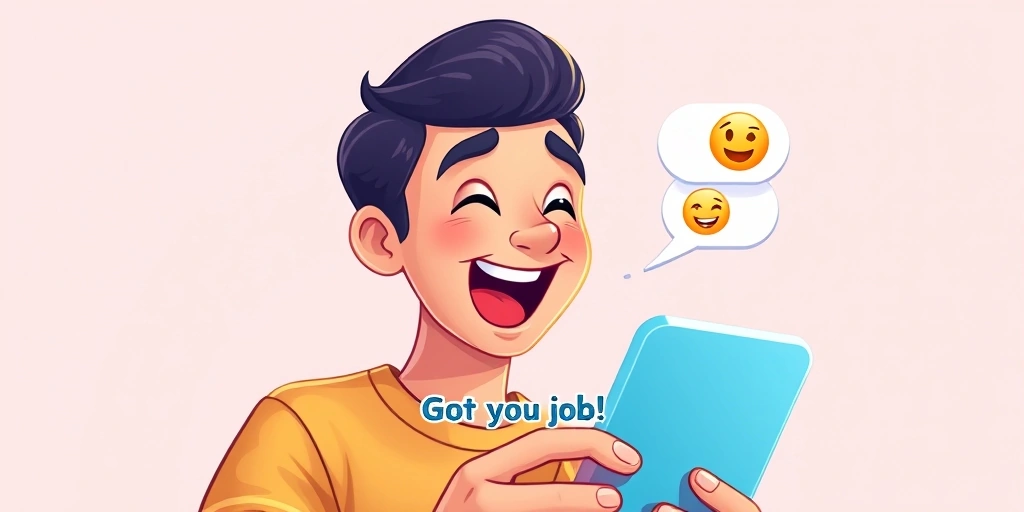
Think about announcing good news. "I got the job!" is great. "I got the job! 🥳🎉" is ecstatic. The pair multiplies the feeling of joy, almost as if you’re jumping up and down with excitement. It tells your friends, "This isn't just good news; this is AMAZING news!" This expressive power is why the secret language of two can redefine our quickest digital replies, injecting them with a depth that single emojis often can't match. It’s a subconscious way we communicate, letting our fingers do the emotional talking for us.
Beyond Simple Emotions: Sarcasm, Irony, and Humor
Emoji pairs aren't just for primary emotions; they’re incredibly versatile tools for complex sentiments like sarcasm or playful teasing. The eye-roll emoji (🙄) is a classic for expressing exasperation or mild annoyance. But pair it with a skull (💀) or a crying-laughing face (😂), and you’re suddenly in the realm of "I'm so done with this, it's actually funny" or "That's so ridiculous I can't even." The skull emoji, in particular, has evolved to mean "I'm dead" or "I'm dying of laughter," and when combined with other emojis, it creates a very specific, often self-deprecating or ironically humorous tone.
Consider the difference between "That's wild 👀" and "That's wild 👀🤯." The latter takes the observation from mere curiosity to outright astonishment or mind-blowing disbelief. These combinations don't just add; they transform. They create a subtext that might otherwise be missed in the absence of vocal tone or facial expressions. It's a testament to our collective creativity in adapting digital tools to convey the subtleties of human interaction, crafting narratives even with tiny icons. If you really get into it, you realize that emoji sequences are truly the silent storytellers, shaping our digital moods and narratives in ways we're only just beginning to fully appreciate.
The Unspoken Rules of Emoji Pairing
While there are no official handbooks, certain patterns and unspoken rules seem to guide our use of emoji pairs. Firstly, context is king. A pair that means one thing in a casual chat with a close friend might be misinterpreted in a more formal work message. Secondly, brevity often still matters. While pairs add nuance, triple or quadruple emojis can sometimes feel overwhelming or spammy, diluting the intended impact rather than intensifying it. It’s about finding that sweet spot where two emojis complement each each other perfectly, creating a single, more potent message.
Often, the first emoji sets the primary emotion or subject, and the second acts as a modifier, adding depth, an ironic twist, or an extra layer of feeling. Think of it like an adjective and a noun, or an adverb modifying a verb. "I'm tired 😴" is simple. "I'm tired 😴🫠" suggests a more profound, perhaps meltingly exhausted state. The order can also sometimes matter, though this is less rigid. A "thank you 🙏😊" feels different from a "thank you 😊🙏"—the former emphasizing gratitude first, the latter adding a friendly warmth after the primary thanks.
The Evolution of Digital Nuance
The rise of emoji pairs speaks volumes about our inherent need for nuanced communication, even in the fastest, most abbreviated digital exchanges. As our online interactions become more sophisticated, so too does our language of emojis. We’re not just picking one icon from a vast menu; we’re actively combining them, creating mini-sentences of emotion that carry significant weight. It’s a dynamic, playful, and incredibly effective way to ensure our digital messages resonate with the same depth and personality as our in-person conversations.
It’s a fascinating ongoing experiment, really. We’re collectively discovering and defining this new grammar of emotion, one emoji pair at a time. Each double tap, each thoughtful combination, adds another layer to how we connect, clarify, and celebrate in the digital realm. And as long as we keep chatting, texting, and messaging, the language of emoji pairs will continue to surprise and delight us with its subtle power.
📒 Related Blogs
More...The Instant Feeling: How Emojis Spark Our Gut Reactions
Emoji Etiquette: Mastering the Unspoken Rules of Digital Communication
From Harsh to Human: How Emojis Make Workplace Feedback Feel Friendlier
The Secret Language of Emojis: Decoding Their Meanings Across Cultures
The Silent Language: How Emojis Fill the Gaps in Our Daily Texts
The Secret Language of Generations: How Emojis Shape Our Digital Conversations