The Secret to Smooth Digital Chats? It's Probably an Emoji

Mar 23,2026
Think about your last great text conversation. The one that felt easy, where the jokes landed, and the tone was just right. Chances are, it wasn't just the words doing all the work. Scattered between those sentences were probably a few well-placed emojis, quietly ensuring everything went smoothly.
We use them every day, often without a second thought. That thumbs-up to confirm plans, the crying-laughing face after a funny story, or the simple heart reacting to good news. These tiny icons have become the unsung heroes of our digital dialogues. They don't just decorate our messages; they support them, adding a layer of meaning that plain text often struggles to convey on its own.
The Tone-Setters
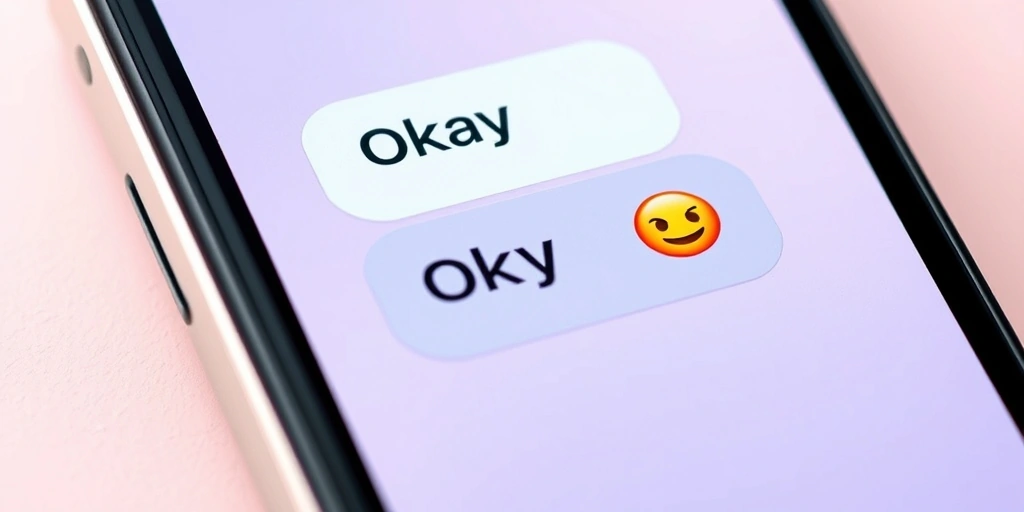
Let's be honest: text is terrible at tone. A simple "okay" can read as agreeable, cold, or even sarcastic, depending on the reader's mood and the context. This is where an emoji steps in as a tiny, powerful clarifier.
"Okay 😊" feels warm and agreeable.
"Okay 👍" feels efficient and confirmed.
"Okay 😬" subtly hints at hesitation or a tricky situation.
That one character changes the entire emotional weather of the message. It acts as a social cue, the digital equivalent of a facial expression or vocal inflection. It tells the person on the other end how to interpret your words, making your texts feel lighter and more human. Without it, we're left guessing, and guesses often lead to misunderstandings.
Filling the Gaps, Smoothing the Edges
Digital conversations lack the flow of face-to-face chat. There are awkward pauses, delayed responses, and messages that sit there, looking stark. Emojis are brilliant at bridging these gaps.
Ever sent a message that felt too blunt? A smiling face or a winky emoji can soften it. Need to show you're listening during a long, async chat? A simple "👀" or "😮" shows engagement without interrupting. They're the nods and "mmhmms" of texting.
They're also masters of recovery. Sent something that might have been taken the wrong way? Following up with a 😉 or a 🤪 can instantly defuse potential tension. It's a low-stakes way to say, "Hey, we're good, this is light." They help maintain the social fabric of our conversations, preventing minor stumbles from becoming major trip-ups.
Everyday Examples in Action
You don't need to overthink it. This happens in the most mundane exchanges.
Planning: "Meet at 7?" "7 works! 🎉" That party popper doesn't just mean yes; it conveys enthusiasm and turns a logistical confirmation into a shared moment of anticipation.
Sharing News: "I passed the exam!" A reply of "YES! 🥳🔥" feels exponentially more celebratory and supportive than just "Congratulations." The emojis carry the emotional weight.
The Check-in: "How was your day? 😊" The smiley face here is an open door. It sets a warm, inviting tone for the response, making it easier for someone to share if it was tough or terrific.
In group chats, they're indispensable. A flood of 😂 or 🤣 in response to a story creates a sense of collective reaction, a shared laugh even though you're apart. A string of ❤️ reactions to someone's achievement feels like a group hug. They build community in a space that could otherwise feel fragmented.
It's About Connection, Not Decoration
This is the key thing to remember. When emojis support conversation, they're not just pretty add-ons. They are functional tools for empathy and clarity. They allow us to be more precise with our emotional intent and more considerate of how our words might land.
They answer the silent questions in digital communication: "Are you joking?" "Are you upset?" "Is this exciting?" By answering these questions preemptively, they remove friction. The conversation doesn't get bogged down with "Wait, did you mean that seriously?" or "I can't tell if you're mad." It just... flows.
Of course, like any tool, context is everything. What works in a casual friend chat may not fit a formal email. But in the realm of everyday messaging—where we live so much of our social and personal lives—they are incredible facilitators. For more on navigating these nuances, our emoji guides explore these ideas in depth.
So next time you're about to send a message, pause for a second. Does it convey everything you want it to—the fact, the feeling, the tone? If something feels missing or slightly off, the right emoji might be the tiny fix that makes the whole exchange smoother, kinder, and more connected. It's a small act that makes the digital world feel a little more like a real conversation. After all, sometimes the biggest support in a conversation comes in the smallest package.
📒 Related Blogs
More...The Emoji Nod: How a Simple Symbol Became Our Go-To Quick Reply
Emoji Etiquette: Master the Art of Digital Communication (Avoid Faux Pas!)
How Emojis Are Revolutionizing Branding & Marketing: A Modern Guide
The Secret Language of Emoji Pairs: How Two Little Icons Change Your Message
The Secret Power of Emojis: Why Your Posts Get More Likes, Shares, and Comments
How Emojis Keep Your Slack Messages Professional and Friendly