The Softening Power of Emojis: How a Simple Icon Changes the Tone of Your Messages

Feb 12,2026
We've all been there. You're in a busy group chat, or a long text thread with a friend, and you need to send a message that feels a bit... direct. Maybe it's a reminder about plans, a question that needs a clear answer, or a piece of feedback. Typing it out, you read it back. The words are fine, but something feels off. It reads as cold, or demanding, or just a little too sharp for the context. So, what do you do? You reach for an emoji.
This isn't about decorating your text. It's a crucial act of conversational calibration. In message-heavy threads, where tone is easily lost and messages pile up quickly, emojis act as tiny emotional signposts. They don't change the core message, but they dramatically adjust how it's received.
The Directness Dilemma in Digital Talk
Written language, especially in short bursts like texts, lacks the cues we rely on in person: facial expressions, vocal pitch, and body language. A simple "Okay" can mean enthusiastic agreement, reluctant acceptance, or passive-aggressive annoyance. Without context, the default interpretation often leans toward the neutral or even the negative. This is where directness becomes a problem. A message intended to be clear and efficient can be misread as curt or angry.
This is especially true in busy threads. When everyone is firing off messages, the social pressure to be brief is high. We truncate sentences, drop pleasantries, and get straight to the point. While efficient, this strips away the social lubricant that keeps conversations flowing smoothly. It's like everyone is just stating facts at each other.
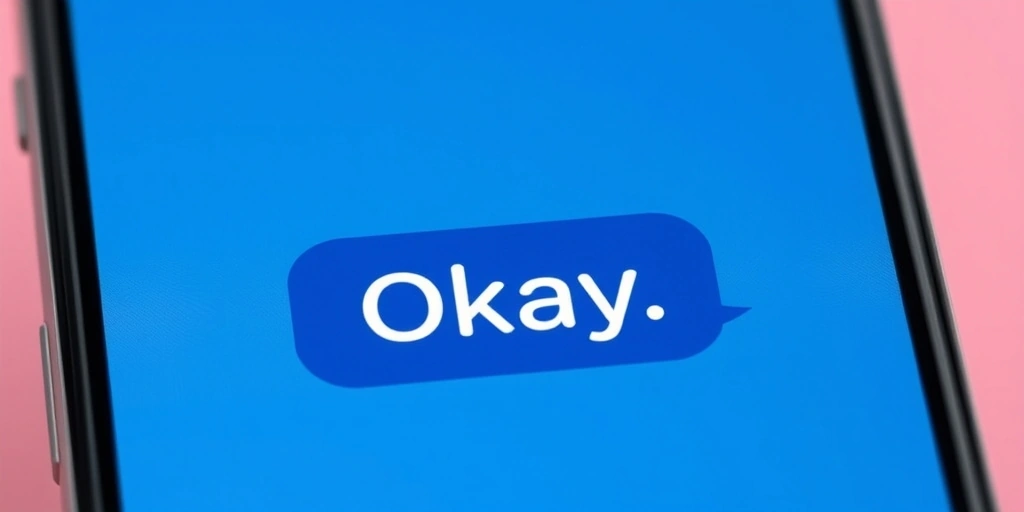
Enter the emoji. By adding a 🙂 to that "Okay," you instantly import a facial expression. You've shown a friendly face. The message is still "Okay," but now it's an "Okay, sounds good!" The directness is softened. The emotional intent is clarified. It guides the recipient on how to feel about your words and, more importantly, how to respond.
Guiding the Response, Not Just the Reaction
This guidance is the superpower of emojis in threaded conversations. Think about the difference between these two messages in a planning chat:
"The meeting is at 3 PM. Don't be late."
Versus:
"The meeting is at 3 PM. Don't be late 😉"
The first is a stern directive. It might cause defensiveness or annoyance. The second, with the wink, frames it as a playful nudge among peers. It's more likely to get a "Got it! 👍" than a sigh. The emoji didn't change the information; it changed the social framing, which directly influences the type of response it invites.
This is a key part of emoji and communication. They are tools for managing the social layer of our digital interactions. A thumbs-up can close a loop without needing a follow-up message. A thinking face 🤔 can show you've seen a question and are considering it, buying you time and showing engagement. A heart ❤️ can transform a simple "Thanks" into a genuine expression of appreciation.
The Art of the Softening Emoji
Some emojis are particularly skilled at this softening work. The classic smiley faces 🙂😊, the grateful/folded hands 🙏, the blushing smile 😊, or even the neutral-but-friendly 👍 are all workhorses for taking the edge off. They add a layer of goodwill.
Consider a request: "Can you send me that file?" It's neutral. "Can you send me that file when you get a chance? 🙏" feels collaborative and appreciative. The request is the same, but the emoji guides the other person to feel like a helper, not a demandee.
This becomes vital when delivering slightly sensitive news or feedback in a thread. "The client didn't like the first draft" is a hard sentence to read. "The client didn't like the first draft, but we've got this! 💪" acknowledges the setback while steering the team's energy toward a solution. The emoji sets the emotional tone for the next steps in the conversation.
When Less is More
Of course, there's nuance. Overusing emojis, or using overly dramatic ones in serious contexts, can undermine your message and make it seem unserious. The goal is calibration, not camouflage. A single, well-chosen emoji often does the job better than a string of them. It's a subtle nudge, not a shout.
As we navigate more than just fun in busy chats, it's clear these small icons are fundamental to how emojis steer the conversation. They are the tools we use to inject humanity, clarity, and emotional intelligence into the rapid, text-based exchanges that fill our days.
So next time you pause before hitting send, wondering if your message feels too abrupt, listen to that instinct. Scan your emoji keyboard. That little face or symbol isn't frivolous—it's you, adding your tone of voice back into the words. It's you, being a clearer, kinder, and more effective communicator in a world that desperately needs it.
📒 Related Blogs
More...The Unsung Heroes of Texting: How Emojis Keep Our Digital Chats Flowing
The Digital Chameleon: How Emojis Shape-Shift with Every Viral Trend
The Future of Emojis: What New Icons & Features Can We Expect?
The Quiet Comfort of Emojis: How Tiny Icons Are Replacing Small Talk
The Unspoken Peace: How Emojis Calm Unexpected Digital Ripples
The Unspoken Language: How Emojis Became Our Go-To Quick Reply