The Surprising Power of Emojis to Keep Work Emails Neutral and Professional

Feb 24,2026
Let's be honest, work emails can be a minefield. A simple request can be read as a demand. A quick reply can seem curt. We spend so much time trying to get the words right, but sometimes words alone are too blunt, too open to interpretation. That's where something unexpected comes in: the humble emoji.
I used to think emojis had no place in my professional inbox. They felt too casual, too personal. But after one too many "Just checking in!" emails were met with radio silence (or worse, a defensive reply), I started to experiment. I wasn't trying to be my colleague's best friend. I was trying to be clear. And I found that a single, carefully chosen emoji could do what paragraphs of carefully crafted text sometimes couldn't—it could set a neutral, unthreatening tone.
Why Neutrality is the Real Goal
When we talk about professional communication, we often aim for "formal." But formality can create distance. What we really need, especially in fast-paced digital environments, is neutrality. Neutrality means the message is received for its factual content, without an unintended layer of emotional subtext—frustration, sarcasm, or impatience.
Words like "per my last email" or "as discussed" are factually neutral, but they often carry a heavy, accusatory weight. They can put the recipient on the defensive before they've even processed the request. The goal isn't to strip all humanity from our messages; it's to ensure the humanity that comes through is helpful, not hindering.
This is a challenge many of us face, and exploring strategies for emoji and work can offer practical solutions.

Think of an emoji in this context not as an expression of your personal joy or sadness, but as a tonal guidepost. It's a tiny signal that frames the words around it. A thumbs-up 👍 at the end of "Got it, will do" doesn't mean you're ecstatic about the task. It means acknowledgment. It closes the loop cleanly. A simple check mark ✅ beside "Task completed" signals factual reporting, not boastfulness.
The Emoji as a Buffer
Some of the most powerful emojis for neutrality are the most basic. The period/full stop symbol 🔴 (or even a simple dot) can visually soften a list of action items, making it feel more like a dashboard and less like a reprimand. The memo emoji 📝 at the start of a request can gently flag it as an administrative item, not a criticism of someone's prior work.
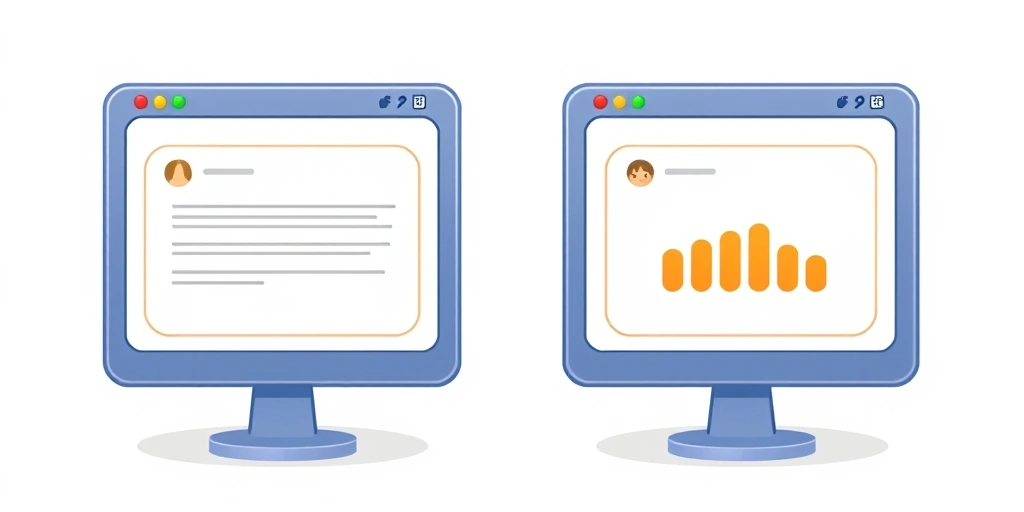
I once had to follow up on a delayed report. Instead of "Any update on the report?" which can sound impatient, I tried "Just circling back on the Q3 report 📊. No rush, just keeping my list updated!" The bar chart emoji subtly reframed the query around the *subject* (the report data) rather than the *person's delay*. The reply was prompt, apologetic, and cooperative—the tension I'd anticipated never materialized.
You can find more on how these small symbols bring clarity in our piece on how emojis save the day in work emails.
Clarity Over Casuality
The key is intentionality. This isn't about sprinkling smiley faces everywhere to seem nice. It's about selecting a symbol that serves a specific communicative function. A light bulb 💡 is brilliant for saying "Here's an idea!" and implicitly inviting collaboration, whereas a bold "I HAVE AN IDEA" can come across as domineering.
It also helps to standardize within teams. If your team agrees that a red circle 🔴 in a subject line means "action required," and a green check ✅ in chat means "approved," you've created a neutral, efficient visual shorthand. The emotion is removed; the function is clear.
Knowing When to Hold Back
Of course, context is everything. The first email to a senior client or in a highly formal industry might not be the place to start. But in the daily flow with colleagues you know, these tools are incredibly effective. They prevent the "tone parsing" that wastes so much mental energy. Was my boss's "Fine" actually fine? If it's followed by a neutral OK hand sign 👌, I can probably take it at face value and move on.
The beauty of using emojis this way is that it acknowledges the reality of digital communication. We are not robots. Text strips away body language and vocal inflection, leaving a vacuum that our brains fill with anxiety. A strategic emoji fills that vacuum with a hint of intended tone. It's a small act of communication care that keeps conversations moving forward smoothly, on a neutral, productive track. It turns out, sometimes the best way to be professional is to use the tools that make us seem human, after all.
For a deeper look at a specific emoji that excels at adding warmth without sacrificing professionalism, check out our thoughts on the tiny emoji that makes your work emails feel warmer.
📒 Related Blogs
More...The Hidden Power of Emojis in Your Private Chats
The Neutral Nod: How Emojis Keep Remote Work Conversations Professional
Emoji Magic: How Little Icons Make Your Digital Chats Flow Seamlessly
How Emojis Became Our Silent, Everyday Conversation
Emoji Etiquette: Navigating the Unwritten Rules of Digital Expression
How Emojis Became Our Digital Mood Ring: Capturing the Pulse of Online Culture