The Unspoken Language of Emojis in Viral Online Debates

Feb 12,2026
Scrolling through a trending topic on any social platform is an experience in modern linguistics. The text flies by—opinions, facts, jokes, outrage—but woven through it all is a secondary, more instinctive language. It’s the language of emojis. In the high-stakes, fast-moving arena of viral discussions, where misinterpretation is a constant risk, these tiny icons do more than decorate a post. They signal tone, intent, and emotional alignment in a way plain text often can't.
Think about the last major public debate you watched unfold online. A news story breaks, a celebrity makes a statement, or a policy is announced. The first wave of responses is often pure text, raw and unfiltered. Then, as the conversation multiplies and fragments, the emojis arrive. They don't just react to the core topic; they react to the conversation about the topic. A string of crying-laughing emojis under a particularly witty take isn't necessarily a comment on the serious subject at hand, but on the cleverness of the commentary itself. It signals an in-the-moment, shared understanding with other readers.
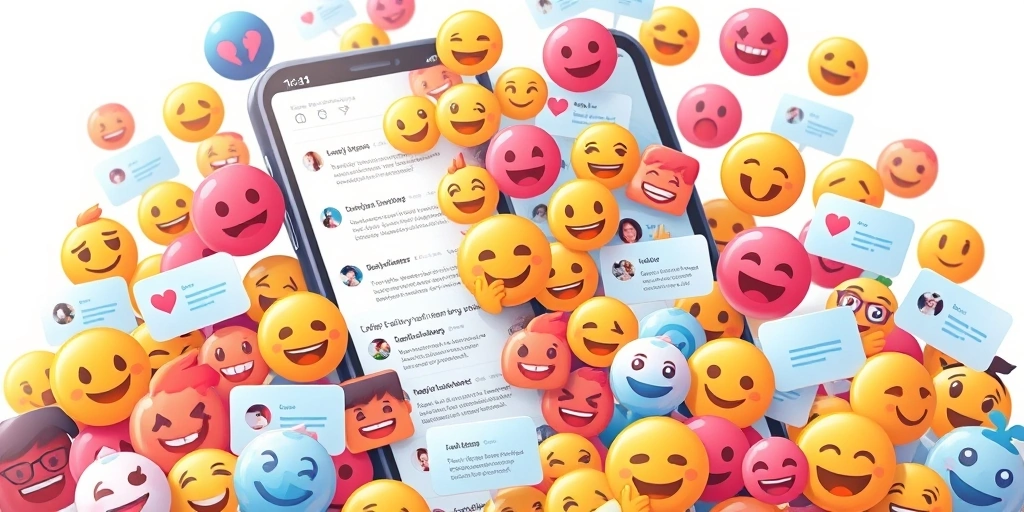
This function is crucial because online text is notoriously tone-deaf. Sarcasm, sincerity, gentle teasing, and genuine concern can all look identical in a tweet. An emoji acts as a clarifier, a tiny emotional safety net. Someone might post a critical opinion followed by a thinking face or a slightly smiling emoji, softening the blow and indicating thoughtful critique rather than aggressive attack. Conversely, a point made with a series of fire emojis or a raised fist amplifies the passion and solidarity behind the words. In the chaotic stream of a viral thread, these signals help users quickly navigate alliances, humor, and the general emotional temperature of different comment clusters. For more on how these small symbols shape big conversations, this piece on the impact of emojis in viral debates explores the dynamic further.
Building Tribes and Signaling Allegiance
Beyond clarifying individual tone, emojis become shorthand for group identity within a larger discussion. In a political debate, one faction might consistently use a flag or a specific symbol, while another uses a heart or a sunflower. These aren't just random choices; they're badges. Using them aligns the poster with a particular sentiment camp, allowing for quick recognition by allies and opponents alike. It’s a way of saying, "I’m in this group, and I understand the shared language," without having to write a manifesto.
The repetition of a particular emoji by many users can also shift the narrative's momentum. A controversial statement might be met with a wave of skull emojis (signaling "I'm dead" from disbelief or humor) or facepalms, visually representing a collective sigh. This communal emoji usage creates a non-verbal consensus, a crowd-sourced reaction that can be more powerful than thousands of individual comments saying the same thing. It visualizes the crowd's mood.
The Delicate Balance of Humor and Gravity
Perhaps the most nuanced role emojis play is in balancing humor with serious discourse. Viral topics are often heavy—social justice issues, political turmoil, public health crises. Yet, internet culture often uses humor as a coping mechanism or a rhetorical tool. Inserting a laughing emoji into a serious thread is a risky move. It can be seen as disrespectful, or it can perfectly undercut tension with needed levity. The difference often lies in the community's established tone and the poster's perceived intent.
An observer can watch this dance play out in real-time. A somber news article might have a reply thread that starts with heartbreak and prayer hand emojis. Then, someone might share a relatable, frustrating anecdote about the situation with a crying-laughing emoji, not to mock the tragedy but to express the absurdity of a related circumstance. If the community receives it well, responding with similar emojis, a sub-thread of cathartic humor forms. If not, the poster might be met with anger or disapproval. The emojis become the test balloons for emotional shifts within the conversation.
This constant, low-level negotiation of tone is what makes observing viral discussions so fascinating. The text provides the argument, but the emojis provide the soundtrack—the sighs, the laughs, the facepalms, the moments of solidarity. They are the meta-commentary, the emotional glue, and the social lubricant all at once. They remind us that even in vast, public, digital spaces, communication remains deeply human and reliant on nonverbal cues, however digitized they have become. The way we use them continues to evolve with every new trending topic, creating a living grammar of public feeling. You can find more insights into this phenomenon in our broader emoji and social media category.
📒 Related Blogs
More...The Secret Language: How Emojis Instantly Bridge Emotional Gaps in Digital Chats
The Secret Power of Emojis: How a Tiny Icon Can Change Your Message's Meaning
Beyond Words: How Emojis Transform Casual Chats into Playful Adventures!
How Emojis Are Revolutionizing Branding & Marketing: A Modern Guide
How Emojis Are Reshaping Global Language & Culture: A Linguistic Deep Dive
Emoji Magic: Why a Simple Icon Beats a Thousand Words in Casual Conversation