The Unspoken Magic: How Emojis Soften Project Updates and Build Better Teams

Feb 14,2026
Let's be honest for a second. How many times have you stared at a project update message, your finger hovering over the send button, wondering if it sounds too harsh, too vague, or just… flat? We've all been there. In the world of rapid-fire Slack threads and concise email summaries, the words we choose carry immense weight, but sometimes they need a little help to land with the right feeling. That's where the humble emoji comes in.
It's not about making work silly or unprofessional. Far from it. It's about bridging the gap that pure text inevitably creates. When we're face-to-face, we have tone of voice, a smile, a nod of understanding. In a message, all of that context vanishes. A quick "Update: milestone delayed" can read as a blunt failure report. But "Update: milestone delayed, but the team is on it! 👍" carries a completely different energy—one of acknowledgment and shared resolve.
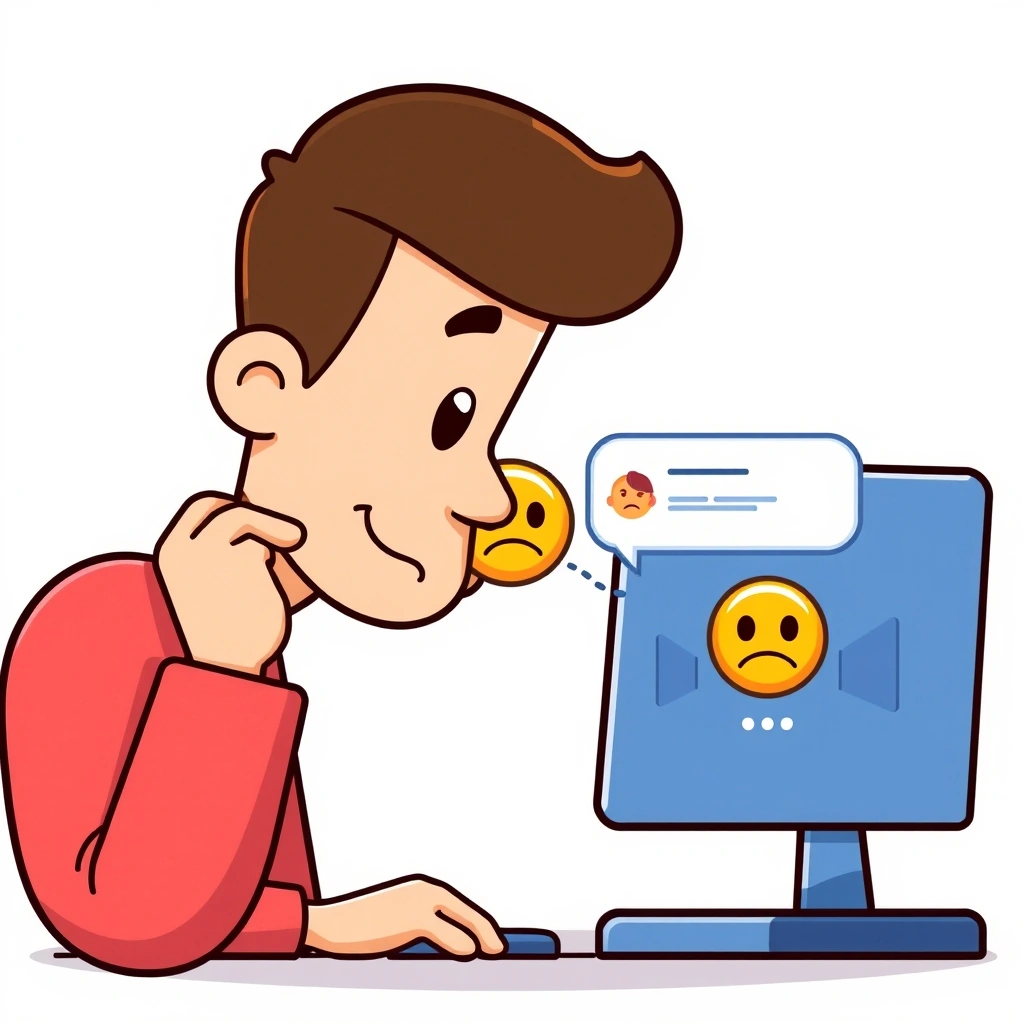
This softening of tone is especially crucial during project updates, which are often inherently stressful. They're moments of vulnerability, where we report on progress, roadblocks, and shifting timelines. A message laden with only facts can feel like a cold data dump on your teammate's desk. But by weaving in emojis, we do something profound: we reintroduce the human element. We signal that we're not just a project management bot spitting out status codes; we're a colleague who understands the shared effort.
More Than Just a Pretty Face
Think of emojis as the punctuation of the digital age, but with emotional superpowers. A simple checkmark (✅) at the end of a task list doesn't just mean "done"; it gives a tiny, satisfying hit of completion, a virtual high-five to the team. A thinking face (🤔) next to a problem statement says, "I'm puzzling this through with you," rather than just dumping a problem in someone's lap.
This emotional clarity prevents so many unnecessary misunderstandings. That terse "Thanks" from a manager? It could be read as sarcastic or dismissive. But "Thanks! 🙏" or "Thanks a million! 😊" removes all doubt, conveying genuine appreciation. It turns a transaction into an interaction. For more on the subtle power of these symbols in a professional setting, our guide on emoji & work delves deeper into the etiquette and impact.
Building Bridges, Not Just Reports
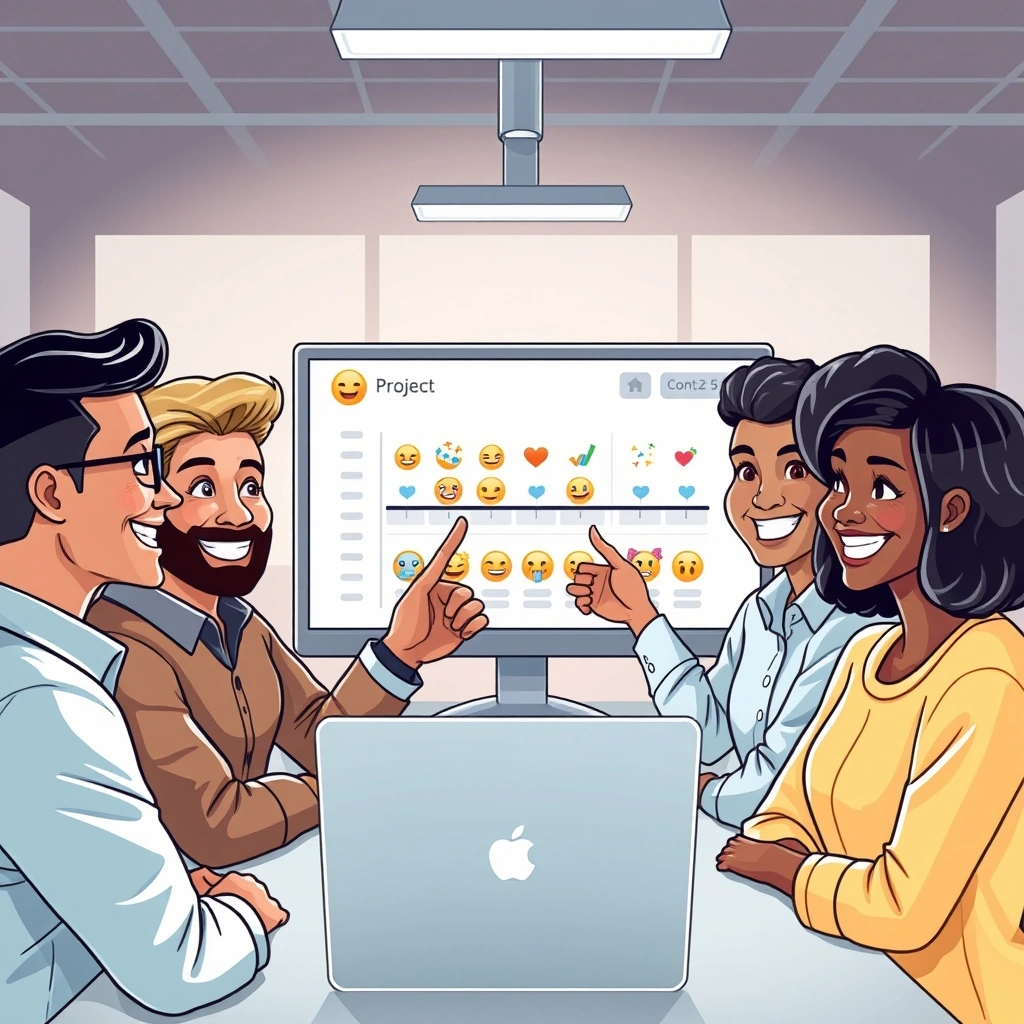
The magic really happens in how emojis foster cooperation. When you share a tricky update—"Client requested major revisions on the design 😅"—that sweat-smiling emoji does a lot of heavy lifting. It communicates, "Hey, I know this is a pain, we're in this together, and we'll figure it out." It invites collaboration instead of defensiveness. It transforms the message from a broadcast into an invitation.
This is the core of why emojis are so effective. Project updates aren't just about transferring information; they're about maintaining team cohesion, morale, and trust, especially when things get tough. A red flag (🚩) can quickly signal a serious risk without alarmist language. A flexed bicep (💪) can rally the team before a push. These small symbols create a shared, emotional shorthand that pure text struggles to achieve.
I remember a particularly grueling sprint where every update felt heavy. Then, a teammate started ending their status with a tiny seedling emoji (🌱). "Daily stand-up notes planted! 🌱" It was a small thing, but it reframed everything. Our work wasn't just a series of tasks; it was something we were nurturing and growing together. The tone of the entire channel shifted from stressed to purposefully collaborative.
Of course, context is everything. The emojis you use with your immediate, close-knit team might differ from those in a company-wide announcement. The key is intentionality. It's about choosing a symbol that supports and clarifies your message, not overshadows it. It's the difference between "Great job on the presentation! 🚀" and "Great job on the presentation! 🍆" (Please, never the latter).
At the end of the day, our work messages are the bloodstream of modern collaboration. They carry the nutrients of information, but they also need to carry the oxygen of human connection. Emojis are that oxygen. They soften the hard edges of project timelines, add warmth to logistical details, and remind us that behind every status update is a person. They help us communicate not just what is happening, but how we feel about it—and that makes all the difference in building a team that actually enjoys working together. For a closer look at how this works in stressful moments, this story highlights their role as a true secret weapon on tough days.
So next time you're about to send that project update, take a second. Could a thumbs-up, a sparkle, or a simple smile help it land better? Chances are, it will. Your team will feel the difference, even if they can't quite explain why.
📒 Related Blogs
More...The Secret Language of Emojis: Decoding Regional & Cultural Differences
Beyond a Single Smile: How Emoji Combinations Are Changing Our Digital Conversations
The Emoji Revolution: How Pictograms Are Reshaping Our Daily Communication
Emoji Etiquette: Mastering the Unwritten Rules of Digital Communication
Navigating Emotional Landmines: How Emojis Soften Awkward Digital Moments