The Unspoken Rules: How Emojis Reveal What We Expect in Group Chats

Mar 13,2026
You know the feeling. Your phone buzzes non-stop. A group chat is lighting up with plans, jokes, or a heated debate. You scroll through, trying to catch up, and you feel it—a subtle pressure. It’s not just in the words. It’s in the little pictures sprinkled between them. The thumbs-up, the crying-laughing face, the solitary heart. In message-heavy threads, emojis aren't just decoration. They're a quiet, powerful language of expectation.
Think about the last time someone shared big news in a chat. Maybe it was a promotion or a new baby photo. The first few replies often set the tone. A string of heart emojis or party poppers creates a clear, celebratory expectation. It signals to everyone else: this is a moment for joy and congratulations. To reply with just "cool" or, worse, no reaction at all, can feel like a social misstep. The emojis have silently outlined what kind of response is appropriate, even before you type a word.
The Weight of the Missing Emoji
Sometimes, what's most telling is what's not there. In a long, text-heavy discussion—maybe planning a trip or solving a work problem—the absence of emojis can speak volumes. It can frame the conversation as serious, formal, or all-business. When someone finally drops in a lightbulb 💡 or a checkmark ✅, it does more than punctuate a thought. It acts as a social release valve. It says, "We're on the right track," or "Good idea," softening the transactional feel and encouraging others to contribute. Without these cues, threads can feel cold and demanding, raising the social cost of participating.
This dance of cues is a core part of emoji communication. These tiny icons help us navigate the lack of tone and body language that gets lost in text. They manage the emotional temperature of a room we can't see.
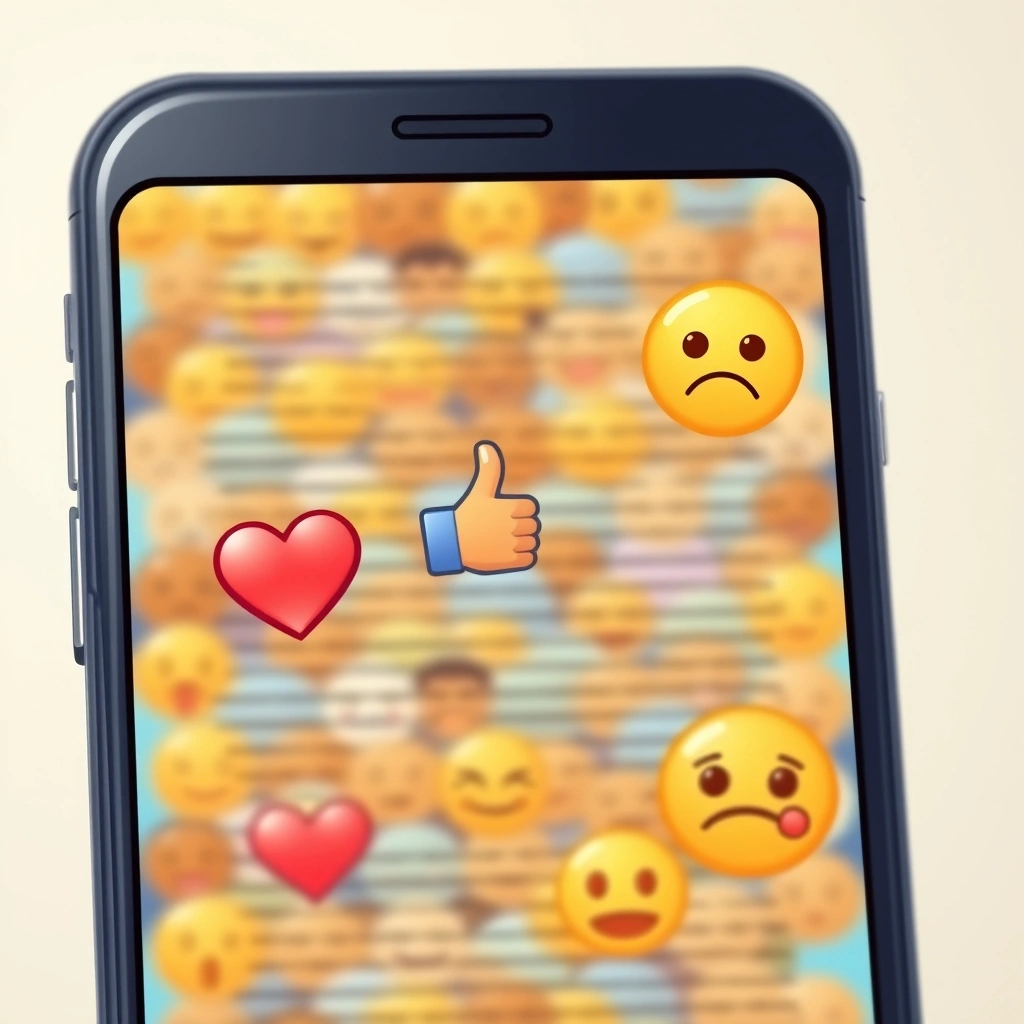
Then there's the echo. In active threads, you'll often see emojis used to create alignment or show you're part of the group. If three people react to a meme with the crying-laughing emoji 😂, the fourth person might feel a nudge to do the same, even if they only found it mildly funny. It’s a way of saying, "I'm following along, I get the joke, I'm part of this." The emoji becomes a tool for social cohesion, a quick way to meet the unspoken expectation to keep the vibe going.
When Expectations Clash
Of course, this system isn't perfect. Misreads happen all the time. The classic example? The thumbs-up 👍. For some, it's a genuine "got it" or "sounds good." For others, it's a passive-aggressive brush-off, a conversation-ender. In a busy thread, using it can accidentally signal disinterest or annoyance, creating tension where none was intended. The expectation you think you're setting (acknowledgment) might be read as a different one (dismissal).
Similarly, the single red heart ❤️ carries immense weight. In a close-knit friend thread, it's a standard sign of love. In a more casual or professional group, it can feel overly intimate, creating an expectation of closeness that might not exist. Dropping one requires reading the room's social contract, which is constantly being written and rewritten by the emojis everyone else is using.
These subtle signals shape the flow of our longest conversations. As discussed in our look at how emojis shape digital conversation flow, they provide rhythm and punctuation, telling us when to laugh, when to agree, and when a topic is winding down.
Navigating the Unspoken Rules
So, how do we navigate this? The first step is simply awareness. Start noticing the emoji patterns in your own active chats. What happens when someone breaks the pattern? Does the conversation stall, or does someone jump in with a new emoji to steer it back? Often, one person acts as an emoji moderator, using faces and symbols to gently guide the thread's emotional direction.
The key isn't to overthink every emoji you send. It's to understand that in the high-speed context of a group notification storm, these symbols are doing heavy lifting. They're managing attention, signaling agreement, softening criticism, and building rapport—all at once. They hint at the expectation to keep it light, to show support, to get serious, or to let a topic go.
In the end, emojis in busy threads are the digital equivalent of a nod, a smile, or a raised eyebrow in a crowded room. They are the tools we use to silently agree on what kind of conversation we're having, and what we expect from each other within it. By paying attention to this quiet language, we can communicate more thoughtfully and connect more easily, even when our screens are flooded with text.
This is part of the larger, secret language of emojis that operates beneath the surface of all our online interactions. It's a language of expectation, nuance, and unspoken agreement, one tiny, colorful character at a time.
📒 Related Blogs
More...How a Simple Emoji Can Save Your Busy Workday
How a Simple Emoji Can Defuse a Heated Online Argument
The Rise and Fall of Emoji Trends: How Our Digital Language Evolves
When Your Emoji Backfires: The Surprising Way Tone Gets Lost in Translation
Beyond Words: How Emojis are Revolutionizing Global Communication
The Quiet Magic of Emojis: How They Smooth Out Our Everyday Chats