The Unspoken Rules: How Emojis Shape Social Expectations in Your Online Chats

Jan 14,2026
Ever notice how a simple emoji can completely change the vibe of a text message? It's more than just adding a splash of color; these tiny icons are actually powerful silent negotiators in our online conversations, subtly hinting at the social expectations we have for each other. We use them intuitively, often without realizing the deep impact they have on how our messages are received and interpreted.
The Invisible Hand of Digital Etiquette
In the absence of facial expressions and vocal inflections, emojis step in to fill a crucial void. They act as a sort of digital body language, providing vital context and emotional cues that would otherwise be lost in plain text. Think about it: sending "Okay." versus "Okay 😊." The first can come across as abrupt or even annoyed, while the second instantly softens the tone, suggesting friendliness and acceptance. This isn't just about expression; it's about managing the recipient's expectations of your mood and the nature of the interaction.
Signaling Intent and Guiding Responses
Emojis are incredibly effective at signaling our true intent, helping to prevent misunderstandings that are all too common in text-based communication. When you send a joke followed by a 😂, you're not just laughing; you're explicitly telling the other person, "This was meant to be funny! Please laugh with me." Without it, your clever quip might land flat, or worse, be taken seriously or offensively. It's a gentle nudge, guiding the recipient towards the desired emotional response and confirming the social contract of the conversation.
Consider a work context: a boss sending "Can you get this done?" versus "Can you get this done? 🙏". The 🙏 emoji, while sometimes used for prayer, often implies a polite request, perhaps even a plea, setting an expectation of urgency or importance without being overtly demanding. It softens the command, expecting cooperation rather than just compliance.
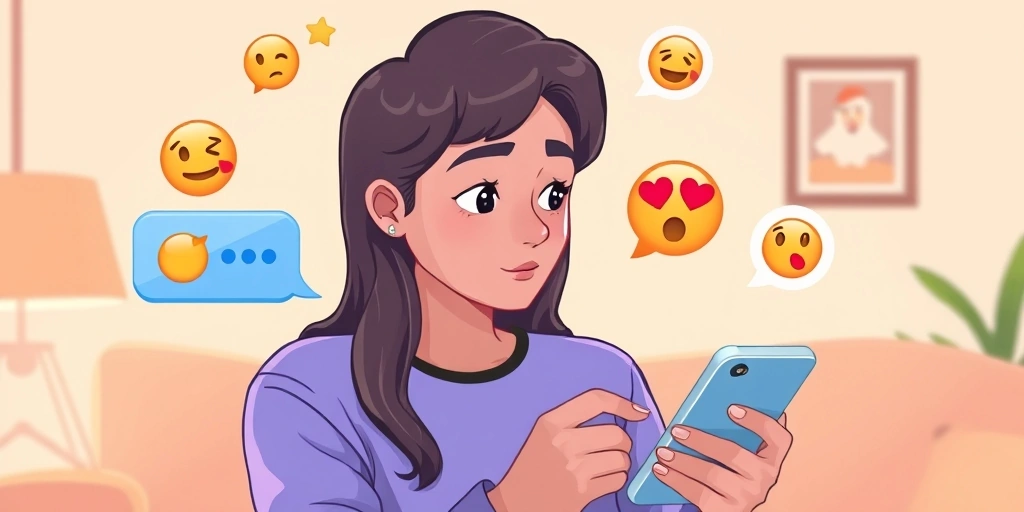
The Silent Architects of Tone
The choice of emoji can drastically alter the perceived tone of a message, shaping the entire interaction that follows. A sarcastic comment might be followed by a 😉 or a 🙄, signaling to the reader that they shouldn't take the words at face value. This manages expectations by inviting them into a shared understanding of irony or lighthearted exasperation. Without these cues, sarcasm often falls flat or, worse, causes genuine offense.
This is where emojis truly shine in setting social expectations. They give us a common ground for interpreting tricky nuances in conversation. They tell us, "Hey, this is casual," or "This is serious but empathetic," or "I'm being playful here." They are the unspoken agreements that allow us to navigate the complex landscape of online dialogue with a little more grace and a lot less confusion. If you've ever wondered how these little icons can steer your chats, this really highlights the emoji effect.
Cultivating Digital Rapport and Intimacy
Beyond clarifying intent, emojis play a significant role in building and maintaining social bonds online. A stream of hearts ❤️❤️❤️ or a series of enthusiastic emojis 🙌🥳 can convey warmth, support, and excitement that plain text struggles to capture. In group chats, a shared understanding of emoji usage can even become an inside joke or a way to reinforce group identity, creating a sense of belonging and mutual expectation among members. This is particularly true in how a tiny icon changes everything in your group chats, fostering a unique dynamic.
They help us convey empathy, celebrate successes, and offer comfort, all while maintaining the necessary brevity of text messaging. When a friend shares bad news, a simple 😢 or 🤗 can communicate solidarity and care, setting an expectation of emotional support without requiring a lengthy, formal response. It’s a powerful, concise way to meet social expectations for compassion.
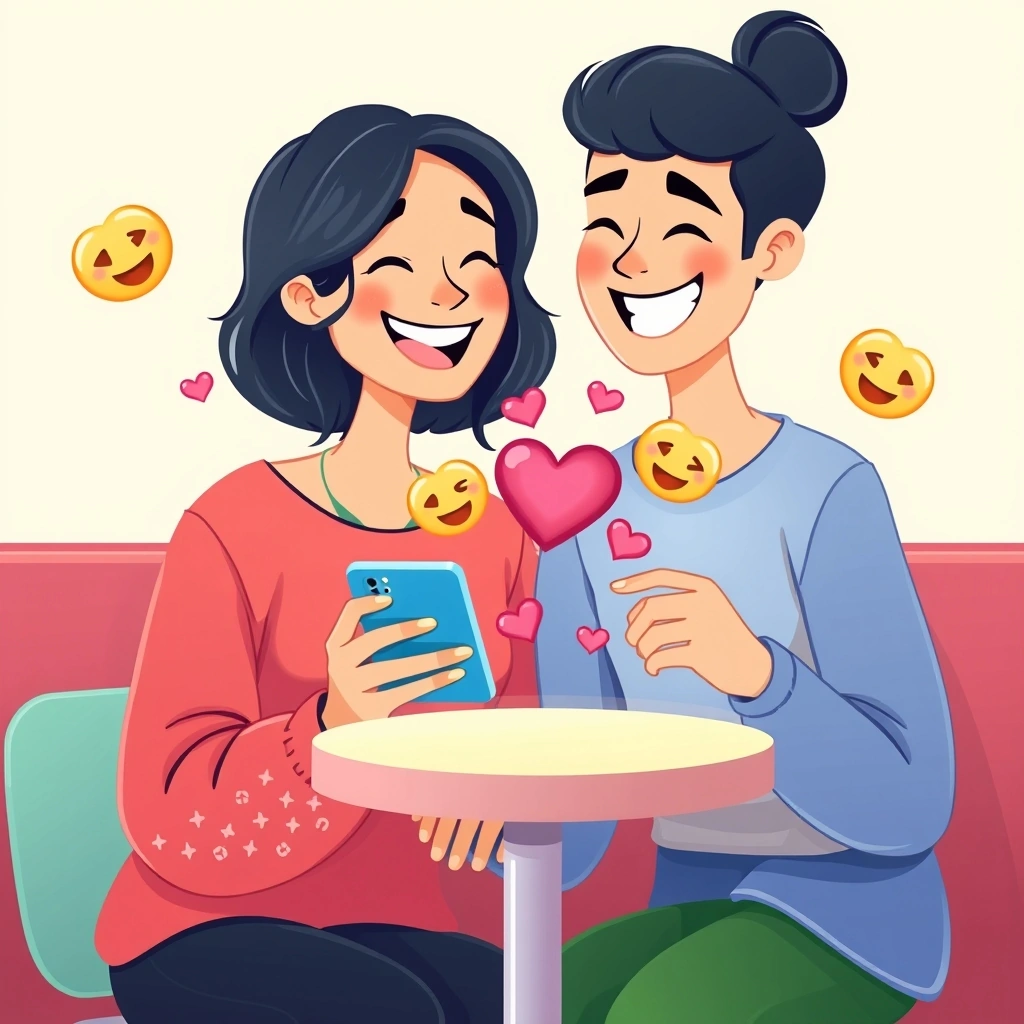
When Expectations Diverge: The Emoji Gap
Of course, not all emoji usage aligns perfectly. Sometimes, a mismatch in emoji interpretation or a difference in generational or cultural emoji habits can lead to an "emoji gap," where one person's social expectation clashes with another's. For instance, what one person considers a friendly, casual emoji, another might see as overly informal or even passive-aggressive. This can lead to minor friction, or at worst, miscommunications that strain relationships.
Navigating these situations requires a degree of emotional intelligence and an awareness that not everyone reads into emojis in the same way. It highlights the dynamic and often unspoken rules that govern our digital interactions, rules that are constantly being negotiated and redefined by our collective usage.
The Dynamic Nature of Digital Communication
The way we use and interpret emojis isn't static. It evolves with trends, cultural shifts, and even individual relationships. What was once universally understood might take on new nuances, and new emojis constantly emerge to fill gaps in our expressive toolkit. This fluidity means that the social expectations tied to emojis are also in constant motion, requiring us to stay attuned to the subtle shifts in digital discourse.
Ultimately, emojis are far more than mere embellishments. They are vital components of our digital lexicon, quietly shaping the social expectations that govern our online interactions. They help us convey intent, manage tone, build rapport, and navigate the tricky waters of text-based communication. Understanding their subtle power isn't just about mastering emoji etiquette; it's about grasping the deeper currents of human connection in the digital age. They are a cornerstone of effective emoji communication.
So, the next time you drop a quick emoji into a message, take a moment to appreciate the silent work it's doing. What social expectation are you setting? What response are you subtly inviting? The answers might surprise you, revealing just how much goes on beneath the surface of our seemingly simple digital chats.
📒 Related Blogs
More...How Emojis Save the Day: Bringing Clarity and Warmth to Your Work Emails
The Secret Language of Smiles: How Emojis Instantly Reveal Emotions Online
The Art of Emoji Etiquette: Mastering Professional Communication with Emojis
How a Simple Emoji Can Save Your Busy Workday
The Emoji Glow-Up: How Viral Trends Reshape Meanings Overnight 🤯
The Silent Cheers: How Emojis Have Become Our Everyday Excitement Detectors