When Emojis Get Lost in Translation: The Unseen Cost of Digital Misunderstanding

Feb 11,2026
It starts with a simple text. You're trying to be supportive, or maybe just lighten the mood. You tap the screen, choose an emoji that feels right, and hit send. Then, the reply comes back. It's cold. Confused. Maybe even a little hurt. And you're left staring at your phone, wondering what on earth went wrong. That innocent little picture just caused a digital misunderstanding.
This isn't about being careless. It's about the inherent ambiguity of visual language. An emoji isn't a word with a fixed dictionary definition. It's a symbol, open to interpretation, and that interpretation is shaped by a million tiny factors: your age, your culture, your relationship with the person you're texting, and even the platform you're using.
The Generational Divide in a Single Symbol
One of the most common fault lines runs between generations. What feels like a cheerful, casual symbol to a teenager can read as deeply sarcastic or even disrespectful to someone older. The classic "face with tears of joy" emoji is a perfect example. For many younger users, it's the ultimate marker of something being genuinely, laugh-out-loud funny. For some older audiences, it can still carry an older connotation of crying from sadness, or it might seem like an over-the-top, insincere reaction.
There's no right or wrong side here. It's simply a difference in how visual language has evolved within different social circles. Assuming everyone uses emojis the same way is where the trouble begins. It's a lesson many of us learn the hard way, often after a confusing exchange with a parent or a colleague. For more on how emoji tone can go unexpectedly awry, this piece on emoji tone pitfalls digs deeper into the emotional nuances.
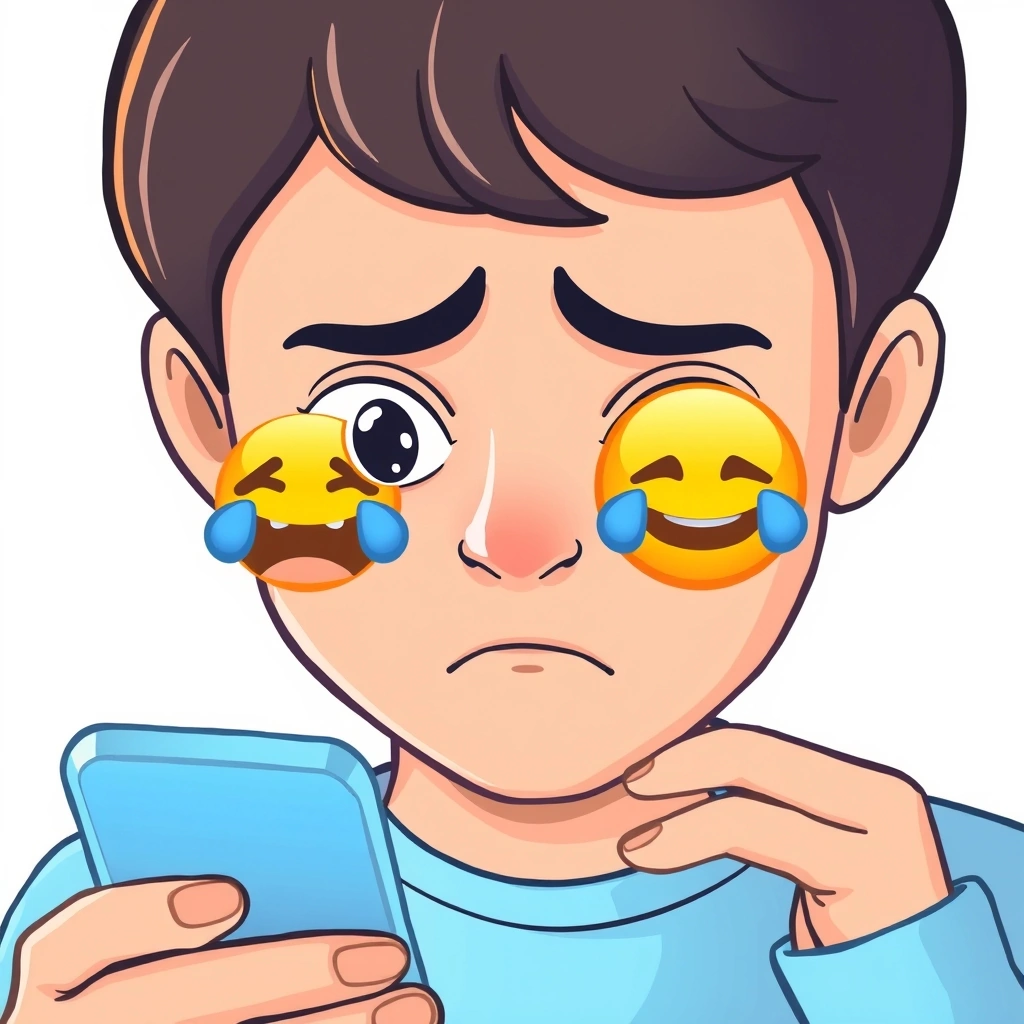
The platform itself adds another layer of complexity. An emoji that looks playful and winking on an iPhone might appear as a stark, intense leer on an Android device. These subtle design differences aren't just aesthetic; they change the entire emotional subtext of the message. When you're crafting a message, you're seeing one version. The person receiving it might be seeing something completely different, literally.
When Culture Colors Meaning
Beyond age and tech, culture plays a massive role. Certain hand gestures, animals, or objects carry specific, and sometimes opposite, meanings around the world. An emoji that signifies good luck in one culture might be an insult in another. In a globalized world where our group chats and social media feeds are incredibly diverse, this is a minefield most of us walk through blindly.
We often use emojis as emotional shorthand, a way to convey tone where plain text fails us. But when that shorthand is written in a language the other person doesn't fully speak, the tone doesn't just get lost—it gets twisted. The intent to be friendly is interpreted as flippant. An attempt at humor comes across as rude. The gap between what you meant and what was understood isn't just empty space; it's often filled with the other person's assumptions and past experiences.
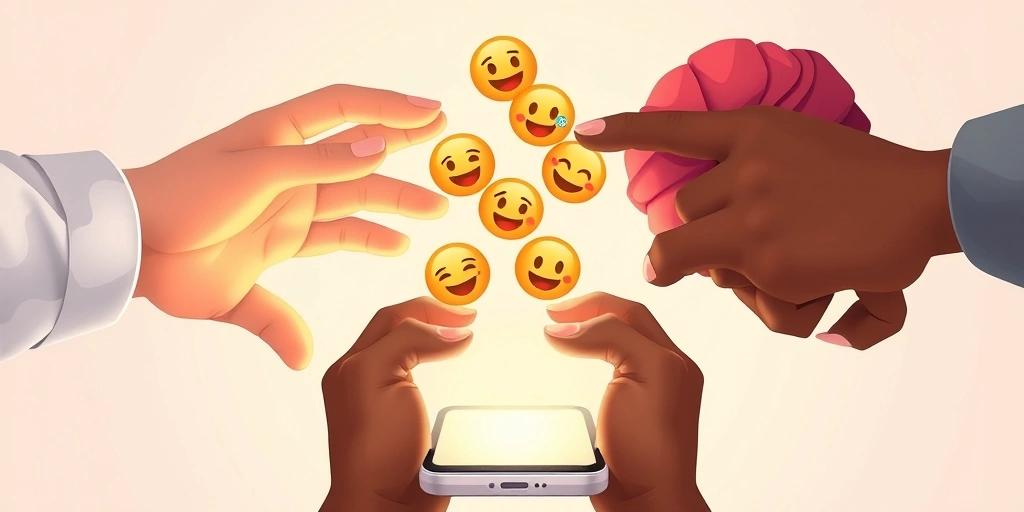
These misunderstandings can have real emotional weight. They can create lingering awkwardness in a friendship, sow doubt in a new relationship, or cause unnecessary tension in a workplace chat. The small, sinking feeling of realizing your joke didn't land because your emoji was read wrong is a uniquely modern form of social anxiety.
Navigating the Ambiguity
So, what can we do? The goal isn't to stop using emojis—they're a wonderful, rich part of how we connect. The goal is to use them with more awareness. Context is everything. The emoji you send to your best friend is probably not the one you should send to your boss. If a conversation is particularly important or sensitive, sometimes words alone are the safer choice.
It also helps to embrace a little humility. If someone seems to react oddly to an emoji you've used, it's okay to ask. A simple "Hey, did that come across the wrong way?" can clear the air instantly. It shows you care more about the connection than being right about the 'proper' use of a symbol.
At the end of the day, emojis are a language we're all still learning together. They're fluid, personal, and constantly changing. For more stories and insights into common emoji mix-ups, you can explore other articles in our emoji mistakes category. The occasional misunderstanding is almost inevitable. But by recognizing that our tiny digital icons carry big, sometimes unintended meanings, we can all try to be better translators for each other.
📒 Related Blogs
More...The Unseen Power: How Emojis Secretly Shape What Others Think of You
The Unsung Heroes of Group Chats: How Emojis Keep the Peace in Daily Messages
The Secret Language of Emojis: How They Become Our Instant Communication Shortcuts
The Neutral Nod: How Emojis Keep Remote Work Conversations Professional
Beyond Words: How Emojis Shape Our Online Personalities & Digital Identity
The Secret Language of Emojis: Unlocking Hidden Meanings & Popular Interpretations