How a Simple Emoji Can Save Your Team From a Major Slack Misunderstanding

Feb 13,2026
We've all been there. You type out a quick message in Slack, hit send, and then... silence. Or worse, you get a reply that feels a little frosty. You re-read your words: "Can you send me that report by EOD?" It seemed perfectly reasonable in your head. But on your colleague's screen, without the tone of your voice or the friendly smile you'd have in person, it might have read as a cold, demanding order.
This is the daily reality of digital workplace communication. Our words travel fast, but the human context—the warmth, the urgency, the gentle nudge—often gets lost in transmission. This is where the humble emoji steps in, not as a frivolous decoration, but as a vital tool for emotional clarity.
The Tone-Deficit in Text
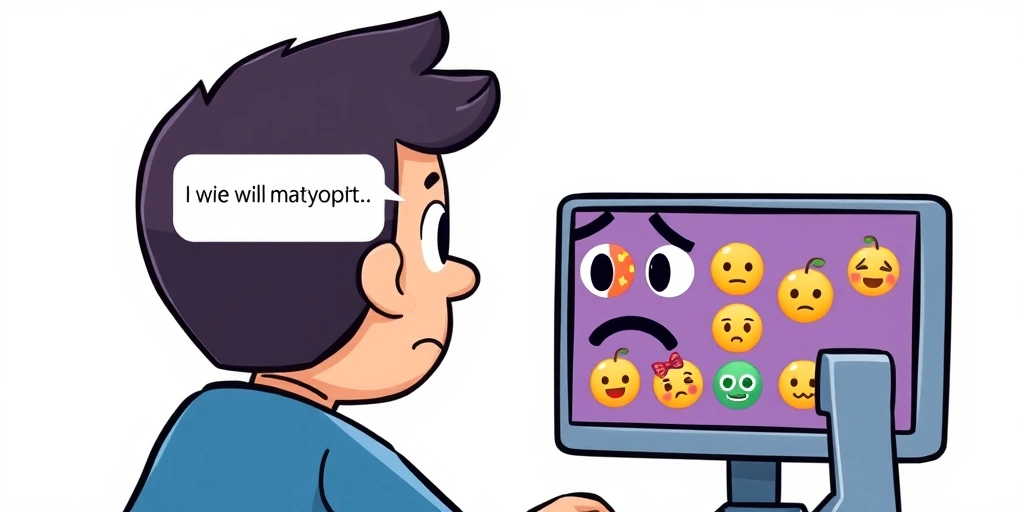
When we talk face-to-face, we use a symphony of cues: facial expressions, gestures, and vocal inflection. These elements do the heavy lifting of conveying intent. In a text-based channel like Slack, we're stripped down to just the words. A statement like "Great job on the presentation" could be genuinely enthusiastic, subtly sarcastic, or passively aggressive, depending on the reader's mood and the sender's history.
This ambiguity is a breeding ground for misunderstandings. A team member might spend hours worrying they've offended you, or a project might stall because someone misinterpreted a request as criticism. It drains energy and erodes trust.
Emojis as Emotional Shortcuts
This is precisely why emojis have become indispensable in our professional toolkit. They are the punctuation of the digital age, but for feelings. They plug the tone gap with incredible efficiency.
Let's revisit that earlier request. Compare these two messages:
Message A: "Can you send me that report by EOD?"
Message B: "Can you send me that report by EOD? 😊"
The difference is night and day. Message A is neutral and could be stressful. Message B, with that simple smiling face, instantly communicates a friendly, collaborative tone. It says, "I'm asking for your help, and I appreciate it." The core request is the same, but the emotional packaging ensures it's received as intended.
Think of a thumbs up (👍) to quickly acknowledge a message without typing "got it." Or a lightbulb (💡) to show you love someone's idea. A red siren (🚨) can flag genuine urgency without typing "THIS IS SUPER URGENT!!!" which feels like shouting. These tiny icons act as universal emotional shorthand, making our communication faster and clearer.
Building a Positive Culture, One Emoji at a Time
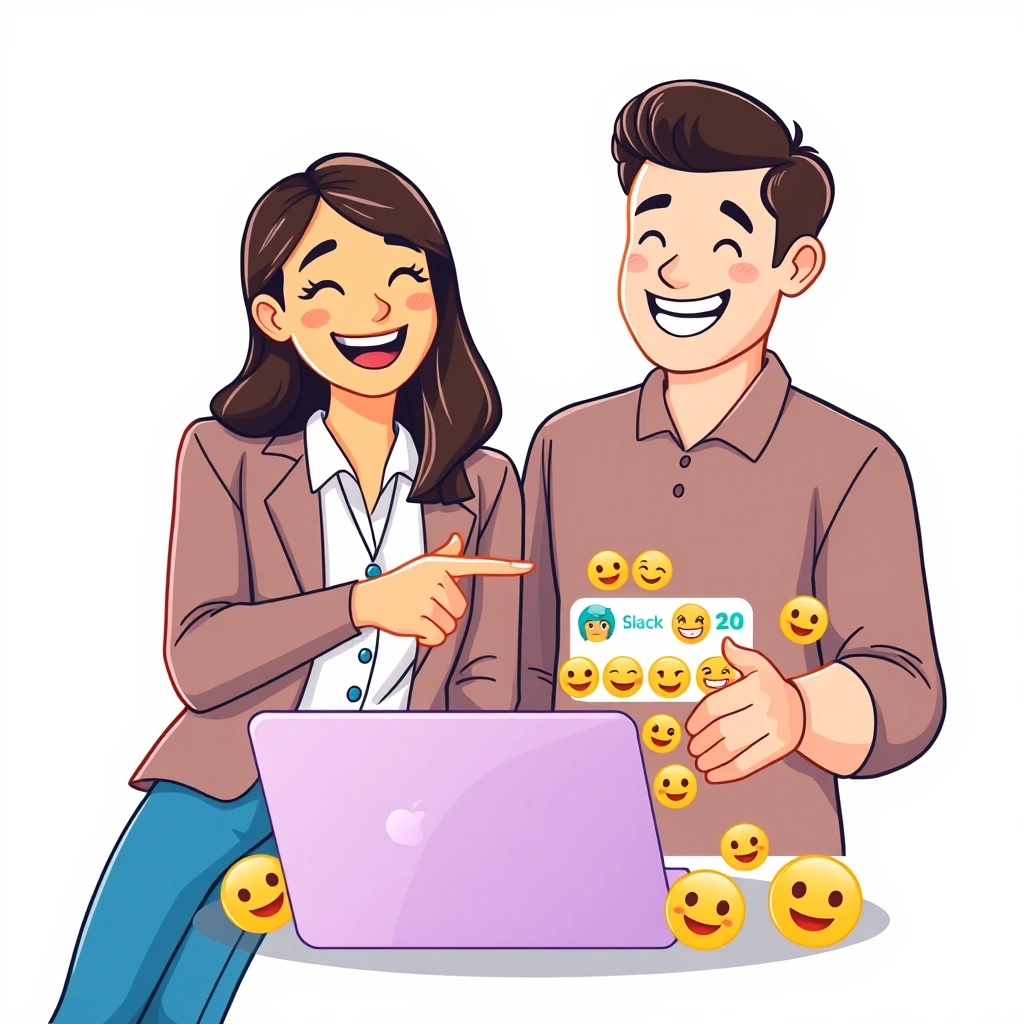
The benefits go beyond avoiding single misunderstandings. Consistent, positive emoji use actively shapes team culture. Celebrating wins with party poppers (🎉) or clapping hands (👏) fosters recognition. Using a heart (❤️) or a hugging face (🤗) to thank someone for extra effort builds psychological safety and connection, especially in remote or hybrid teams where those hallway "thank yous" don't happen.
It creates a more human, approachable digital workspace. For more on striking the right balance between professional and friendly, check out our guide on how emojis keep your Slack messages professional and friendly.
Practical Tips for Emoji Clarity
Ready to use emojis to cut through the confusion? Here are a few simple guidelines:
- Reinforce, Don't Replace: Emojis work best to support your words, not replace them. Don't just send a chart going down (📉); say "Sales are down this quarter 📉."
- Know Your Audience: A grinning face (😁) might be perfect for your close team, but a simple smile (🙂) might be better for a first-time message to a client.
- Use Reacts for Efficiency: Instead of cluttering a thread with "Thanks!" or "Agreed," use the emoji react feature. It’s a powerful way to give feedback without creating notification noise.
- When in Doubt, Keep it Simple: The most common emojis—smileys, thumbs up, check marks—are universally understood. You can explore more nuanced emojis as your team's "emoji literacy" grows together.
At the end of the day, our goal at work is to connect, collaborate, and get things done. Misunderstandings are roadblocks on that path. By intentionally adding a layer of emotional context with emojis, we smooth the road. We ensure our ideas, requests, and feedback are received not just as text on a screen, but as human communication with intent and respect.
So next time you're about to send a message that feels a little bare or could be read the wrong way, pause. Ask yourself: "What's the tone here?" Then, let a tiny, powerful emoji do the talking for you. Your team's clarity—and sanity—will thank you for it. For more insights on integrating emojis into your professional life, explore our other articles in the Emoji & Work category.
📒 Related Blogs
More...The Emoji Chameleon: How Digital Trends Secretly Reshape What Your Favorite Emojis Really Mean
Emoji Etiquette: Navigating the Unwritten Rules of Digital Expression & Communication
Emojis in Business: Boosting Brand Connection & Customer Engagement
How a Simple Emoji Can Make Your Deadline Reminders Sound More Polite
The Secret Power of Emojis: How a Single Symbol Can Change a Conversation
The Anticipation Pixel: How Emojis Bridge the Gap in Emotional Uncertainty