How a Simple Emoji Can Make Your Deadline Reminders Sound More Polite

Feb 11,2026
We've all been there. You need to send a quick message about a project deadline. You type it out, read it back, and it just sounds... harsh. Even a simple "Just checking in on the Q3 report, it's due EOD" can land with a thud, feeling more like a command than a collaborative check-in. In the text-based world of workplace chat, where tone and body language are absent, our words can easily be misinterpreted.
This is where the humble emoji steps in as an unsung hero of professional politeness. It's not about being unprofessional or childish; it's about adding a layer of human nuance that plain text desperately lacks. A single, well-chosen emoji can transform the emotional subtext of your message.
The Tone Translator We All Need
Think of an emoji as a tiny tone translator. When you write "Any updates on this?" it's a neutral, open-ended question. But in a fast-paced chat, a busy colleague might read urgency or impatience into it. Add a slight smile 😊 or a friendly thumbs up 👍, and suddenly the question feels supportive. It signals, "I'm following up, but I'm on your team."
This is especially crucial around deadlines, a time when stress is high and communication needs to be exceptionally clear and kind. A deadline reminder is essential, but its delivery can either fuel anxiety or promote calm focus.
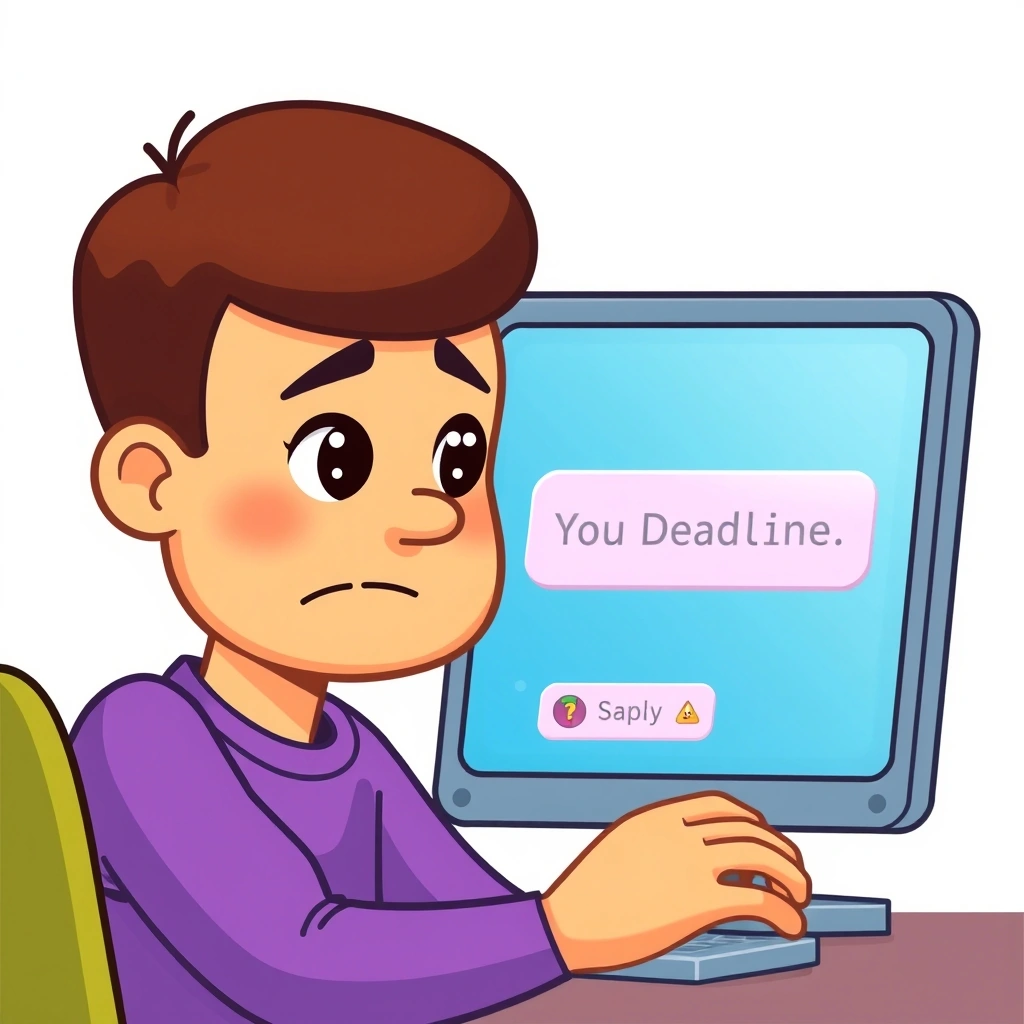
For example, compare these two messages:
- Without emoji: "The client presentation slides need to be finalized by 3 PM."
- With emoji: "A quick reminder that the client presentation slides need to be finalized by 3 PM. We're almost there! 💪"
The first is a bare fact. The second acknowledges effort ("we're almost there!") and uses the flexed bicep 💪 emoji to convey teamwork and strength. It frames the deadline as a shared milestone to conquer, not a solitary burden.
Softening the Ask
Emojis are brilliant at softening requests. Need to ask someone for a last-minute piece of work? A pleading or grimacing face 😬 can acknowledge the inconvenience. "Sorry for the last-minute ask, but could you add the sales figures? 😬" This non-verbally communicates, "I know this isn't ideal," building empathy before the request is even fully processed.
Similarly, when giving a gentle nudge, a simple clock emoji ⏰ or hourglass ⌛ can visually represent the time element without needing to write "time is running out," which can sound dramatic. "Friendly nudge on the budget draft! ⏰" feels lighter and more visual.
This practice is part of a broader shift towards more humane digital communication. For more on making brief replies feel thoughtful, you can see examples in our post on crushing deadlines with a smile.
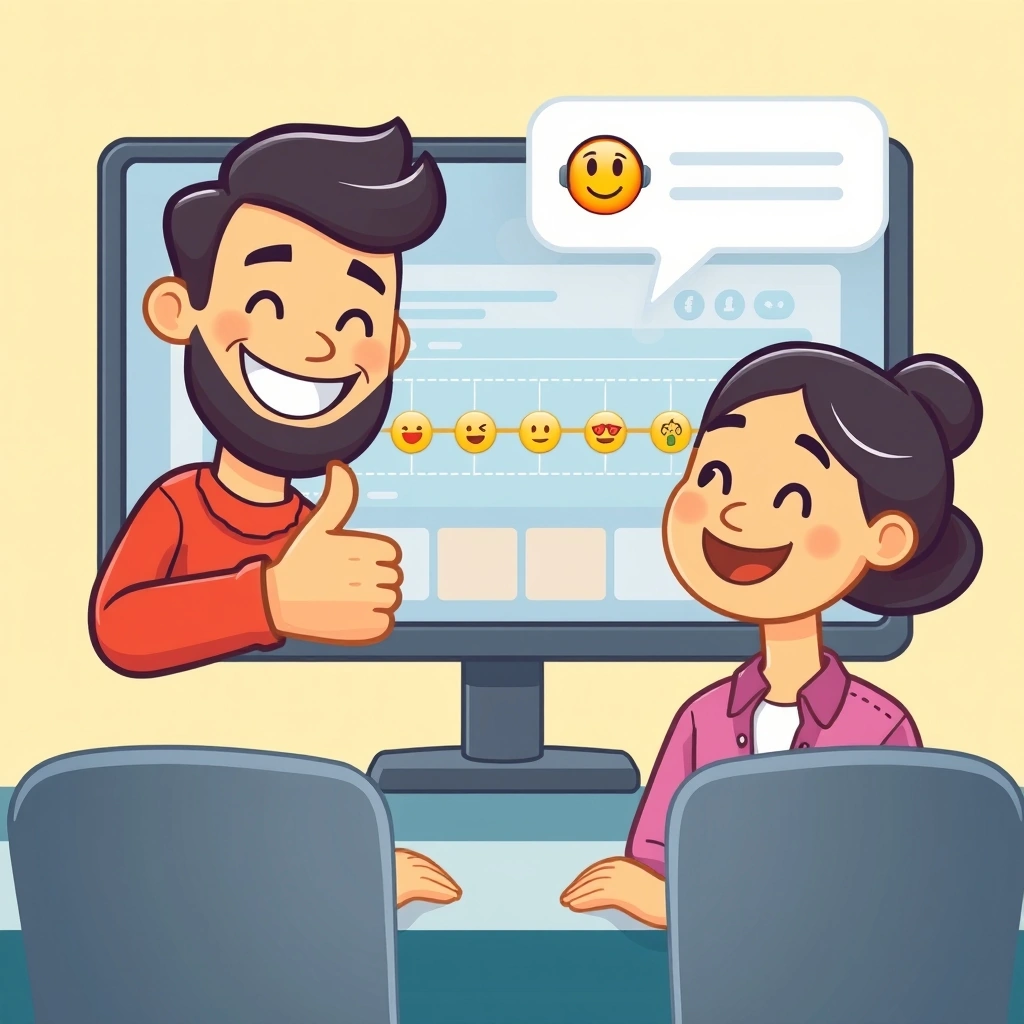
Choosing the Right Emoji for the Job
Not all emojis are created equal in a professional context. The goal is to reduce ambiguity, not increase it. Generally, it's best to stick with:
- Positive & Supportive: 👍 👏 🙌 💪 (for teamwork, agreement, encouragement)
- Neutral & Informative: ⏰ 📋 ✅ 📎 (to indicate time, lists, completion, attachments)
- Subtly Expressive: 😊 🙏 😬 (to show appreciation, apology, or mild stress)
It's usually wise to avoid overly casual emojis (like 😝 or 🤪) or romantic/emotional ones (like 😍 or 😘) in general work communications, unless your team culture explicitly uses them. The red heart ❤️, for instance, has been adopted by many teams to express gratitude or solidarity, but it's best to observe your own workplace's norms first.
It's About Building a Better Culture
Ultimately, using emojis politely around deadlines isn't just about one message. It's about contributing to a team culture that values clear and considerate communication. When everyone feels that reminders are given with good intent, it reduces defensive reactions and fosters psychological safety. People are more likely to speak up about potential delays if they don't fear a harsh response.
This approach helps smooth out conversations even under significant pressure. The principles of maintaining clarity while managing tone are explored further in our article about how to beat deadline stress with emojis.
So, the next time you're about to send a deadline-related message, pause for a second. Could a single emoji make your intention clearer and your tone warmer? That tiny digital icon might be the simplest tool you have to build a more polite, collaborative, and less stressful workplace, one message at a time.
📒 Related Blogs
More...From Kaomoji to Unicode: Tracing the Fascinating Evolution of Emojis
The Secret Power of Emoji Order: How Sequence Changes Everything in Your Comments
5 Creative Ways Emojis Boost Your Brand's Social Media Engagement
The Emoji Filter: How a Simple Icon Can Change Your Entire Argument
The Emoji Chameleon: How Digital Trends Secretly Reshape What Your Favorite Emojis Really Mean
When Emojis Cause Confusion: How Group Chats Can Twist Your Intent