How Emojis Change Our Voice: A Mirror to Our Digital Selves

Mar 10,2026
Think about the last text you sent to a close friend. Now, think about the last message you posted in a work Slack channel. Chances are, your tone, your word choice, and yes, your emoji use were completely different. It’s something we do almost without thinking. We adapt. Our communication style bends and flexes to fit the platform, the audience, and the unspoken rules of the space we’re in. And more often than not, our emojis are the perfect little mirrors to this shift.
They’re not just decorative confetti. Emojis carry the emotional weight, the nuance, and the social cues that plain text often lacks. They soften a blunt statement, amplify a joke, or signal solidarity. But which emojis we choose to do that job changes dramatically depending on where we are online.
The Playground of Casual Chat
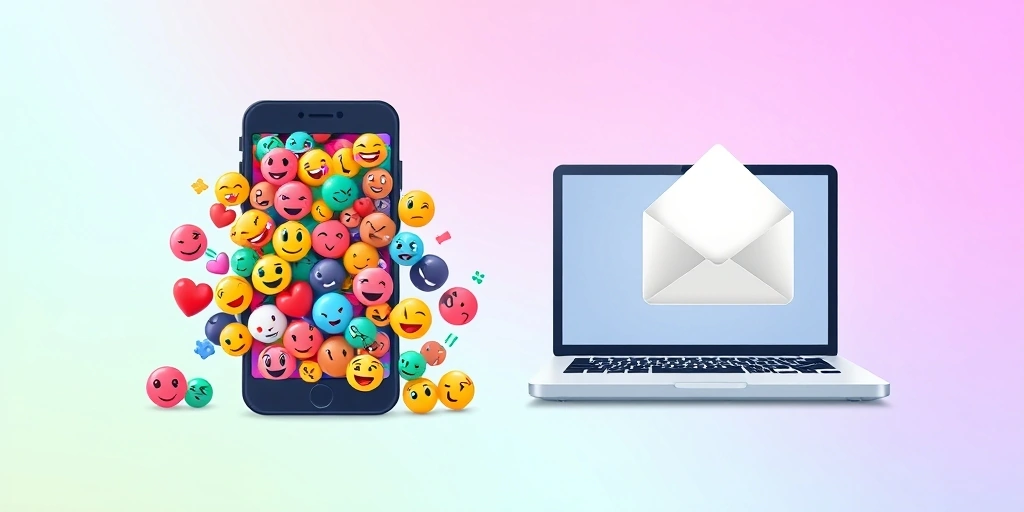
On platforms like Instagram Stories, WhatsApp with friends, or TikTok comments, emoji use is often exuberant, creative, and deeply personal. This is the realm of the crying-laughing face 😂, the heart eyes 😍, and the fire 🔥. Sequences and combinations tell inside jokes. A string of hearts might follow a supportive comment; a single skull 💀 can signify something is hilariously relatable. The rules are loose, and the primary goal is connection and emotional resonance. It’s less about precise meaning and more about sharing a vibe.
This casual, expressive style is a fascinating part of emoji culture and trends, showing how we build digital intimacy. The emojis here act as our digital body language—a wink, a nudge, a shared grin that makes pixels feel personal.
The Professional Filter
Now, switch contexts to email or a platform like LinkedIn or Microsoft Teams. The emoji landscape transforms. The goal shifts from pure expression to efficient, clear, and often polite communication. The palette narrows considerably. You’re far more likely to see a simple thumbs-up 👍, a checkmark ✅, or a brief “thanks!” followed by a smiling face 🙂.
Here, emojis are used strategically to mitigate the perceived coldness of text. A smiley at the end of a request can make it feel less like a demand. A celebratory 🎉 in a team channel can boost morale. But the wild, emotional emojis of personal chats are usually left at the door. An inappropriate or overly casual emoji can feel jarring, like showing up to a board meeting in beachwear. The style is restrained, functional, and deeply aware of hierarchy and context.
The Nuanced Middle Ground
Then there are the spaces in between, like Twitter (or X) or group chats with acquaintances. This is where communication styles—and thus emoji use—can get really interesting and sometimes fraught. You might use a laughing emoji, but is it the full-on 😂, the more subdued 😄, or the slightly skeptical 😏? Each carries a different subtext. A single period followed by a thinking face 🤔 can convey deep skepticism without saying a word.
In these semi-public or mixed-audience forums, emojis become a tool for careful persona management. They help us signal which ‘side’ of ourselves we’re presenting—the professional observer, the witty commentator, or the engaged community member. As discussed in our look at the secret language of generations, these choices often bridge gaps but can also create them.
Why Does This Shift Matter?
Observing these patterns isn’t just academic. It shows us how adeptly humans use tools to navigate social complexity. Emojis have become a critical part of our digital literacy. Knowing when to use a red heart ❤️ versus a yellow heart 💛, or a grinning face 😀 versus a beaming face with smiling eyes 😁, is a modern social skill.
This constant code-switching, mirrored in our emoji keyboards, highlights a fundamental truth about online life: we are not one static self online. We are a collection of contextual selves. The platform sets the stage, and we choose the costume and the props—our words and our emojis—to perform appropriately for that particular audience. In many ways, they have become our digital mood rings, but also our social uniforms.
So, the next time you’re about to hit send, take a half-second to glance at the emojis you’ve included. Ask yourself: Who is this for? Where is this going? What version of me is typing this? That tiny, colorful character might be revealing more about your digital environment—and your adapted self within it—than you ever realized.
📒 Related Blogs
More...The Quiet Nod in the Chat: How a Simple Emoji Says 'I See You' to Family
The Hidden Language of Emoji Sequences: How Tiny Icons Shape Your Chat's Vibe
The Quiet Power of Emojis: Boosting Confidence in Subtle Conversations
The Digital Chameleon: How Emojis Shape-Shift with Every Viral Trend
The Secret Weapon for Your Social Media Tone? It's in Your Emoji Keyboard
Crushing Deadlines with a Smile: How Emojis Make Brief Work Replies Feel Thoughtful