The Secret Weapon for Your Social Media Tone? It's in Your Emoji Keyboard

Feb 23,2026
The Unspoken Rules of a Tiny Screen
Let's be honest. Posting on social media can feel like walking a tightrope. You have a thought, a joke, a piece of news, but in just a sentence or two, how do you make sure it lands the way you intend? Without the benefit of your voice, your facial expressions, or the context of a longer conversation, your words are naked. They're vulnerable to being read in the worst possible light. This is where our little digital friends, emojis, step in not just as decoration, but as essential tone managers.
Think about the last time you read a dry, factual statement like "Meeting moved to 3 PM." Now read it with a smiling face: "Meeting moved to 3 PM 😊." The difference is profound. The first feels like a cold, bureaucratic announcement. The second feels considerate, maybe even a little apologetic for the change. With one character, you've managed the public perception of that message.
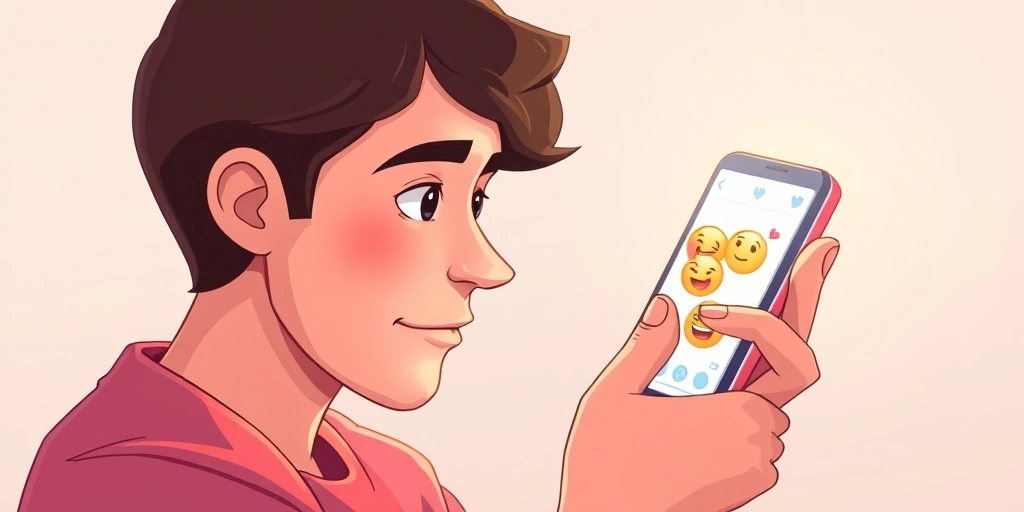
From Ambiguity to Clarity in a Single Tap
Short-form content is a breeding ground for misunderstanding. Sarcasm famously doesn't translate via text. A playful jab can be read as a cruel insult. A simple statement of opinion can come across as a hostile declaration. Emojis are the quickest, most universal way to flag your intent. A wink 😉 says, "I'm kidding." A thinking face 🤔 says, "I'm pondering this, not attacking it." A pleading face 🥺 softens a request from a demand into an appeal.
This isn't about being childish; it's about being clear. In a public forum, where anyone from your boss to your grandmother might see your post, managing that tone isn't just polite—it's strategic. It protects your relationships and your reputation. For more on how these small symbols build bigger connections, check out our thoughts on how emojis supercharge engagement in online communities.
The Emotional Shortcut We All Understand
Emojis function as emotional shorthand. They convey complex feelings—excitement, disappointment, solidarity, amusement—instantly. In the limited real estate of a tweet or a caption, you don't have room to write, "I'm sharing this news with a mix of hesitant optimism and cautious excitement." But you can write the news and add a 🤞🧐. Your audience gets it. They feel the nuance.
This is especially powerful for brands and creators. A company announcing a product delay with a sad face 😔 and a determined fist ✊ communicates regret and resilience. It humanizes the brand. It tells the public, "We feel this too, and we're working on it," which is infinitely better than a sterile, emotionless corporate statement. The tone is managed, and the potential backlash is mitigated.
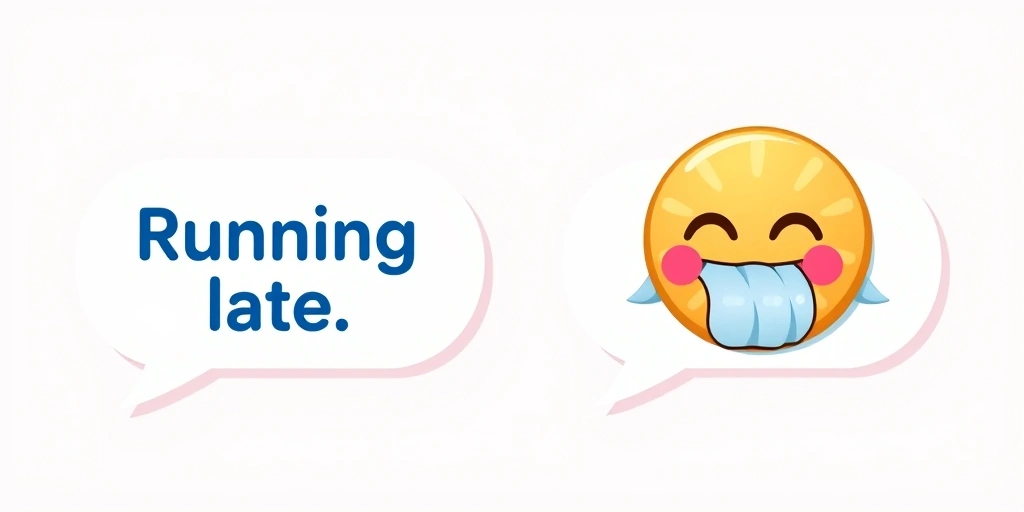
Building Bridges, Not Walls
Ultimately, using emojis to manage tone is about fostering connection. It signals that you're part of the same digital culture, that you understand the unwritten rules of communication in these spaces. It makes your content feel more approachable, more conversational, and more human. When you end a potentially contentious opinion with a shrug 🤷 or a palms-up gesture 🤲, you're inviting discussion, not declaring war.
It's fascinating to see how a single, well-placed symbol can shift an entire conversation. Sometimes, the right emoji can be the spark that turns a simple post into a shared moment. We explored this idea further in a piece on the viral power of a single emoji.
So next time you're about to hit 'post' on that tweet, Instagram story, or LinkedIn update, pause for a second. Read it back. How does it *feel*? Is the tone clear? Could it be misread? Your emoji keyboard is more than a set of cute pictures; it's your toolkit for navigating the nuanced, often treacherous, waters of public digital speech. Use it wisely, and watch how your connections deepen.
For more insights into the intersection of emojis and our digital social lives, explore our full collection of articles on emoji and social media.
📒 Related Blogs
More...The Hidden Power of Emojis: How Tiny Icons Shape Our Digital Conversations
The Hidden Power of Emojis: How Tiny Icons Shape Our Digital Conversations
The Gentle Art of the Quick Reply: How Emojis Soften Our Fast-Paced Chats
The Subtle Power: How Emojis Shape Professional Messages
The Hidden Science of Emojis: How a Simple 😂 or ❤️ Shapes Your Social Media Feed
The Digital Chameleon: How Emojis Shape-Shift with Every Viral Trend