The Gentle Art of the Quick Reply: How Emojis Soften Our Fast-Paced Chats

Feb 09,2026
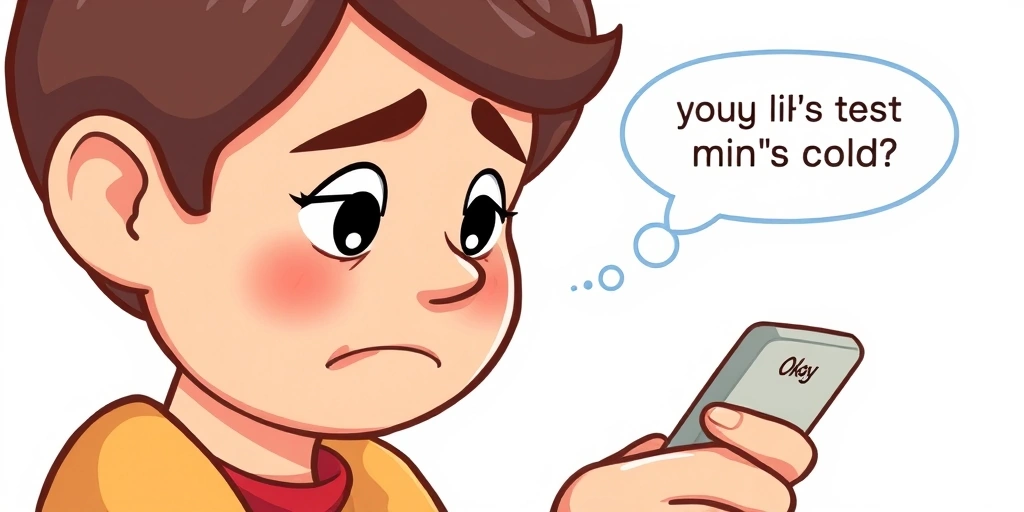
We’ve all been there. You’re in the middle of a busy day, juggling work, life, and a dozen different chat threads. A message pops up, you read it, and you need to respond quickly. You type out a simple “Okay,” “Sure,” or “Got it.” You hit send. And then… a tiny wave of doubt. Did that sound too blunt? Too cold? Like I’m annoyed?
In the world of fast-paced digital communication, our words often get stripped down to their bare essentials. We lose the body language, the vocal tone, the friendly smile that would naturally accompany our response in person. What’s left can sometimes feel a little… stark. This is where our tiny, colorful friends come in to save the day.
An emoji, in the context of a brief reply, isn’t just decoration. It’s a tone-setter. It’s the digital equivalent of a nod and a smile as you walk past a colleague. It fills in the emotional blanks that our hurried words leave behind.
Why Our Short Texts Need a Little Help
Think about the last time you received a plain “K.” from someone. How did it feel? For many of us, it lands with a thud. It’s efficient, sure, but it carries zero emotional data. The sender could be perfectly happy, deeply focused, or mildly irritated—you have no way of knowing. This ambiguity is the root of so much digital misunderstanding.
When we’re moving quickly, we don’t have time to craft elaborate sentences that convey our exact mood. But we do have time for one extra tap. That tap can transform the entire feeling of a message.
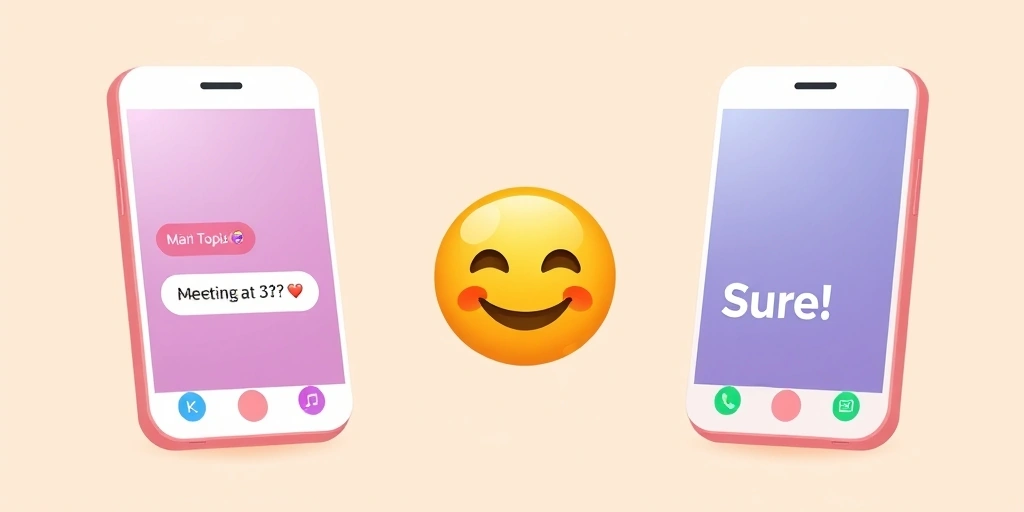
“Sounds good” is a fine confirmation. “Sounds good 😊” is a warm, agreeable confirmation. “I’ll be there at 5” is a statement of fact. “I’ll be there at 5 👍” is a confident, positive affirmation. The core information is identical, but the emotional subtext is worlds apart. This subtle layer is what keeps conversations flowing smoothly and prevents that awkward “Is everything okay?” follow-up text.
This concept connects deeply to the idea of emojis as the unsung heroes of our digital conversations. They do the quiet, essential work of maintaining social harmony when our words are at their most minimal.
Choosing the Right Softening Touch
Not every emoji works for every short reply. The goal is to match the emoji’s sentiment to your genuine intent. A thumbs-up or a simple smiley face (😊, 🙂) are incredibly versatile for positive, neutral, or agreeable responses. A heart (❤️, 🥰) can add a layer of affection among close friends or family. A face with tears of joy (😂) can show you found something funny, even if your only typed response was “No way!”
The key is authenticity. A grimacing face 😬 after a “Sure…” might honestly convey reluctant agreement, which is more truthful and communicative than a misleading “Sure 😊”. It’s about letting the emoji tell the rest of the story your short words can’t.
It’s also worth remembering that this isn’t about creating hard rules. It’s about having an option in your toolkit. Sometimes a plain “Okay” is perfectly fine, especially in a very rapid-fire, task-oriented exchange. The power lies in knowing you *can* add that splash of tone when you feel the conversation needs it.
For more insights into using emojis effectively in your daily messaging, exploring different guides and how-tos can offer fresh perspectives. It’s less about learning a manual and more about discovering new ways to connect.
The Ripple Effect of a Single Emoji
This practice does more than just clarify a single message. It sets a tone for the entire interaction. When you consistently use emojis to soften your brief replies, you’re subcommunicating something important: “I am engaged in this conversation. I am friendly. I am not annoyed by your messages.” This builds a foundation of goodwill and warmth, even when the topic is mundane or the pace is hectic.
It tells the other person that you’re not just processing their words as data; you’re participating in a social exchange. In a way, that little emoji is a micro-act of kindness in the digital space. It says, “I see you, and I’m making the small effort to ensure you feel seen and heard.”
So next time you’re about to fire off a quick “Yep,” “On it,” or “Thanks,” pause for a half-second. Ask yourself: Could this use a dash of tone? Would a simple 🙂 or a 👍 make this feel more like me? That tiny investment can make your fast-paced chats feel less like transactional data transfers and more like the friendly, human conversations they’re meant to be. After all, as explored in discussions on how emojis keep our digital chats flowing, these small symbols are fundamental to the texture of our online relationships.
In the end, it’s not about complicating something simple. It’s about completing it. Our brief replies give the information; a well-chosen emoji gives the heart. And in the rush of everyday life, that heart is what keeps us connected.
📒 Related Blogs
More...Beyond the Smile: Understanding the Global Cultural Nuances of Emojis
When Words Are Too Much: How Emojis Carry Our Emotional Weight
The Silent Language: How Emojis Keep Our Everyday Conversations Flowing Smoothly
The Emoji Takeover: How Tiny Icons Replaced Our Small Talk
The Silent Misunderstanding: When Your Emoji's Message Gets Lost in Translation
The Pause Before the Emoji: How a Tiny Symbol Can Hold Space in a Difficult Conversation