The Hidden Power of Emojis: How Tiny Icons Shape Our Digital Conversations

Feb 11,2026
You know that feeling. You send a perfectly normal text, maybe something like "Sure, that's fine." A minute passes. Then two. You start to wonder: did it sound annoyed? Did they think I was being sarcastic? In a panic, you fire off a follow-up: "Sure, that's fine 😊". Suddenly, the entire tone shifts. The message is no longer ambiguous; it's friendly, agreeable, warm. All from one tiny, yellow face.
This is the daily reality of digital communication. Without the body language, tone of voice, and facial expressions that fill our in-person chats, our short messages are a minefield of potential misunderstanding. This is where emojis step in, not just as cute decorations, but as essential tools for emotional clarity. They are the body language of the digital age.
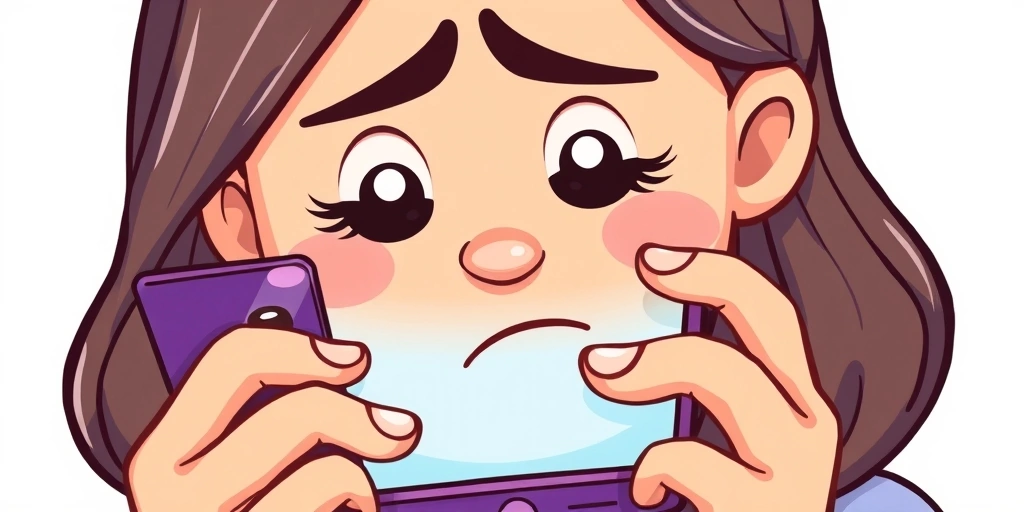
Think about the last time you received a message that was just plain text. "Great job." What does that mean? Is it genuine praise from a pleased boss? Is it a sarcastic dig from a friend after a minor blunder? The intent is completely up for grabs. Now imagine that same message with a clapping hands emoji 👏 or a face with tears of joy 😂. The intent snaps into focus instantly. The emoji acts as a tone indicator, guiding the reader's subconscious toward the correct emotional interpretation.
This isn't just a feeling; it's backed by how our brains work. We are wired to seek out social and emotional cues. When those cues are absent, our minds try to fill in the blanks, often leaning toward negative interpretations—a phenomenon sometimes called the "negativity bias" in text. An emoji short-circuits that anxiety. It provides the missing data point, telling our brain, "This is safe, this is friendly, this is a joke."
More Than Just a Smiley Face
Of course, it's not just about making things positive. Emojis convey a vast spectrum of nuance. A simple "okay" can be transformed in countless ways:
- Okay 👍 (Affirmation, agreement)
- Okay 👌 ("Got it," perfection)
- Okay 😒 (Reluctant, annoyed agreement)
- Okay 🥴 (Confused, overwhelmed agreement)
- Okay 💀 ("This is so wild it killed me," agreement)
Each one sends a completely different subtext, shaping not just how the message is received, but how the relationship feels in that moment. They allow us to be softer, sillier, or more empathetic with just a tap. For more on how these symbols become our instant communication shortcuts, you can explore the secret language of emojis.
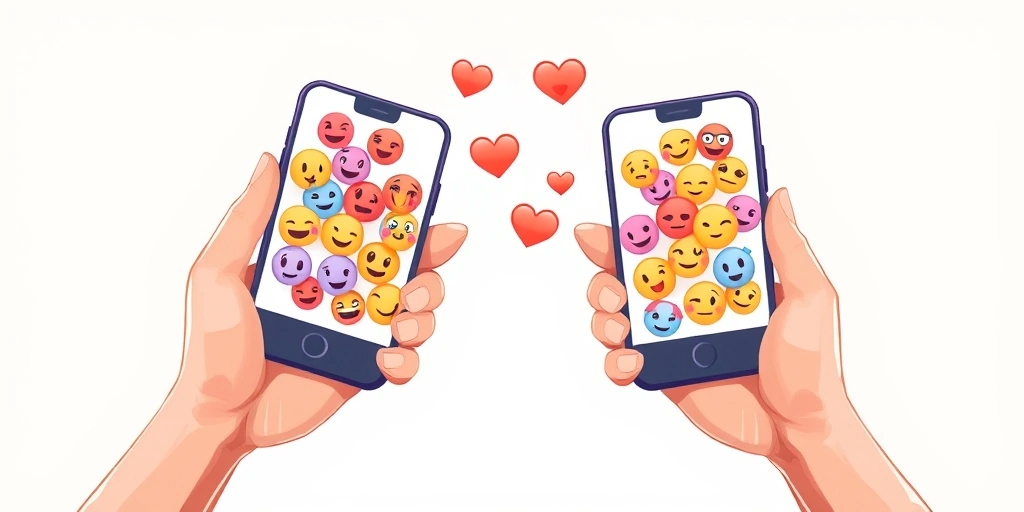
The Risk of Getting It Wrong
With great power comes great responsibility (and the occasional awkward misstep). The wrong emoji can create just as much confusion as no emoji at all. Using a laughing-crying face 😂 in a serious conversation can seem dismissive. The infamous thumbs-up 👍 can read as passive-aggressive to some. And generational or cultural differences in emoji meaning are a whole other layer to navigate—what's a friendly gesture to you might be deeply offensive to someone else.
This complexity shows that we're not just slapping pictures onto words. We're engaging in a sophisticated, if subconscious, dance of emotional calibration. We choose an emoji based on our intent, our relationship with the recipient, and the platform we're on. It's a micro-decision that carries macro meaning for our connections.
Ultimately, emojis are filling a critical gap in our fast-paced, text-heavy world. They are the punctuation marks for emotion, the quick winks and nods that build trust and prevent fights. They help us be more human when we're communicating through screens. The next time you hesitate before adding that heart ❤️, fire, or thinking face 🤔 to a message, remember: you're not just decorating your text. You're actively shaping how someone will feel when they read it. You're guiding their interpretation and, in a small but significant way, nurturing your connection.
To dive deeper into how these tiny icons shape perception, check out our broader look at emoji psychology.
📒 Related Blogs
More...How Viral Moments Rewrite Our Emoji Language
The Friendly Nudge: How Emojis Keep Professional Messaging Human
The Softening Power of Emojis: How a Simple Icon Can Defuse Tension Online
Emojis in Marketing: How Brands Boost Engagement and Connect Visually
How Your Favorite Emojis Evolve with the Internet's Latest Trends