How Emojis Evolve: The Secret Life of Our Digital Symbols

Mar 13,2026
Think about the last time you sent a heart emoji. Was it the classic red one? The sparkling heart? Maybe a simple pink heart? The choice probably felt instinctive, a tiny burst of feeling sent into the digital ether. But have you ever stopped to wonder if the person on the other end understood it exactly as you meant it? The truth is, emojis are not fixed in stone. They are living, breathing pieces of our language that quietly adapt and evolve over time, shaped by the platforms we use and the cultures we inhabit.
This isn't about a grand committee deciding new meanings. It's a grassroots, organic process. It happens in group chats, in comment sections, and in the way a single emoji gets repurposed by a community until its new meaning sticks.
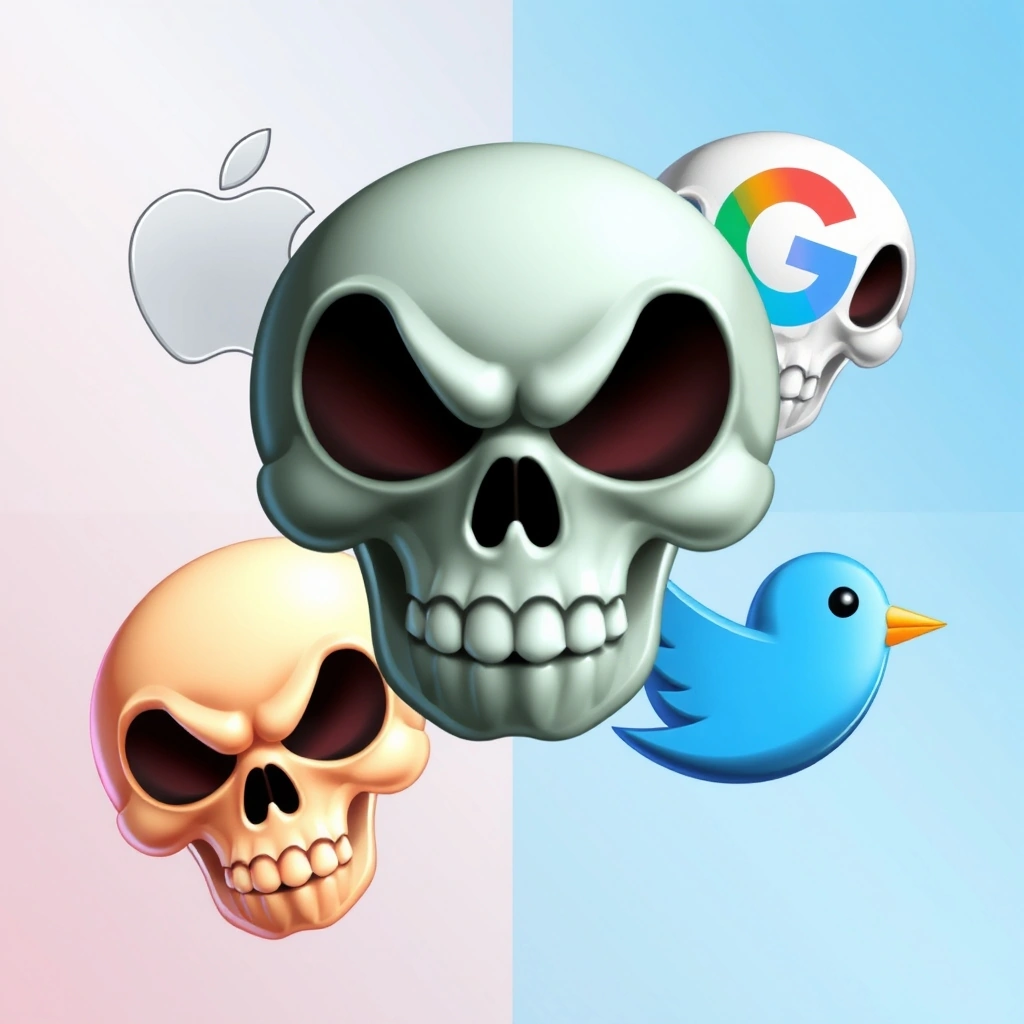
Consider the humble skull emoji. Once a straightforward symbol of death or danger, it has been utterly transformed in many online spaces. Now, it's often shorthand for "I'm dead" from laughter, a marker of something being hilariously funny. This shift didn't happen because Apple or Google decreed it. It bubbled up from how people, particularly younger demographics, began using it on platforms like Twitter, TikTok, and Instagram. The platform itself became the petri dish for this new cultural context.
This is where the technical side quietly influences the cultural. An emoji might look slightly different on an iPhone versus an Android phone. A designer at one company might add more detail, while another opts for a flatter, simpler look. These visual differences, while seemingly minor, can subtly affect how an emoji is perceived and, eventually, how it is used. A more expressive face might lend itself to sarcasm, while a plainer one feels more sincere.
The Platform as a Playground
Different social media platforms cultivate different emoji dialects. What trends on TikTok might take months to seep into the lexicon of LinkedIn, if it ever does. The crying-laughing face might reign supreme in a casual WhatsApp group, but on a professional Slack channel, the clapping hands or thumbs-up might be the safer, more common currency.
Platforms also introduce their own unique stamps on emoji culture. The ability to react with specific emojis on Facebook or LinkedIn creates a new layer of low-effort communication. A ❤️ reaction carries a different weight than a 👍, and communities quickly learn the unspoken rules of which to use and when. This secret language of emojis is constantly in flux, traveling and morphing as it crosses digital borders.
When Meaning Diverges
Sometimes, this evolution leads to genuine cross-cultural or cross-generational confusion. The folded hands emoji is a classic example. For many, it reads as "prayer" or "please." In other contexts, especially derived from Japanese digital culture, it's used as a symbol for "thank you" or even a high-five. There's no right or wrong answer here—only context. The meaning is negotiated in the moment between sender and receiver, influenced by their shared history and the platform they're on.
This fluidity is actually emojis' greatest strength. It allows them to stay relevant. As our world changes, as new slang emerges and new social concepts take hold, emojis are there, ready to be bent and shaped to fit our new realities. They are a rare form of language that is standardized in code but delightfully anarchic in practice.
So, the next time you go to use an emoji, remember: you're not just selecting a cute picture. You're participating in a vast, ongoing, and deeply human project of meaning-making. You're adding your voice to how that symbol lives and breathes in our digital world. It’s a fascinating reminder that our tools for connection are as dynamic as we are. For more thoughts on how these digital symbols mirror our changing world, explore our other articles on emoji culture and trends.
📒 Related Blogs
More...The Quiet Power of Emojis: Boosting Confidence in Subtle Conversations
Emojis & Identity: How Digital Expressions Shape Who We Are Online
How Viral Moments Rewrite Our Emoji Language
The Quiet Comfort of Emojis: How a Tiny Icon Eases Our Awkward Pauses
The Effortless Magic of Emojis: Adding Personality to Your Chats in a Heartbeat
Decode Emojis: Uncover Hidden Meanings & Secret Emoji Language