The Secret Language of Emojis: How Our Digital Moods Travel Across Platforms

Mar 12,2026
Have you ever sent a crying-laughing emoji and wondered if your friend on a different app understood it the same way? It’s a small moment, but it speaks to a bigger truth: emojis are more than just cute pictures. They’re living pieces of our cultural mood, and they change their outfit depending on which digital neighborhood they’re visiting.
Think about the simple skull emoji 💀. For years, it was just… a skull. Maybe for pirates or Halloween. But hop over to Twitter or TikTok, and it transformed. It became the universal symbol for “I’m dying of laughter” or “this is so absurd it killed me.” Its meaning wasn’t dictated by a dictionary, but by a collective, unspoken agreement among millions of users. That’s cultural mood in action—a shared feeling finding its perfect, silent avatar.
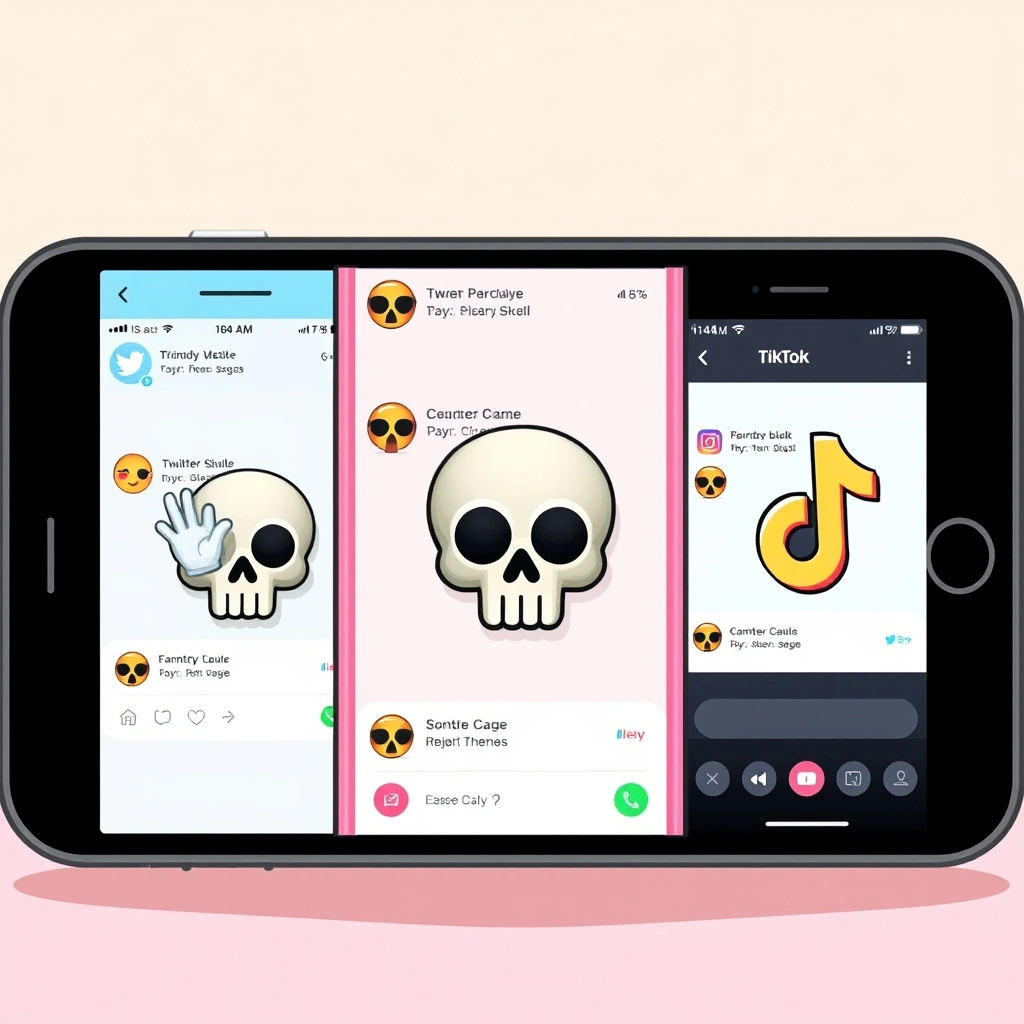
This evolution doesn’t happen in a vacuum. Each social platform is like a distinct country with its own customs. The frantic, text-based world of Twitter (now X) gave us emojis as rapid-fire reaction tools and layered sarcasm. The visually-driven, music-heavy landscape of TikTok, however, turns emojis into visual punchlines and emotional shorthand within seconds-long videos. The same emoji can feel urgent on one platform and playful on another.
This platform-specific dialect is fascinating. You can often guess where someone spends their time online by their emoji choices. The way certain communities adopt and reshape an emoji’s meaning is a perfect example of how online trends supercharge our digital language. A niche joke on a subreddit can, in weeks, elevate a once-obscure emoji to mainstream status.
But it goes deeper than platforms. Even within the same app, emojis can mean different things to different groups. The folded hands emoji 🙏 might be a sincere prayer for one person, a “thank you” for another, or a high-five request in a gaming chat. The context—who is sending it, and to whom—is everything. This fluidity is their strength. They’re not rigid symbols; they’re flexible containers for human emotion, waiting to be filled by the relationship and the moment.
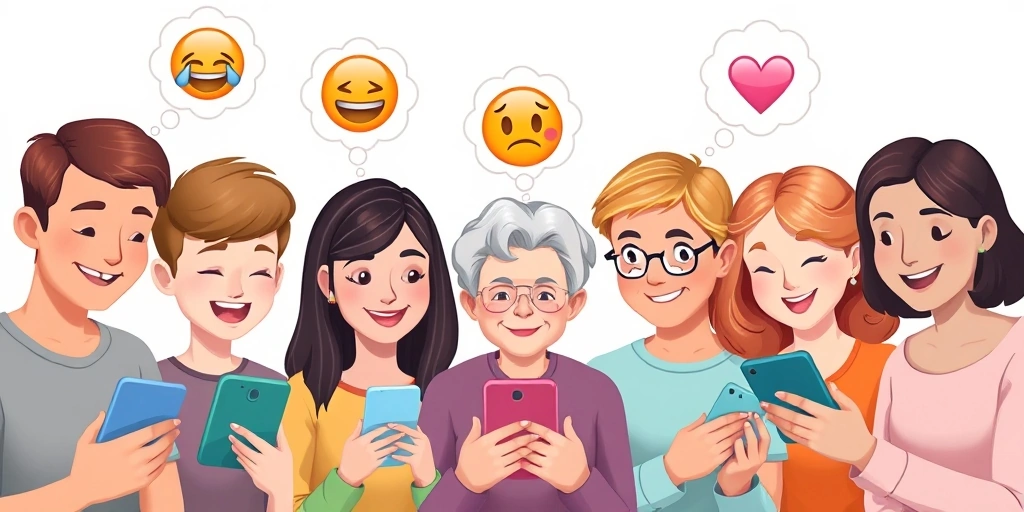
Generations play a huge role, too. The emojis a Gen Z user leans on to express exhaustion or irony might completely baffle a Baby Boomer. This isn’t a gap; it’s a natural evolution of language. Younger users, native to visual digital communication, are the primary drivers of new emoji semantics. They create the codes that often later trickle up. Exploring the generational emoji code reveals how much our age influences the icons we choose to represent our feelings.
So, what does this all mean for how we communicate? It means we’re all participating in a massive, global, and wonderfully messy experiment in non-verbal language. We’re collectively deciding that a melting face 🫠 perfectly captures modern overwhelm, or that a pleading face 🥺 can soften a request. These choices ripple out from private messages to public posts, solidifying into new norms.
This constant churn of meaning is what keeps emojis feeling alive. They resist being pinned down. Just when you think you’ve got the “rules” figured out, a new platform emerges, or a new community repurposes an old favorite. They capture cultural moods—anxiety, joy, sarcasm, solidarity—by being willing to change with them. They are the most honest reflection we have of how it feels to talk to each other right now, in this strange and connected digital age. For more on how these tiny icons shape and are shaped by the world around us, you can always dive deeper into topics on emoji culture and trends.
In the end, the journey of an emoji from one app to another is a journey of us. It’s a story about how we try to bridge gaps, express the inexpressible, and build little pockets of shared understanding, one tiny, colorful icon at a time.
📒 Related Blogs
More...How Emojis Save Your Team Chat from Chaos on Crazy Busy Days
The Slow Dance of Emojis: How They Quietly Reshape Our Long Conversations
The Art of the Quick Reply: How Emojis Effortlessly Elevate Our Daily Chats
The Art of the Soft Landing: How Emojis Make Tough Feedback Feel Human
The Gentle Art of the Quick Reply: How Emojis Soften Brief Messages in Group Chats