The Generational Emoji Code: What Your Favorite Icons Say About How You Connect

Mar 11,2026
Think about the last text you sent. Chances are, it contained an emoji. These little pictures have become the punctuation of our digital age, but if you look closer, they’re more than just decoration. They’re subtle signals, quietly broadcasting which generational camp we belong to and how we’ve learned to navigate conversation online.
It’s not just about which emoji you use, but how you use it. The repetition, the context, the specific combinations—these habits form a kind of linguistic fingerprint. A Millennial might use a string of heart emojis to express genuine warmth, while a Gen Zer might deploy the same hearts ironically, or opt for a more obscure, meme-derived icon to convey a similar sentiment. The tool is the same, but the dialect is different.
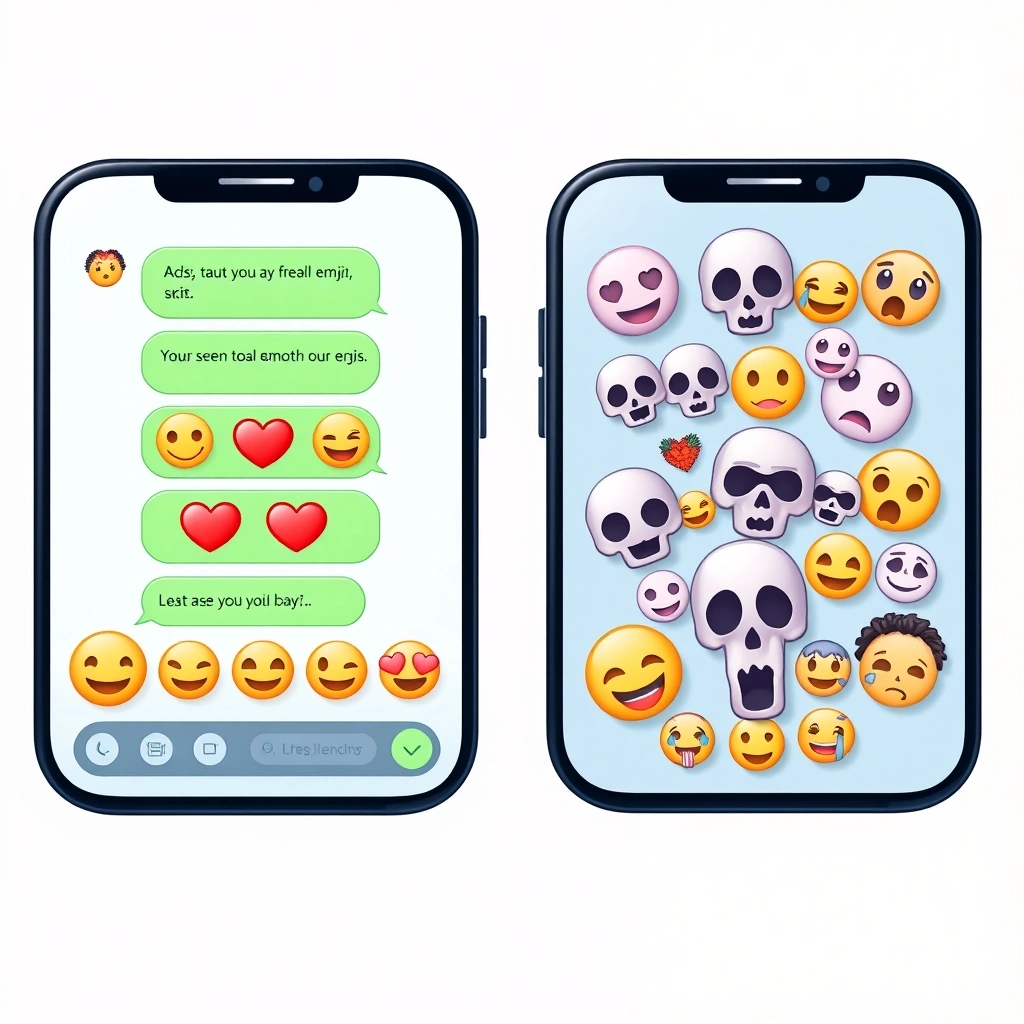
This divergence often comes down to adoption. Older generations, who came to smartphones and social platforms as established tools, tend to use emojis as direct, functional replacements for facial expressions and tone. A smiley means "I'm happy." A thumbs-up means "okay." The meaning is often close to the dictionary definition, a digital extension of the emoticons :) and ;) they used on early chat platforms.
Younger generations, native to a world saturated with visual language, use emojis with more layers. For them, emojis are less about literal translation and more about cultural coding. An emoji can reference an entire meme, express a nuanced emotional state that lacks a simple word, or signal membership in a specific online community. The meaning isn't just in the icon; it's in the shared understanding of its subtext. You can read more about this evolving visual vocabulary in our piece on the secret language of emojis.
The Rhythm of Repetition
One of the clearest generational tells is in repetition. Look at a message that ends with "Thank you!!! 😊😊😊". The triple exclamation points paired with repeated smileys often signal a Millennial or Gen X communicator, emphasizing earnestness and enthusiasm.
Contrast that with a Gen Z message: "ty. 🧍" or "omg no way 💀💀." The repetition here, if it happens, is often applied to more abstract or dramatic emojis (like the skull for laughing hard). It’s less about amplifying a positive emotion and more about intensifying a reaction or aligning with an internet-born aesthetic. A single, perfectly chosen emoji often carries more weight than a shower of them.
Platforms as Playgrounds
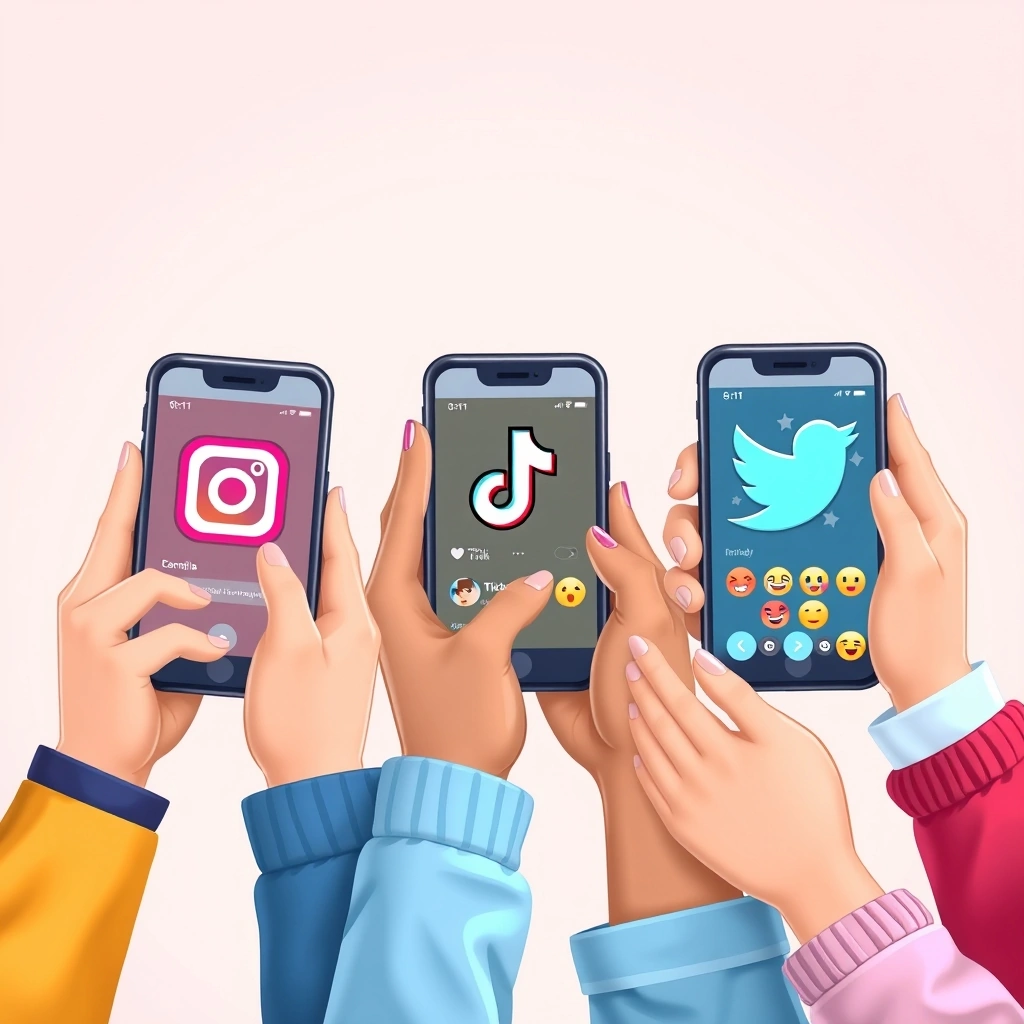
These habits are shaped and hardened by the social platforms we call home. Instagram’s caption culture, with its curated aesthetics, favors elegant or thematic emoji sets. Twitter’s fast-paced, text-heavy environment gave birth to the emoji as a swift reaction or a punchline tag. TikTok’s comment sections are a masterclass in Gen Z’s emoji dialect, where sequences tell stories and niche icons act as inside jokes.
Each platform develops its own micro-culture, and our emoji choices become a way to show we understand the local customs. Using a 💀 on LinkedIn would raise eyebrows, just as using a formal handshake emoji 🤝 in a TikTok comment might seem out of touch. We unconsciously adapt our visual language to fit in, a process that further entrenches generational styles. This adaptation is part of a larger story of how emojis change our digital voice.
So, what does this all mean for communication? It creates a fascinating, sometimes fraught, intersection. A well-meaning parent might send a 😂, thinking it conveys mild amusement, while their child reads it as an awkward, over-the-top laugh. A colleague from an older generation might use a 👍 as a simple acknowledgment, which a younger colleague could interpret as dismissive or passive-aggressive.
These minor misreadings are the growing pains of a language evolving in real-time. There’s no official rulebook. We learn by watching, by misstepping, and by slowly deciphering the codes of groups different from our own. The emojis we gravitate towards and repeat become comfortable habits, a shorthand for our shared experiences. Whether it's the resilient 😭 for "laughing crying" that bridges multiple age groups or the rise of the silent, dramatic 🧍, these icons map the contours of our digital relationships.
They remind us that communication is never just about the words. It's about the context we wrap them in. In the endless scroll of feeds and messages, emojis are the tiny flags we plant, saying, "This is how I feel," and, quietly, "This is who I am talking to." The conversation around this is always evolving, and you can find more thoughts like these in our emoji culture & trends section.
📒 Related Blogs
More...The Gentle Art of the Short Reply: How Emojis Add Warmth to Your Texts
Beyond Words: The Subtle Power of Emojis in Navigating Sensitive Conversations
Emoji Accessibility: Ensuring Inclusive Digital Communication for All
The Secret Power of Emojis: How Tiny Icons Shape How We See Each Other Online
The Silent Peacemakers: How Emojis Diffuse Tension in Your Private Chats
The Unspoken Rules: How Emojis Hint at What We Really Expect