The Secret Language of Emojis: How Tiny Icons Capture Our Collective Mood

Feb 16,2026
Think about the last time you scrolled through your messages or a social media feed. Chances are, it wasn't just words you saw. Sprinkled between the text were little bursts of color and expression—emojis. But they're doing far more than just adding flair. Without us even realizing it, these tiny icons have become one of the most honest mirrors of our cultural mood.
They shift and evolve not because a committee decides, but because millions of people collectively start using them in new ways. A single emoji can become a capsule for a shared experience, a inside joke, or a moment of collective grief or joy that spans the globe.
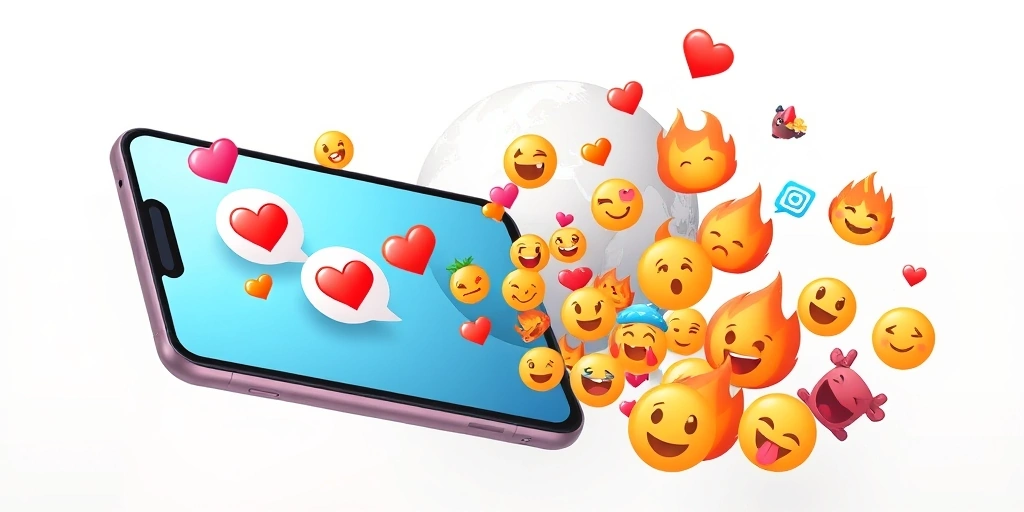
Consider how quickly a new emoji gets adopted. It often starts in niche corners of the internet—a specific fandom, a viral TikTok trend, a meme format. From there, it seeps into the mainstream, carrying with it the emotional context of its origin. The emoji itself doesn't change, but the weight of meaning we attach to it does. It becomes shorthand for a complex feeling or situation that everyone in the know immediately understands. This is how culture moves online: not in essays, but in symbols.
This phenomenon is deeply explored in our look at how emojis grow up with us within our favorite communities. The life of an emoji is a story of shared experience.
Emojis as Emotional Weather Vanes
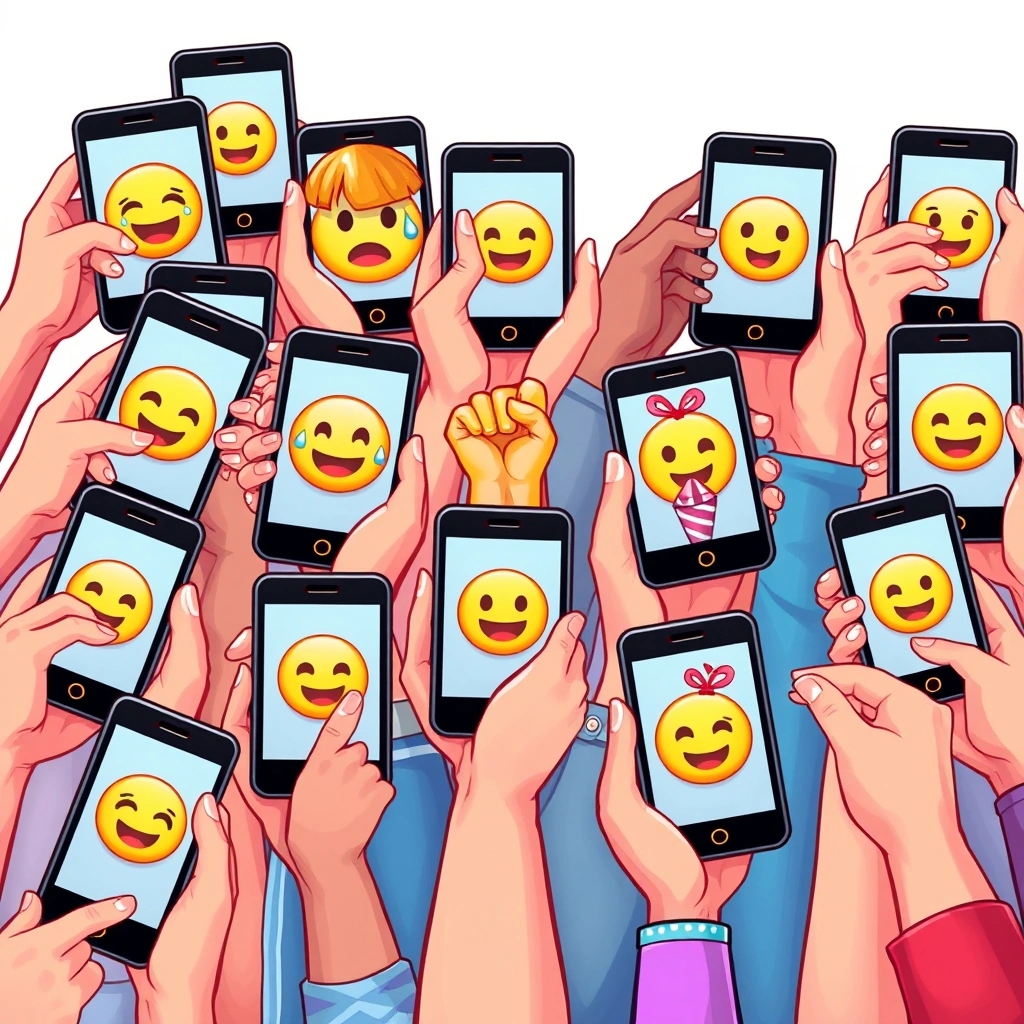
You can often get a sense of the day's collective vibe just by seeing which emojis are trending. A day of major sports victory might be painted with trophy and fire emojis. A period of social unrest might see raised fists and heavy hearts dominate. They act as a low-friction way to participate in a public feeling, to say "I see this too" or "I feel this also" without having to find the perfect words.
This isn't about being lazy with language. It's about efficiency and resonance. A crying face emoji can convey a spectrum from "I'm so touched" to "This is hilariously bad" to genuine sadness, with the surrounding context doing the fine-tuning. We've developed an intuitive grammar for this, and it allows us to communicate emotional nuance at the speed of a click.
The Speed of Symbolic Change
What's fascinating is the velocity of this symbolic evolution. Before the digital age, cultural symbols could take years or decades to shift meaning. Now, an emoji's meaning can pivot in a matter of weeks during a viral moment. A fruit or animal emoji can be completely redefined by a popular song, a political event, or a celebrity tweet. Its original design intent becomes almost irrelevant, overwritten by the collective will of users.
This rapid repurposing is a testament to our creativity and our need to find new ways to connect. For a deeper dive into this accelerated evolution, the story of how viral moments rewrite our emoji language highlights just how dynamic this process is.
This constant, user-driven evolution means our digital emotional palette is always expanding. We're not stuck with the feelings the original emoji set prescribed. We invent new ones, collectively. A community grieving together might adopt a specific flower emoji as a symbol of remembrance. A group of fans might use a combination of a star and a book to represent their favorite franchise. These meanings are organic, fragile, and powerful.
So, the next time you tap on an emoji, pause for a second. You're not just picking a cute picture. You're tapping into a vast, living system of shared meaning. You're using a tool that has been shaped by the laughter, frustration, solidarity, and love of millions of people before you. You're participating in the quiet, ongoing project of mapping the human emotional experience onto our digital spaces, one tiny, colorful icon at a time. It's a language that is written by everyone, every day.
To explore more about the intersection of emojis and the culture they spring from, check out our wider collection of thoughts on emoji culture and trends.
📒 Related Blogs
More...The Emoji Effect: How Our Digital Expressions Are Always Changing
The Quiet Nod: How Emojis Acknowledge Messages in Our Daily Chats
Beat Deadline Stress: How Emojis Smooth Out Professional Chats Under Pressure
The Secret Shortcut: How Emojis Help Our Brains Communicate Faster
The Quiet Comfort of Emojis: How a Simple Icon Says 'I'm Here'