How Emojis Keep the Vibe Friendly in Your Group Chat

Mar 10,2026
The Unspoken Rules of the Group Chat
You know the feeling. You're typing away in your friend group chat, sharing a story or making a joke. For a split second, you hesitate. Will they get it? Will it land wrong? Then, you tap the laughing-crying face or the little heart, hit send, and instantly, the message feels... safer. Friendlier. More you. This isn't an accident. In the fast-paced, text-only world of our daily messages, emojis have become our essential tone-setters.
Without the cues of voice inflection or body language, our words can feel flat, or worse, be completely misinterpreted. A simple "okay" can read as passive-aggressive. A sarcastic comment can be taken at face value. This is where emojis step in, acting as a social lubricant. They don't just add emotion; they clarify intent, ensuring the vibe of your shared digital space stays positive and connected.
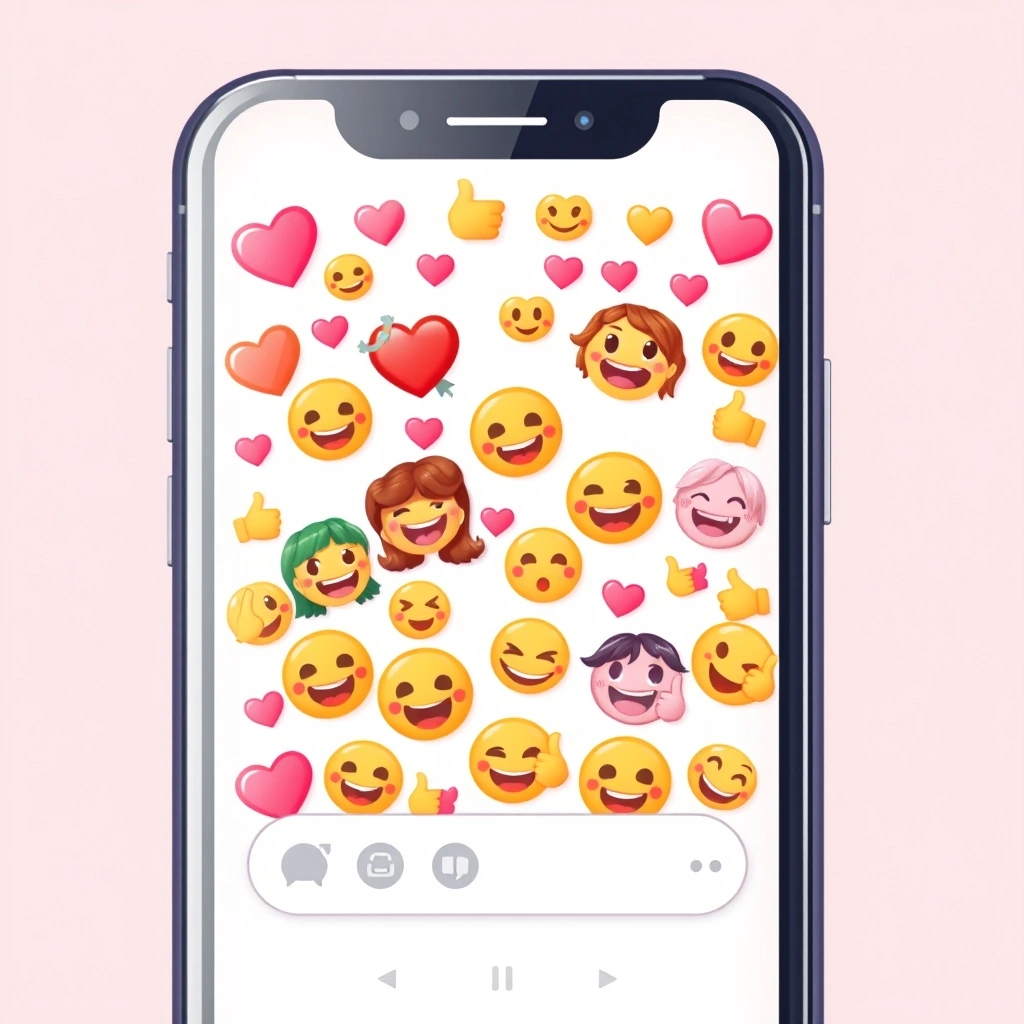
More Than Decoration: Emojis as Emotional Shortcuts
Think about the last time you used a heart emoji in the group chat. It wasn't just about liking a photo of someone's lunch. It was a micro-gesture of support, a way of saying "I see you" or "I'm here for you" without having to spell it out. A thumbs-up can efficiently signal agreement in a planning thread, keeping the conversation flowing without a dozen "yes" messages. The rolling-on-the-floor-laughing emoji does the heavy lifting of confirming something is hilarious, encouraging more shared laughter.
These tiny icons are powerful emotional shortcuts. They allow us to communicate complex social feedback—agreement, empathy, celebration, sympathy—with a single tap. This efficiency is key in busy group chats where conversations move quickly. It keeps the interaction light, warm, and incredibly human. For more on how these silent signals shape our day, you might enjoy this look at emojis in everyday conversation.
Defusing Tension and Building Bridges
Perhaps the most magical function of emojis in friend groups is their ability to soften edges. We've all been there: you need to cancel plans last minute, or you have to deliver a bit of mildly annoying news to the group. Text alone can make it sound harsh.
Adding a pleading face or a grimacing emoji completely changes the tone. It visually conveys your regret or awkwardness, showing your friends you're not being flippant—you're genuinely bummed out too. It preemptively acknowledges the social friction and says, "We're still good." Similarly, a well-placed wink after a teasing comment ensures everyone is in on the joke. It's a digital nudge that says, "Just kidding!"
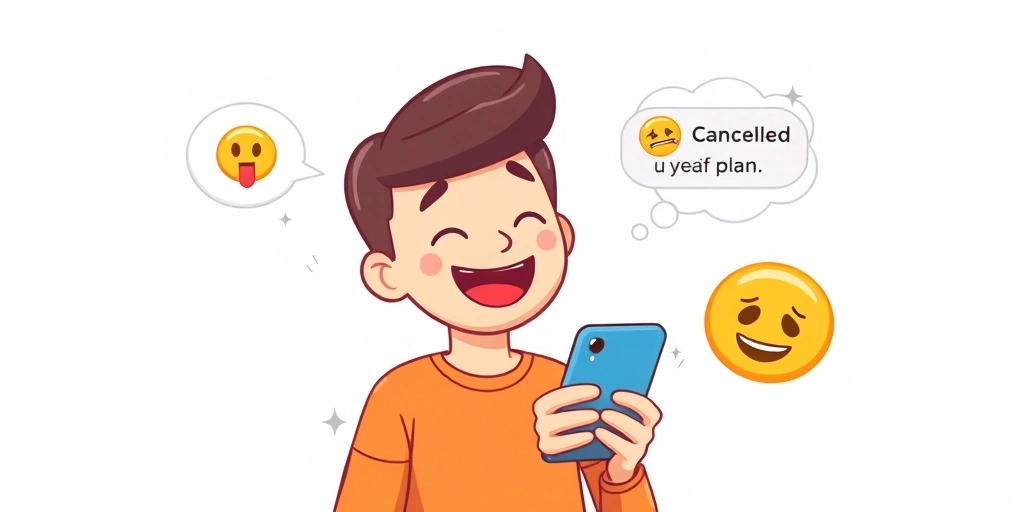
This subtle diplomacy prevents misunderstandings from festering. It maintains the underlying foundation of care and respect, even when logistics get messy or jokes are flying. The group chat remains a safe space because these visual cues constantly reinforce the bonds of friendship.
Creating Your Group's Unique Language
Over time, friend groups often develop their own emoji lexicon. Maybe the fire emoji is reserved only for truly spectacular news. Perhaps the peach has a specific, silly meaning known only to your crew. This inside language, built on shared history and jokes, is incredibly bonding.
Using these "group-specific" emojis becomes a way of reinforcing your collective identity. It's a nod to your shared experiences, a reminder of the private world you've built together inside your phones. This layer of meaning makes communication not just clear, but rich and deeply personal. It turns a simple message into an inside joke, a memory, or a secret handshake.
Of course, keeping that group chat vibe alive is an ongoing practice. If you're curious about more ways to nurture that digital friendship space, this article has some great insights.
The Simple Joy of Being Understood
At the end of the day, that's what we're all looking for in our friendships—to be seen and understood. In the context of our constant, fragmented digital conversations, emojis provide that clarity and connection. They fill the emotional gaps left by plain text.
So the next time you're about to send a message to your friends, take that extra second to choose an emoji. That smiling face, that heart, that silly dancing lady aren't just frivolous add-ons. They're the glue. They're the shared smile across the miles, the virtual pat on the back, the collective eye-roll at a bad day. They are, in practice, how we keep things unmistakably friendly.
📒 Related Blogs
More...When Your Friendly Emoji Sparks a Public Meltdown
Beyond Text: How Emojis Shape Your Digital Identity Online
The Emoji Effect: How Icons Shape Public Reactions Across Social Platforms
The Gentle Art of the Emoji: How a Simple Symbol Can Soften a Short Text
The Mind's Shortcut: How Emojis Speed Up Our Digital Understanding
The Secret Sauce of Social Messaging: How Emojis Keep Conversations Fun and Light