The Hidden Power of Emojis: How a Simple Icon Can Change Everything

Feb 13,2026
Think about the last text you sent. Was it just words? Chances are, you added an emoji. Maybe it was a simple smiley face 😊, a laughing-crying emoji 😂, or even just a thumbs up 👍. We sprinkle these little icons into our messages almost without thinking. But have you ever stopped to consider their real power? Often, emojis shape how messages are interpreted in digital discussions, acting as a crucial layer of meaning that plain text simply can't convey.
Words on a screen are famously flat. They lack the vocal inflection, the facial expressions, and the body language that fill our in-person conversations with nuance. This is where emojis step in. They are the digital world's substitute for tone of voice. A message like "Sure, that's fine" could be read as agreeable, sarcastic, or even resentful. Add a heart ❤️, and it's warm and genuine. Add an eye-roll 🙄, and the meaning flips completely. The words haven't changed, but the entire emotional landscape of the message has.
From Clarity to Catastrophe: The Emoji as Clarifier
Most of the time, we use emojis to provide friendly, positive context. They soften requests ("Can you take out the trash? 🙏"), express gratitude ("Thank you so much! 🥰"), and show we're joking ("You're the worst 😜"). This function is so vital for maintaining healthy digital relationships. Without these cues, our chats would be a minefield of potential misunderstandings. A dry, text-only comment can easily be misread as cold or angry, even when the sender had no such intention. The emoji acts as a safety net, ensuring our intended warmth or humor lands correctly.
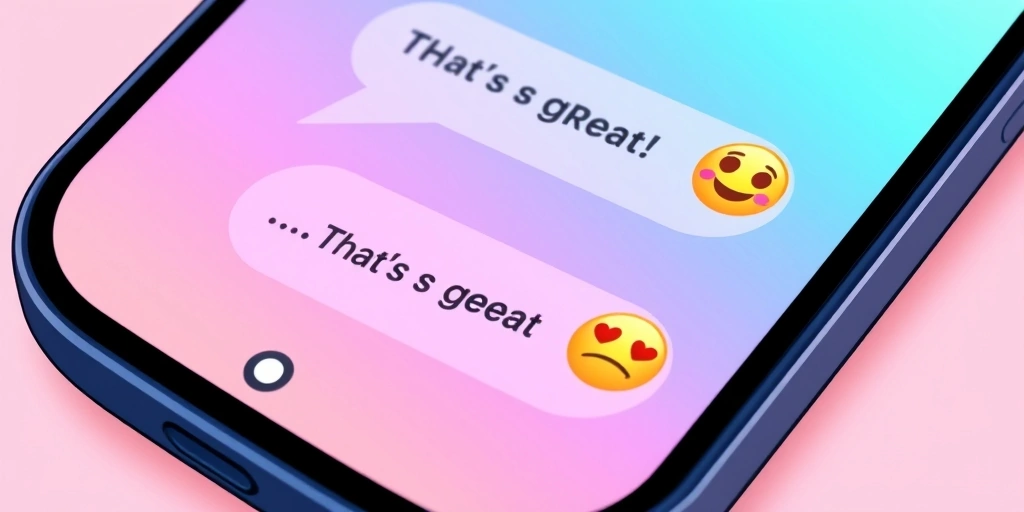
This clarifying role is especially important in fast-paced, informal chats where we don't have time to craft perfectly unambiguous sentences. In these spaces, emojis shape intent with incredible speed, delivering emotional context in an instant. A quick "ok 🫡" conveys respectful acknowledgment, while "ok 😒" tells a completely different story. The efficiency of this emotional shorthand is what makes modern digital conversation flow so naturally.
When Emojis Create the Unspoken Rhythm
Beyond clarifying single messages, emojis help build the rhythm and rapport of an ongoing conversation. Think of a chat with a close friend. The back-and-forth isn't just information exchange; it's an emotional dance. A well-placed emoji can signal you're listening (👂), that you find something hilarious (🤣), or that you're sharing in someone's frustration (😤). This creates a sense of mutual understanding and shared experience, even through a screen.
This rhythmic function is a fascinating aspect of how we connect digitally. They become part of the unspoken rhythm of our digital chats, a visual beat that keeps the conversation feeling alive and engaged. A string of messages without any emojis can start to feel transactional or distant, while a conversation peppered with relevant icons feels more dynamic and personally connected.
The Delicate Balance: Not All Emojis Are Universal
Of course, this power comes with responsibility. Because emojis are so interpretative, their meaning isn't always set in stone. What feels like a friendly gesture to you (like the classic smiley 😀) might read as insincere or even passive-aggressive to someone else, depending on context, age, or cultural background. The infamous grimacing face 😬, for instance, can mean awkwardness, nervous laughter, or mild disapproval. Using an emoji the recipient doesn't understand can create confusion just as easily as using no emoji at all.
This is why it's helpful to think of emojis not as a precise language, but as emotional suggestions. They nudge the reader toward a certain feeling. Their effectiveness depends on a shared, if sometimes unspoken, understanding between the people in the conversation. With close friends or family where you have established communication patterns, the meaning is usually clear. In more formal or new relationships, it's often safer to stick with the most universally understood icons or use words to clarify your tone if something feels ambiguous.
Ultimately, emojis are a testament to our human need for emotional connection. In a medium that strips away so much of our natural expressiveness, we've collectively invented a vibrant, visual way to put the feeling back in. They are more than just cute decorations; they are essential tools for navigating the subtle, nuanced world of human interaction, now translated into pixels and code. The next time you tap that little icon, remember—you're not just sending a picture. You're setting the tone for the entire conversation.
To explore more about the fascinating role of emojis in how we talk to each other online, check out our other articles on emoji and communication.
📒 Related Blogs
More...The Unspoken Language: How Emojis Became Our Go-To Quick Reply
The Quiet Comfort of Emojis: How Tiny Icons Are Replacing Small Talk
The Slow Burn: How Emojis Quietly Change Their Meaning in Your Group Chats
From Emoticons to Icons: The Fascinating Evolution of Emojis and Digital Expression
Why Emojis Are Your Secret Weapon for Smoother Status Updates and Happier Team Chats
The Exciting Future of Emojis: New Characters, Animation, and AR Integration