The Missing Piece: How Emojis Make Your Texts Feel Complete

Mar 04,2026
Have you ever typed out a message, hit send, and immediately felt like something was missing? The words were right, but the feeling was… incomplete. It’s a common experience in our text-based world. We’re having full conversations without tone of voice, facial expressions, or body language. That’s where emojis come in. They aren’t just cute decorations; they’re the modern-day equivalent of a smile, a nod, or a reassuring pat on the back. They help a message feel finished.
Think about it. A simple "Okay" can feel cold or even annoyed. But "Okay 😊" or "Okay 👍" carries a totally different energy. That tiny digital icon does the heavy lifting of conveying your intent. It wraps up your thought with a neat little bow, telling the recipient exactly how you mean it. Without it, the other person is left to guess, and in texting, guesses often lean toward the negative.
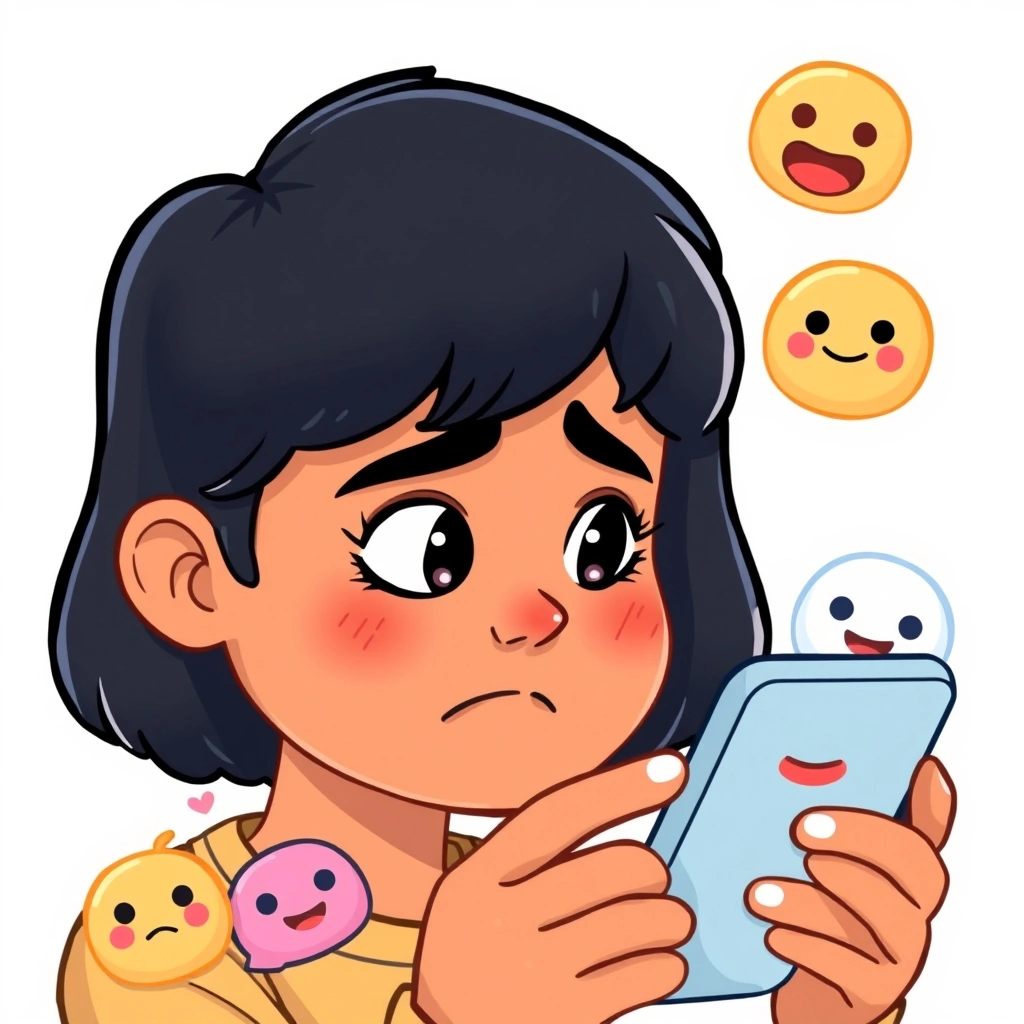
Why Plain Text Often Falls Short
Written language is incredible, but it was built for letters and literature, not for the rapid-fire, emotional exchange of a chat window. When we talk face-to-face, so much meaning is carried in the non-verbal cues. A raised eyebrow, a softening of the voice, a genuine smile—these elements provide context and emotional closure to what we say. In text, all of that richness is stripped away, leaving behind bare bones that can feel stark and ambiguous.
This ambiguity is why misunderstandings happen so easily over text. A sarcastic joke falls flat. A simple statement is read as passive-aggressive. We end up sending follow-up messages like "No, I meant that in a good way!" or worse, getting into unnecessary conflicts. Emojis act as a safety net against this. They provide that missing layer of non-verbal communication, helping to seal your message with its intended emotional tone. For more on navigating fast-paced chats, you might find this guide on lighter conversations really helpful.
The Power of the Period (And Why We Avoid It)
Linguists and internet culture watchers have noted something fascinating: the humble period has become charged with meaning in texting. For many, especially younger generations, ending a sentence with a period in a casual chat can make it feel formal, serious, or even angry. "Sure." feels very different from "Sure!" or "Sure 😄".
We instinctively seek softer, more open ways to end our thoughts. An emoji is the perfect tool for this. It replaces the hard stop of a period with an emotional resolution. It doesn’t just end the sentence; it concludes the sentiment. A heart, a laughing face, a thumbs-up—these symbols signal "conversation thread closed on a positive note."
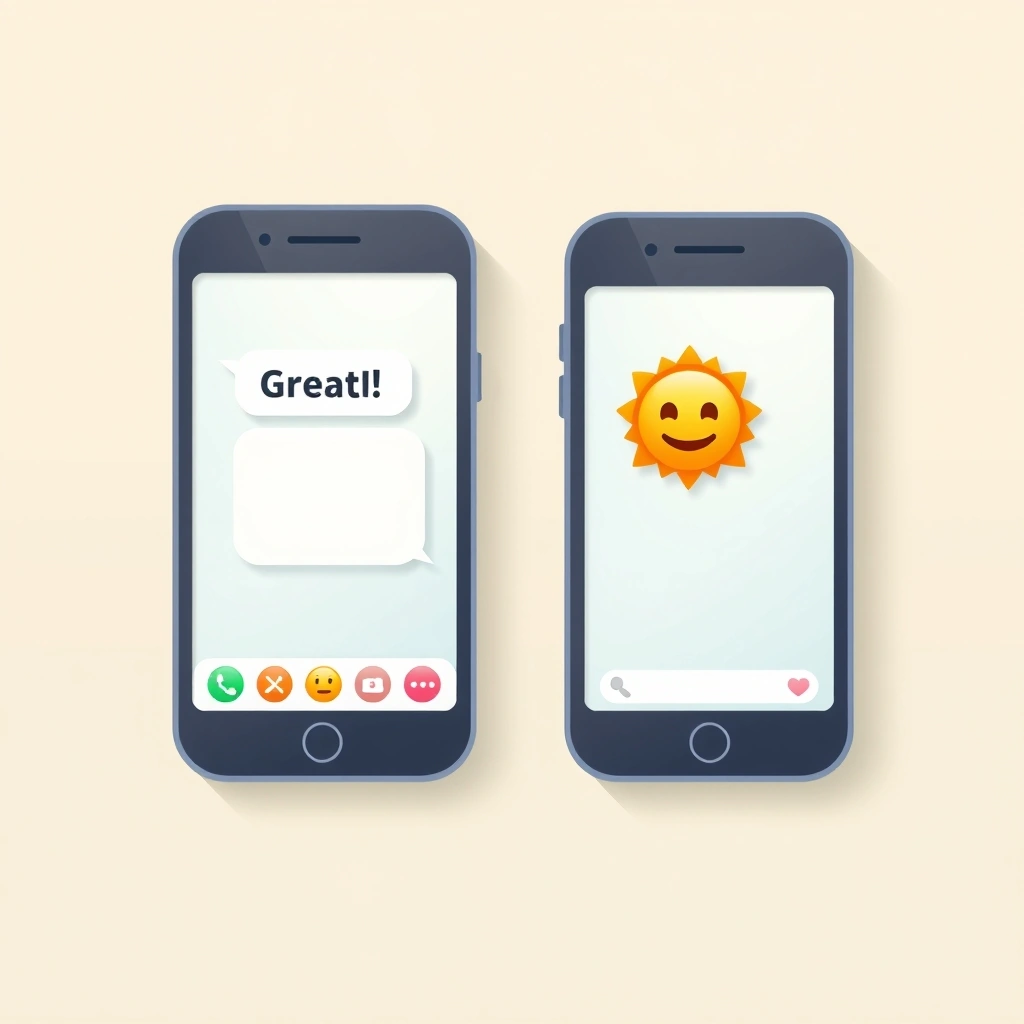
Emojis as Conversational Punctuation
Think of emojis as a new form of emotional punctuation. A question mark asks something. An exclamation point shows excitement. An emoji tells you *how* to feel about what was just said. It’s the difference between "I got the job" and "I got the job! 🎉🙌" The first states a fact. The second shares a celebration and invites the other person to celebrate with you. The emojis complete the emotional transaction.
This is especially crucial for short replies. A one-word answer like "Thanks" or "Yep" can feel dismissive. But "Thanks! 🙏" or "Yep! 😁" feels warm and engaged. It shows you’re not just answering to end the chat, but that you’re participating in it with a positive spirit. If you're curious about softening those short replies, exploring the magic of a single emoji can make a big difference.
It’s About Connection, Not Rules
The goal here isn’t to create a strict rulebook. You don’t *have* to end every message with an emoji. The point is to recognize the power these little symbols have to create closure and connection. They bridge the gap between what we type and what we mean. They take a message from being a mere transmission of information to being a complete piece of communication.
So next time you’re about to send a text, pause for a second. Read it back. Does it feel finished? Does it convey your tone? If something feels like it’s hanging, a well-chosen emoji might be just the thing to land your message perfectly. It’s the digital smile as you walk away from the conversation, ensuring the other person feels the warmth and intent behind your words.
For more insights on using emojis effectively in your daily chats, check out our other emoji guides and how-tos. Happy texting!
📒 Related Blogs
More...The Hidden Power of Emojis: How a Tiny Icon Can Change Your Message's Meaning
Emoji Power: How They Erase Digital Doubt & Build Stronger Bonds Online
How a Simple Emoji Can Save You From Awkward Digital Silence
Why Emojis Are Your Secret Weapon for Smoother Status Updates and Happier Team Chats
When Words Fail: How Emojis Bridge Awkward Silences
Emoji Etiquette: Navigating Professional Communications with Emojis