The Hidden Power of Emojis: How a Tiny Icon Can Change Your Message's Meaning

Feb 10,2026
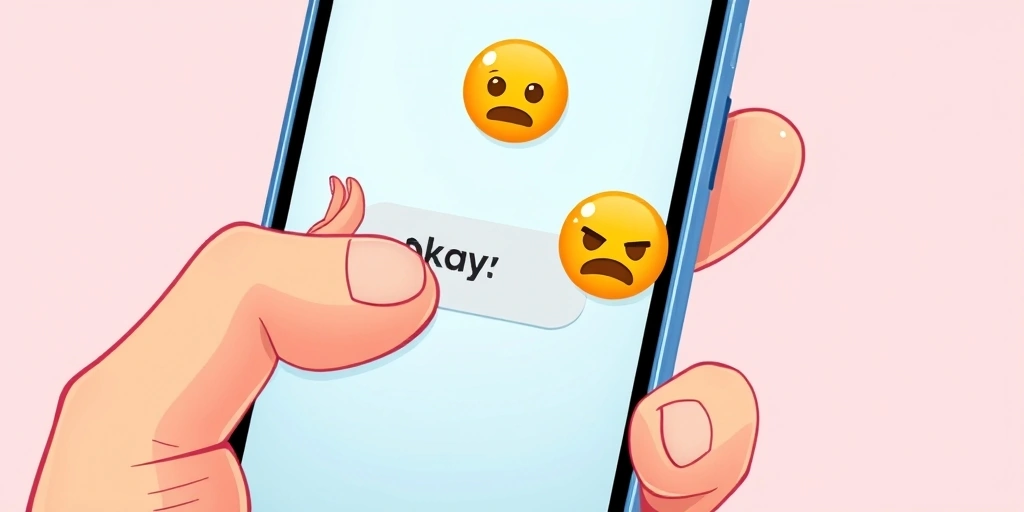
Think about the last time you sent a simple "okay" in a text. Did you send it alone? Or did you add a thumbs up, a smiling face, or maybe even a simple period? That tiny choice, more than the word itself, likely shaped how the person on the other end felt about your response. In a world where we communicate more through screens than face-to-face, emojis have become our secret weapon for clarity. They're not just fun decorations; they're the body language of the digital age.
Without the raised eyebrow, the gentle smile, or the sarcastic tone of voice, our plain text is a blank slate. It's incredibly easy for the reader to project their own mood or assumptions onto it. A message like "Fine" can be read as genuinely agreeable, passively aggressive, or utterly defeated—all depending on the context and, crucially, the presence or absence of an emoji.
From Ambiguity to Certainty
This is where emojis perform their most vital function: they reduce ambiguity. When you end a suggestion with a winking face 😉, it signals playfulness. A heart ❤️ after a "thank you" adds a layer of genuine warmth that the words alone might lack. They act as punctuation on steroids, guiding the emotional interpretation of your sentence. A study from the University of Vermont even suggested that emojis serve a similar social function to gestures in physical conversation, helping to smooth interactions and build rapport.
Consider the difference between "That's great." and "That's great! 😊" The first could be sincere, but it could also be dry or sarcastic. The second is unambiguously positive. The emoji locks in the intent, leaving little room for misinterpretation. In professional settings, this can be the difference between a comment that lands as constructive feedback and one that feels like a harsh critique.
The Double-Edged Sword of Tone
Of course, this power comes with responsibility. Because emojis carry so much weight, choosing the wrong one can distort your message entirely. The classic example is the grimacing face 😬. Is it a sign of awkward empathy? Or is it a judgment of something cringe-worthy? Its meaning is highly context-dependent. Similarly, the rolling eyes emoji 🙄 can instantly turn a neutral statement into a sarcastic barb.
This is why understanding the subtle, often generational or cultural, nuances of emojis is so important. What feels like a friendly gesture to you might read as overly familiar or even insincere to someone else. The key is to think of emojis as you would your facial expressions—tailored to your relationship with the recipient and the message you truly want to convey.
Building Bridges in Text
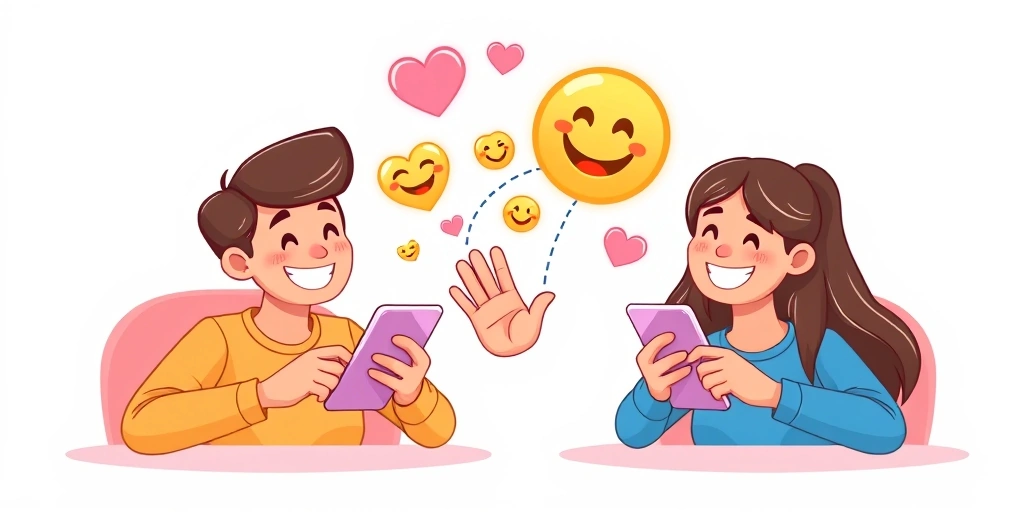
Beyond clarifying single messages, emojis help build and maintain the emotional fabric of a longer conversation. In a slow-burning chat over days or weeks, like those discussed in this exploration of long conversations, a well-placed emoji can keep the connection alive. It's a way of saying, "I'm still here, and I'm still engaged in this with you," without having to spell it out.
They can also soften requests or difficult news. "Can you get this done by tomorrow? 🙏" feels less like a demand and more like a collaborative ask. "I'm running late, sorry! 🏃♀️💨" adds a touch of lightheartedness to an apology. In essence, emojis inject humanity into the sometimes sterile medium of typed text. They allow us to be more fully ourselves—kind, silly, supportive, or empathetic—even when we're not in the same room.
As we continue to navigate relationships and work through our phones and computers, these small icons play an outsized role. They are the tools we use to ensure our intent isn't just sent, but is truly received. For more on how a single emoji can transform an interaction, check out this look at their secret life in slow chats.
So next time you're about to hit send, take a second. Does your text convey your full meaning? Would a simple smiley, a heart, or a thumbs up help bridge the gap between your thoughts and their understanding? That tiny icon might just be the most important word in your message.
📒 Related Blogs
More...Beyond Likes: How Emojis Revolutionize Social Media Engagement & Marketing
The Secret Ingredient to Playful Chats: How Emojis Turn Talk into a Game
The Future of Emojis: What New Icons & Features Can We Expect?
The Psychology Behind Emojis: Unlocking Our Digital Emotions
The Secret Language of Emojis: How a Tiny Smiley Face Changes Everything You Read