The Secret Language of Emoji Pairs: How Two Tiny Icons Change Everything You Say

Feb 27,2026
Think about your last text conversation. Chances are, you didn't just throw a single emoji at the end of a sentence. You probably used two. Maybe it was a thinking face followed by a lightbulb. Or a crying-laughing face paired with a heart. On the surface, it seems simple—just doubling up for emphasis. But if you look closer, you'll see a whole new layer of conversation happening. The meaning isn't just in the emojis themselves; it's in the tiny, silent gap between them.
This isn't about complex sequences or coded messages. It's about the everyday, almost instinctive way we use pairs to soften, sharpen, or completely redirect the tone of a message. A single emoji can be ambiguous. A pair starts to tell a story.
From Vague to Vivid: How Pairs Create Context
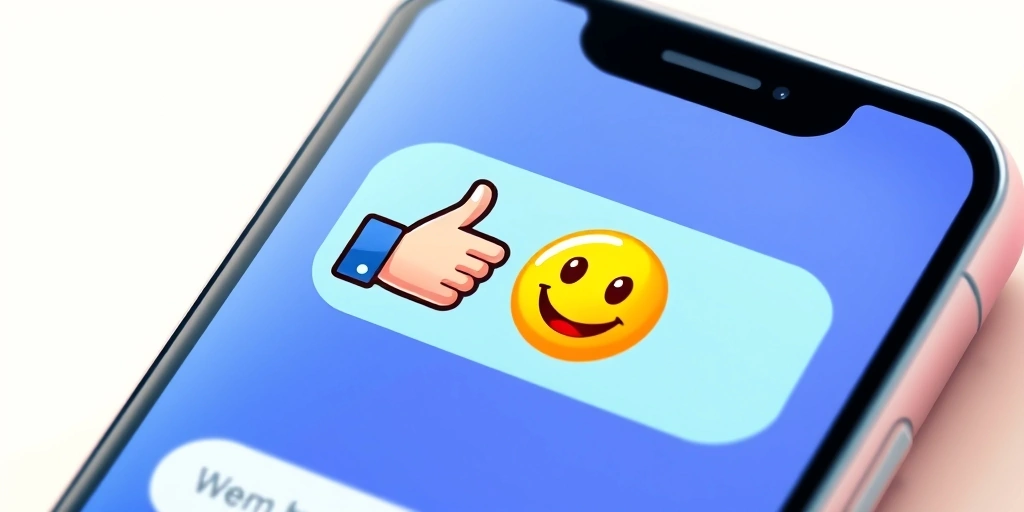
Let's take a classic: the thumbs up. By itself, it's fine. It's agreement, acknowledgment. It can also feel a bit cold or dismissive. Now, pair it with a smiling face. Suddenly, the agreement feels warm and genuine. The smile provides the emotional context the thumbs up was missing. The pair says, "Yes, and I'm happy about it."
The reverse is also powerful. A smiling face alone is friendly. Pair it with a sweat drop, and the friendliness is now undercut with nervousness, apology, or mild stress. You've taken a positive symbol and given it a relatable, human frailty. This is the magic of pairing—it allows for emotional complexity that words alone sometimes struggle to capture quickly. For more on how these combinations build entire hidden dialogues, check out this deeper dive into the conversational power of emojis.
Consider the pleading face. It's a request, a beg. On its own, it can feel a bit intense. But pair it with a heart? The intensity is now framed by affection. It's "please, but I love you." The heart changes the emotional stakes. It's no longer a demand; it's an earnest, loving ask. The pair creates a specific emotional blend that neither emoji could achieve alone.
The Subtle Art of the Tone Shift
Some of the most interesting pairs are the ones that don't just add, but transform. Take the fire emoji. It means something is awesome, hot, great. Pair it with the skull. Suddenly, the awesome thing was so funny it "killed" you. The meaning pivots from general excellence to specific, overwhelming humor. The second emoji acts as a interpreter for the first.
Another great example is the eyes emoji followed by the money bag. The eyes mean "looking at." The money bag specifies *what* you're looking at. Together, they create a specific meme-able sentiment of desire or ambition that's instantly recognizable. The pair becomes a shorthand for a whole concept.
This is where it gets really personal. We all develop our own micro-dialects. You might always follow a statement of exhaustion with a coffee cup, while your friend pairs their "good night" with a random planet or animal. These personal pairings become signatures. They're inside jokes with yourself, little rituals that add personality to the functional act of messaging. You can explore more about these personal and cultural sequences over on our emoji combinations blog page.
Why Two Feels More Human Than One
So why do pairs work so well? I think it's because they mimic how we communicate face-to-face. Our real conversations aren't monolithic blocks of single emotion. They're mixes. We say something sarcastic but with a warm smile. We deliver bad news with a sympathetic shrug. A single emoji is a single note. A pair is a chord—it has depth and resonance.
It also gives the receiver more to work with, reducing misunderstandings. That winking face you sent might be read as flirtatious. Pair it with a tongue-out face, and it leans more goofy. Pair it with a heart, and it's sweetly flirtatious. The second emoji narrows the field of interpretation, guiding your friend toward the exact shade of meaning you intended.
In a world where our digital tone is constantly being misread, these tiny, two-icon combos are a lifeline. They are our tools for nuance. We're not just decorating our texts; we're engineering their emotional frequency. The next time you go to tap that single emoji, pause. See if adding a second one feels more true to the messy, wonderful blend of feelings you're actually trying to send. The most interesting part of the conversation might just be happening in that little space between the icons.
📒 Related Blogs
More...The Global Language of Emojis: Decoding Cultural Meanings and Interpretations
The Fascinating Evolution of Emojis: From Simple Emoticons to Global Icons
The Unseen Beat: How Emojis Change the Rhythm of Your Everyday Chats
The Secret Life of Emojis in Slow Chats: How a Simple Icon Changes Everything
Beyond Words: How Emojis Enhance Emotional Expression in Digital Communication
The Quiet Nod in the Chat: How a Simple Emoji Says 'I See You' to Family